OAK BLUFFS GINGERBREAD COTTAGESI
What are the gingerbread cottages of Oak Bluffs?
How a Methodist camp meeting of tents became the fretwork-trimmed gingerbread cottages of Oak Bluffs.
The answer in fullII
Read on
From tents to cottages
Oak Bluffs began as a Methodist camp meeting, where worshipers gathered each summer in an oak grove called Wesleyan Grove to hold meetings under canvas tents. As families returned year after year, the tents were raised onto wooden platforms, and in time those platforms gave way to small wooden cottages built along narrow, curving lanes that still trace the camp's original paths.
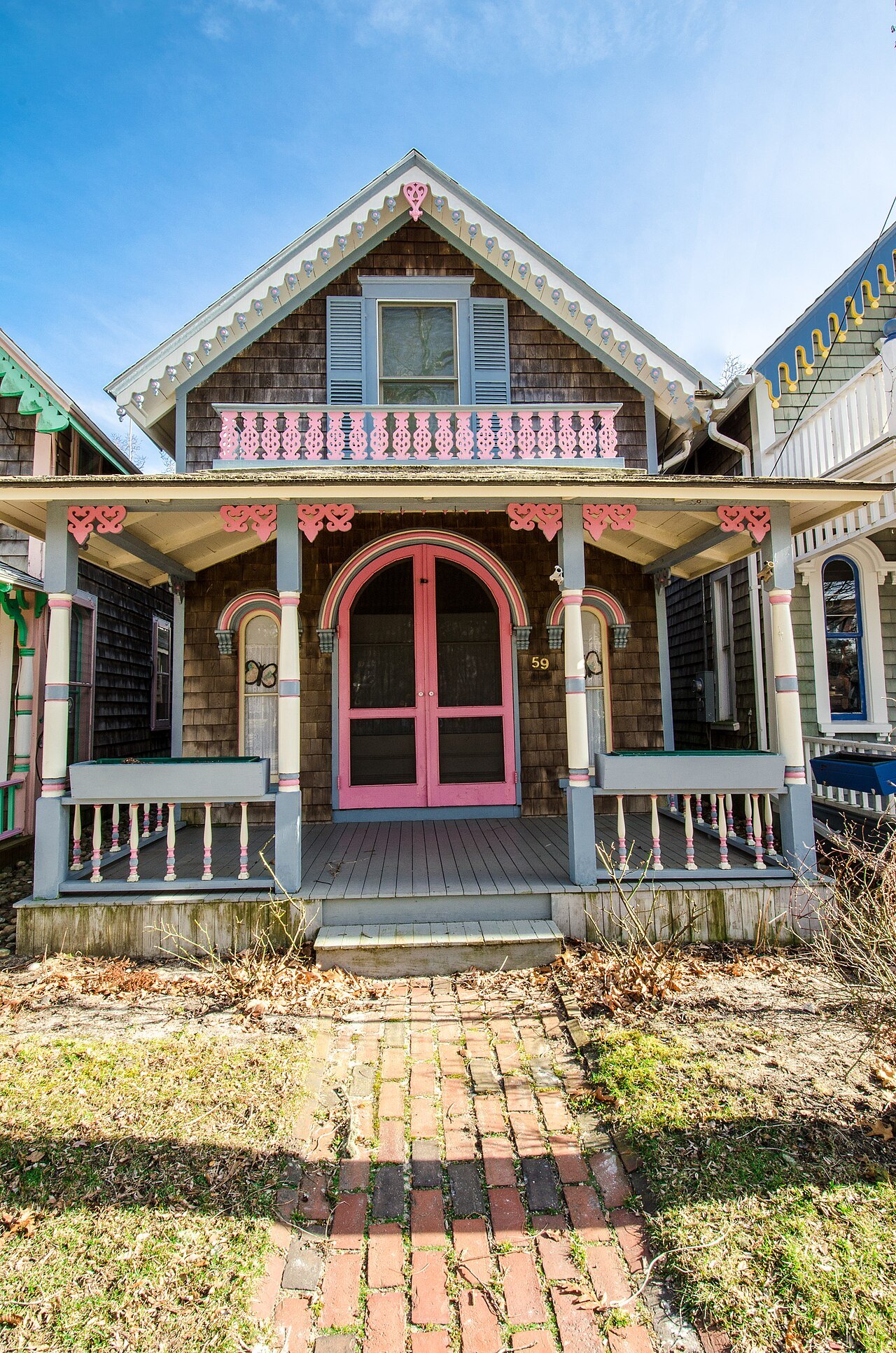
The cottages kept much of the scale and spacing of the tents they replaced, which is why the lanes still feel tightly packed. Porches face one another across paths too narrow for cars, and neighbors share walls of painted fretwork rather than open yards, an arrangement that began as a practical answer to housing a congregation for a short season.
Walking those lanes today traces the footprint of the camp meeting rather than a street plan built for houses. The grid of paths and the closeness of one cottage to the next come from a settlement built for a crowd that gathered under canvas for a few weeks each summer, long before anyone saw the cottages as a sight worth visiting.
A style called Carpenter's Gothic
Over the decades the simple cottages grew more elaborate. Builders added steep gables, pointed-arch windows and trim sawn into lace-like patterns, a style now known as Carpenter's Gothic. Bright paint, often combining several colors on one house, picked out the fretwork along eaves, porches and window frames, turning each small cottage into a showpiece rather than a plain summer shelter.
By the late nineteenth century, the gingerbread cottages had become a sight in their own right, drawing visitors with no connection to the camp meeting. The style takes its name from the carpenter's tools used to cut such intricate ornament from wood, work that would have been far slower to produce in stone or brick.

No two cottages are decorated alike, and part of the pleasure of walking the lanes is comparing the trim and paint from one porch to the next. The density that once housed a congregation now concentrates that variety into a small area, so a short walk passes dozens of differently dressed facades.
A town built differently
Oak Bluffs was the only one of the island's six towns to be consciously planned, and the only one built with tourism in mind from the start, rather than growing out of farming or whaling. Its layout around the camp meeting grounds set it apart from settlements built around a harbor or a stretch of farmland.
The contrast is clearest beside Edgartown, the island's other original town, where whaling captains built grand houses with widow's walks along Water Street as monuments to a working harbor. Oak Bluffs has no equivalent waterfront of captains' mansions; its landmark buildings are the cottages themselves, modest in scale but densely decorative.
That planned, visitor-facing character has lasted. Oak Bluffs remains one of the three down-island harbor towns, alongside Edgartown and Vineyard Haven, that hold the ferries, the shops and the busiest streets on the island. Travelers arriving by boat in season can step almost directly from the dock into the lanes of cottages.
A center of African American summer life
Oak Bluffs has been a center of African American culture since the eighteenth century. When inns elsewhere on the island turned away Black guests, Oak Bluffs welcomed them, and by the nineteen-thirties it had become the country's best-known African American summer resort, its history woven into the same streets that hold the cottages.
Shearer Cottage, the island's first inn to accept Black vacationers, stands among the landmarks of that history, part of the same town that grew up around the camp meeting lanes. Its presence shows that Oak Bluffs's welcome extended, from early on, well beyond the Methodist congregation that first built the cottages.
Visitors interested in the town's African American heritage and its cottage architecture are, in practice, walking the same blocks, since both grew from the same era of Oak Bluffs becoming a planned resort in a way the island's other communities did not, a history that still shapes the streets today.
The carousel nearby

A short walk from the cottage district stands the Flying Horses Carousel, built in 1876 and brought to Oak Bluffs from Coney Island in 1884. It is the oldest platform carousel still running in the country, proof that the town's identity as a resort extends well beyond the cottages themselves.
Riders sit on hand-carved horses that have turned here since the nineteenth century, a few minutes' walk from lanes lined with fretwork and bright paint, two attractions from the same decades when Oak Bluffs was taking shape as a destination built for visitors rather than a working harbor.
Together, the carousel and the cottage lanes give Oak Bluffs a holiday atmosphere distinct from the island's other down-island harbor towns, less about ships and widow's walks and more about the amusements of a summer camp meeting. Visitors should confirm current hours and any seasonal closures for the carousel directly with its operators.
Visiting the cottages
The cottages are private homes, closely set along pedestrian lanes rather than arranged as a museum district, so visitors should expect to view them from the paths rather than enter them, except where an owner or an organization allows it. Early morning or a quiet hour suits a slow walk better than a busy summer afternoon.
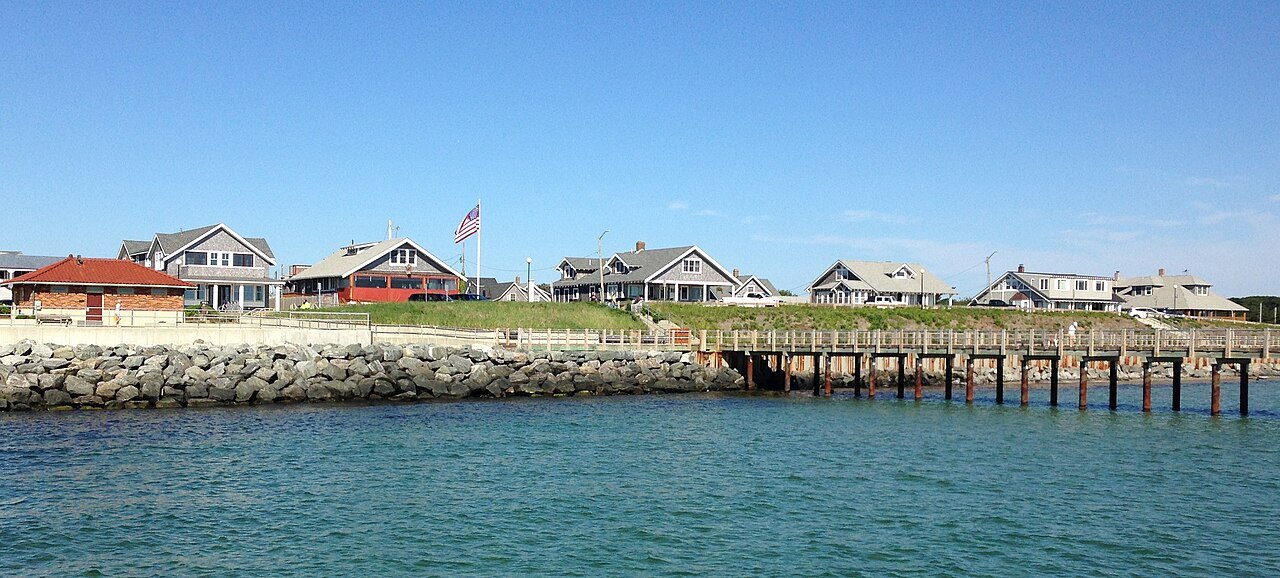
Oak Bluffs can be reached by the Steamship Authority's seasonal ferry route from Woods Hole, which runs from late spring to late autumn and is the only line permitted to carry cars, or by the faster catamaran service that Hy-Line Cruises runs from Hyannis in season. Visitors should confirm current schedules with each operator before booking.
A visit pairs naturally with the rest of down-island Martha's Vineyard, since Oak Bluffs sits close to Vineyard Haven and a short ferry or drive from Edgartown's whaling-era streets along Water Street. Those planning a longer stay can look into getting around the island before choosing how much time to give each town.
Seeing Oak Bluffs within the island
Oak Bluffs is one of three down-island harbor towns, together with Edgartown and Vineyard Haven, where most ferries, shops and restaurants are concentrated. Up-island, the towns of West Tisbury, Chilmark and Aquinnah hold farms, stone walls, ponds and the cliffs at the island's western end, a landscape far removed from the cottage lanes.
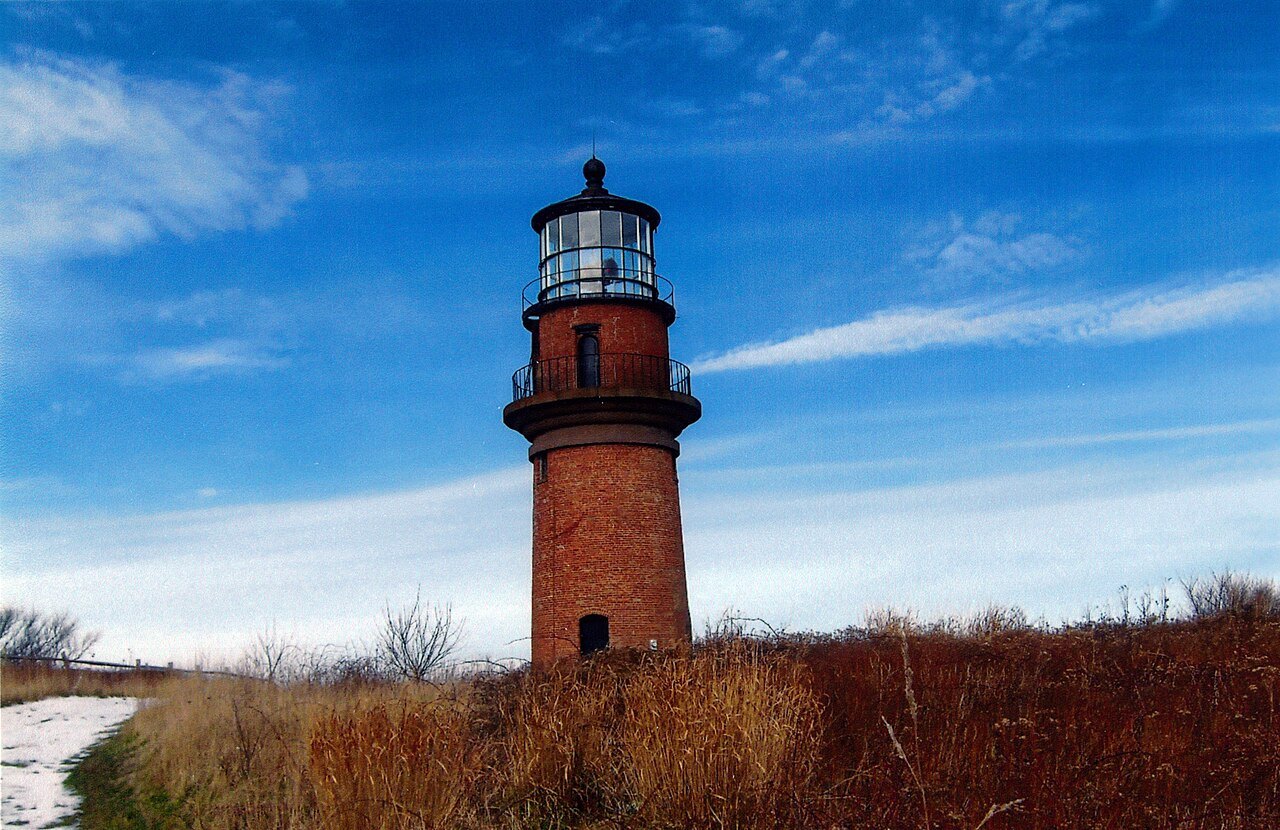
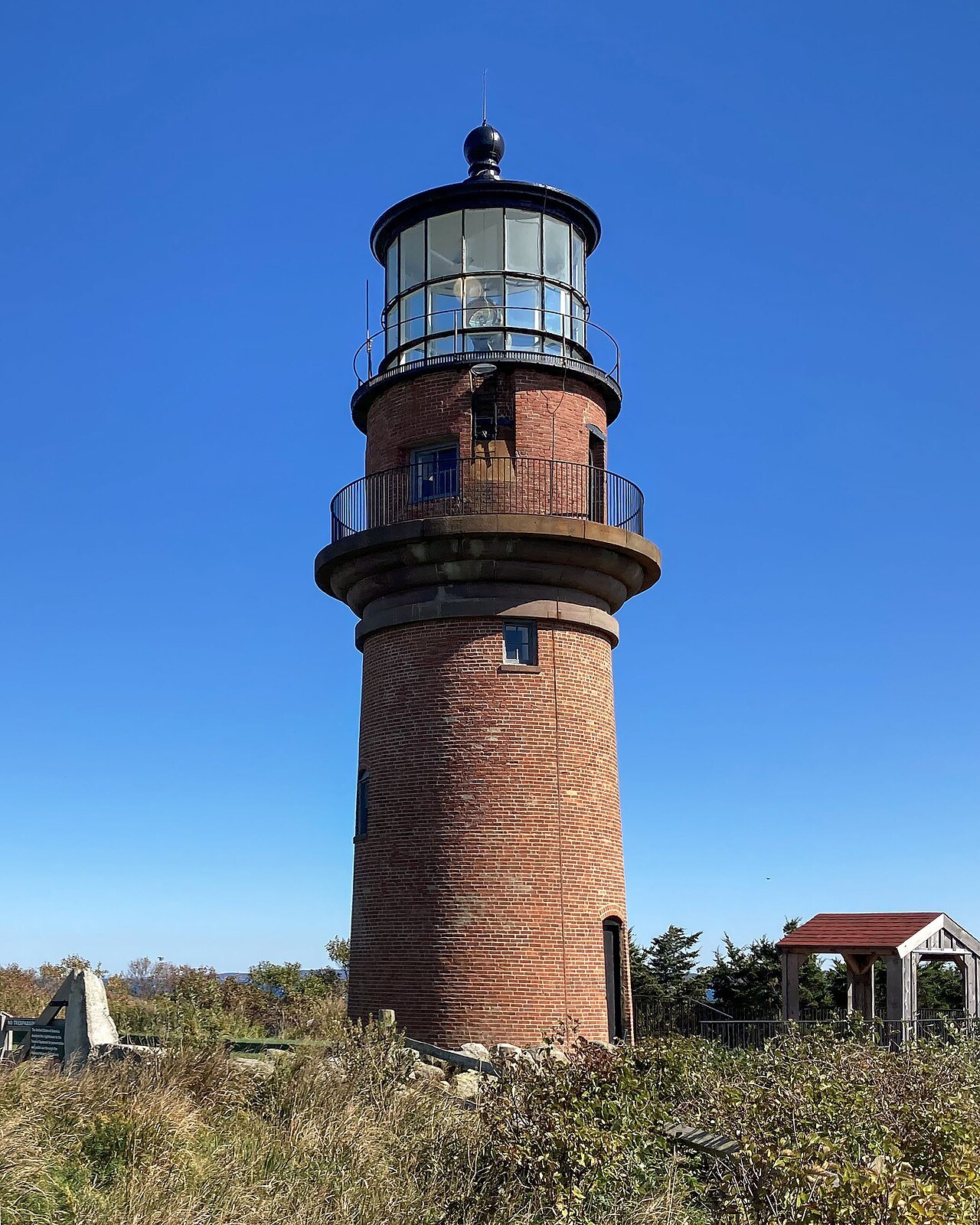
A day given to the up-island loop can include Aquinnah's clay cliffs and the Gay Head Light, a conical brick tower first lit in 1856, along with the fishing village of Menemsha and the farmland around West Tisbury. The contrast with Oak Bluffs's packed cottages shows how differently the island feels at its two ends.
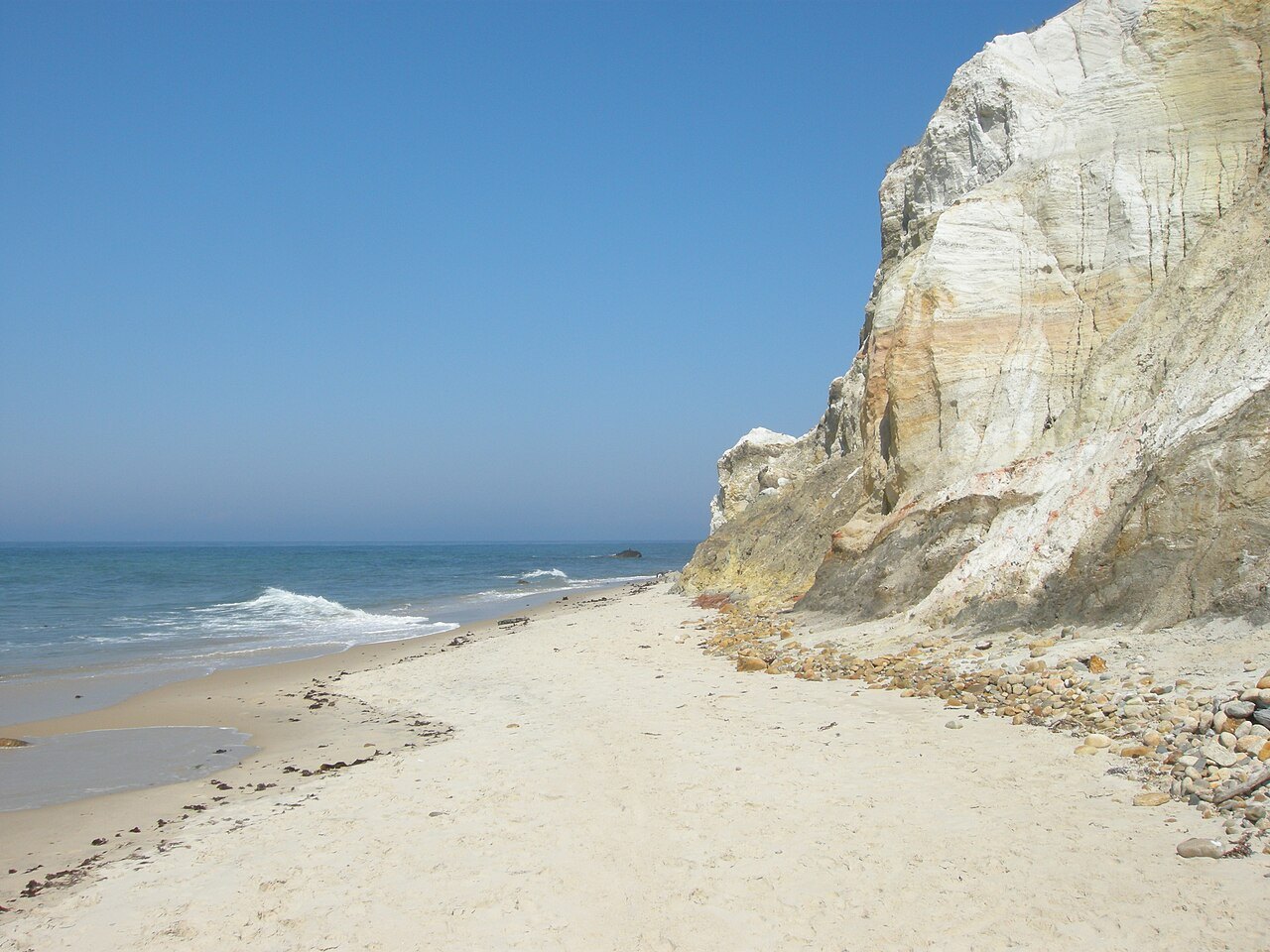
Edgartown, the island's other original town, is a short ferry or drive from Oak Bluffs and offers a different nineteenth-century streetscape, built on whaling wealth rather than a camp meeting. Seeing both towns on the same trip, along with at least part of the up-island loop, gives a fuller sense of Martha's Vineyard than the cottages alone.
Read nextIII
More from the journal
- Ferries & IslandsHow do you get to Martha's Vineyard, and do you need a car?Martha's Vineyard has no bridge: you arrive by ferry or small plane. Which harbor to sail from, the one ferry line that takes cars, why most visitors leave the car behind, and how to get round the island by bus, bicycle and on foot.Read the piece →
- New Bedford, the Whaling CityWhy was New Bedford the whaling capital of the world?How Quaker merchants, immigrant sailors, and a fleet of hundreds of ships made New Bedford the richest whaling port on earth.Read the piece →
- ProvincetownDid the Pilgrims really land in Provincetown first?Provincetown's harbor saw the Mayflower before Plymouth did — the story behind the Pilgrims' real first landfall.Read the piece →