Home · The Cities
Six guidesI
The cities
Six towns
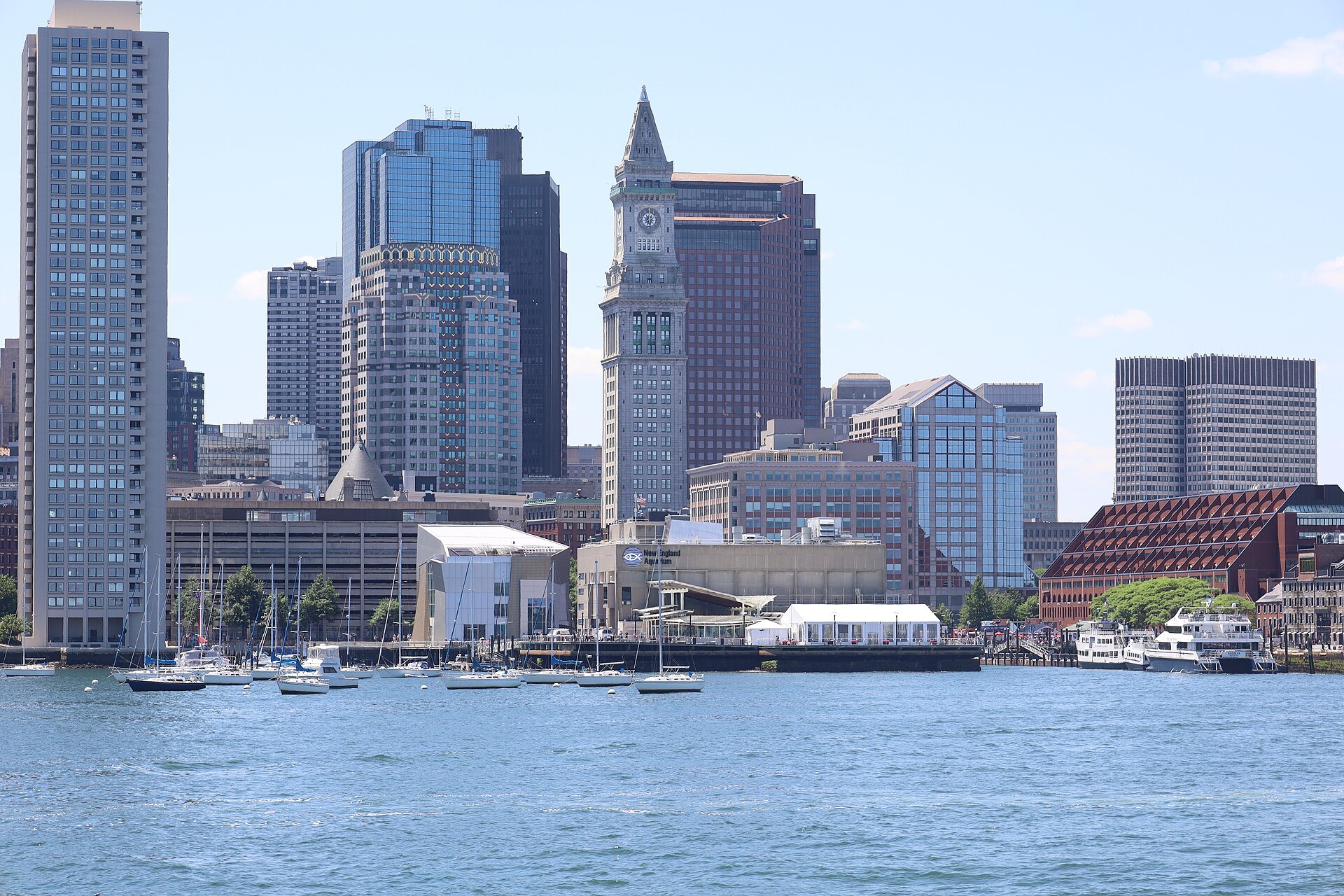
From the harbor to the valley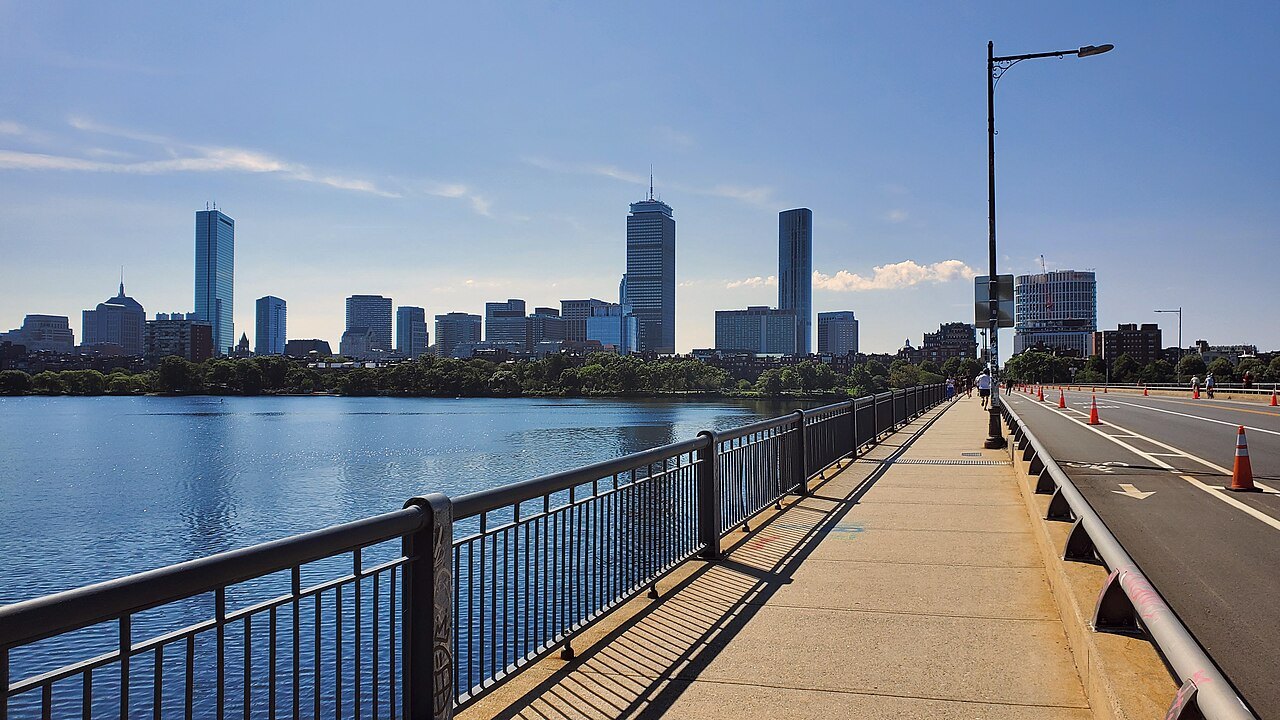 Greater BostonBostonThe capital, founded on the Shawmut Peninsula in 1630; 675,647 people at the 2020 census.
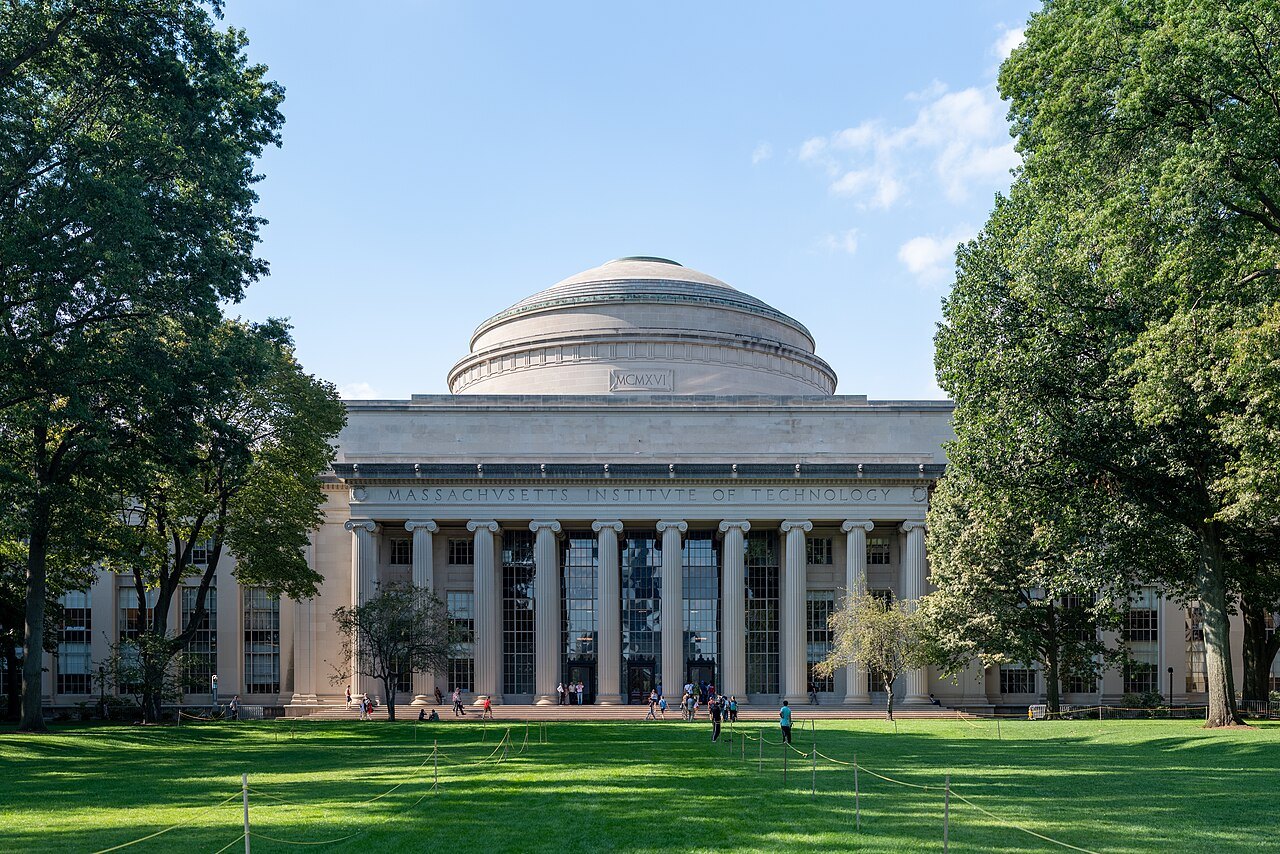 Greater BostonCambridgeDirectly across the Charles River from Boston, founded in December 1630, home to Harvard and MIT.
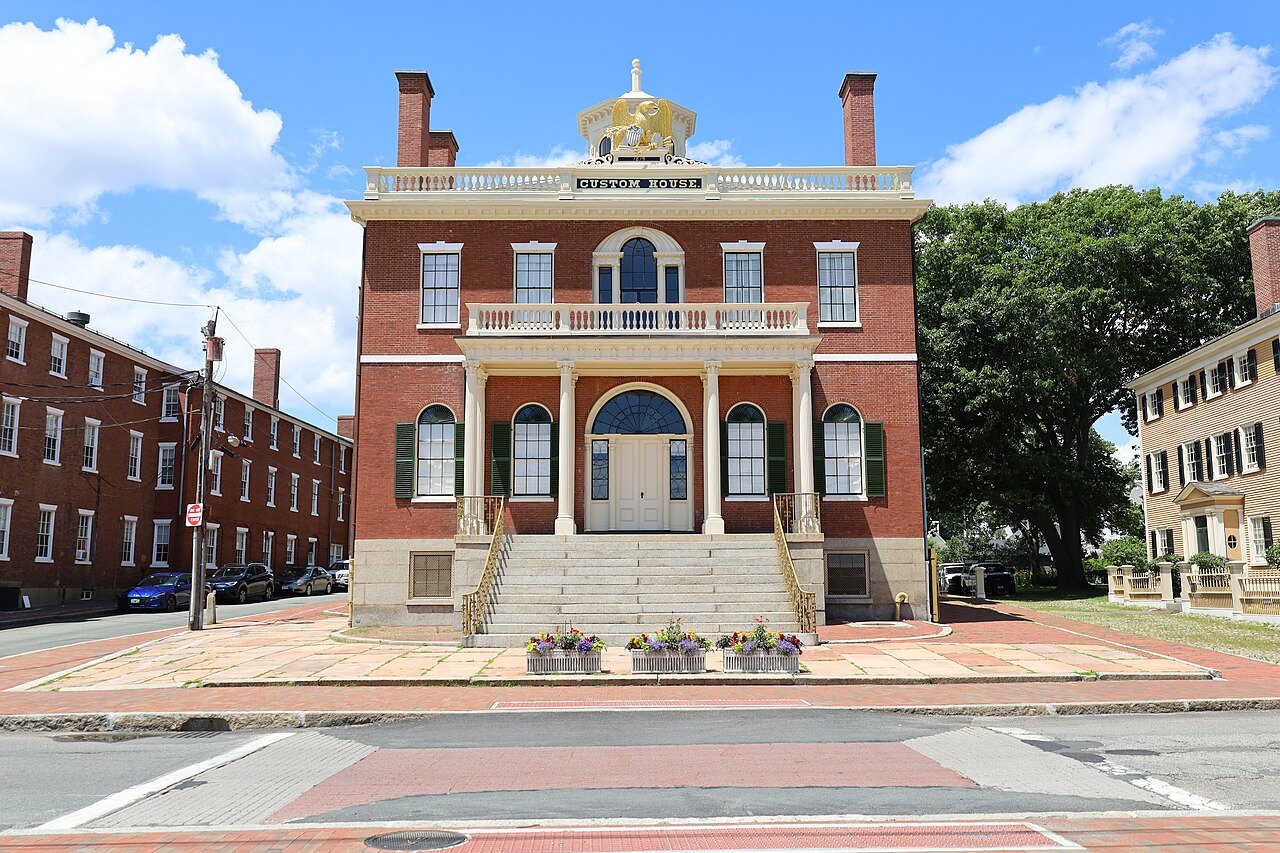 North ShoreSalemA seaport settled in 1626, known for the witch trials of 1692, with its Maritime site and the Peabody Essex Museum.
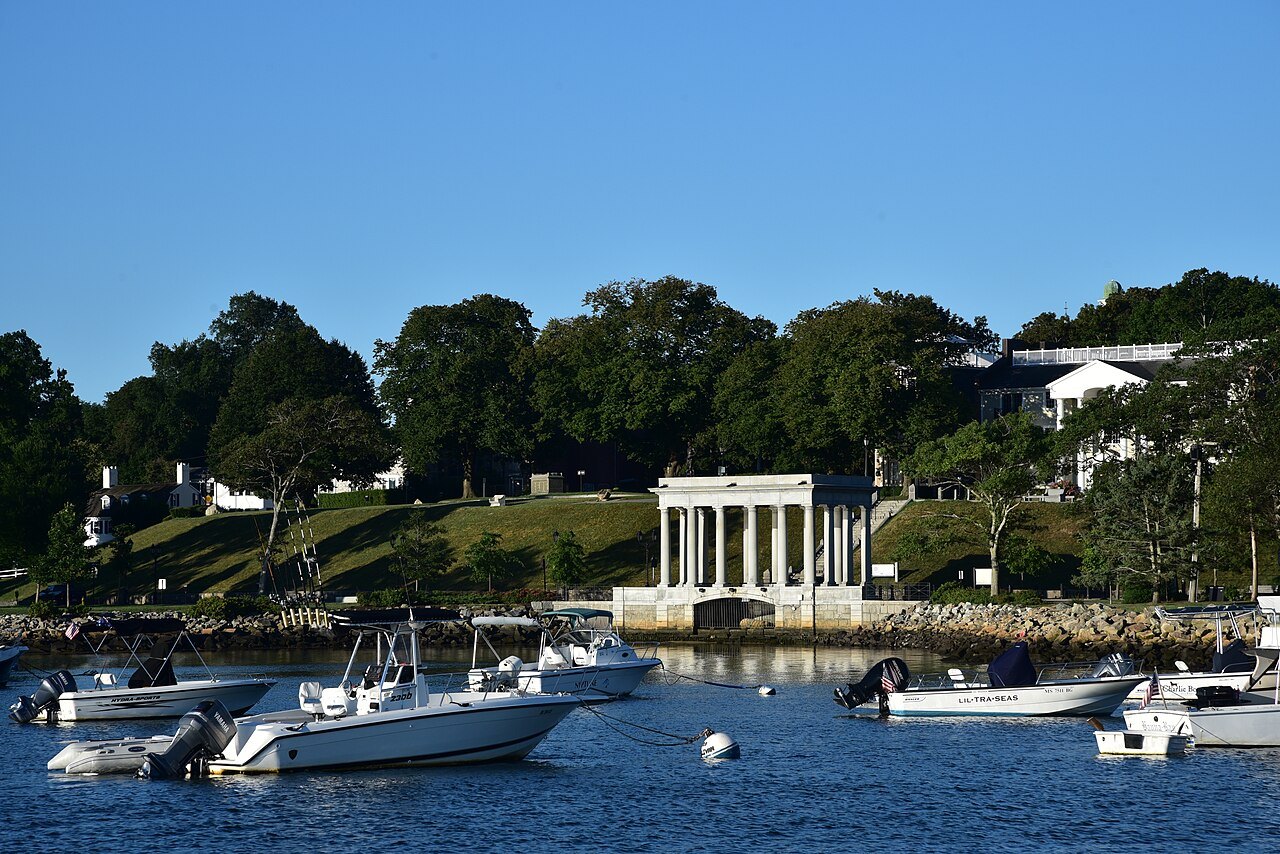 South ShorePlymouthAmerica's Hometown, where the Mayflower Pilgrims founded their colony in 1620, about 40 miles south of Boston.
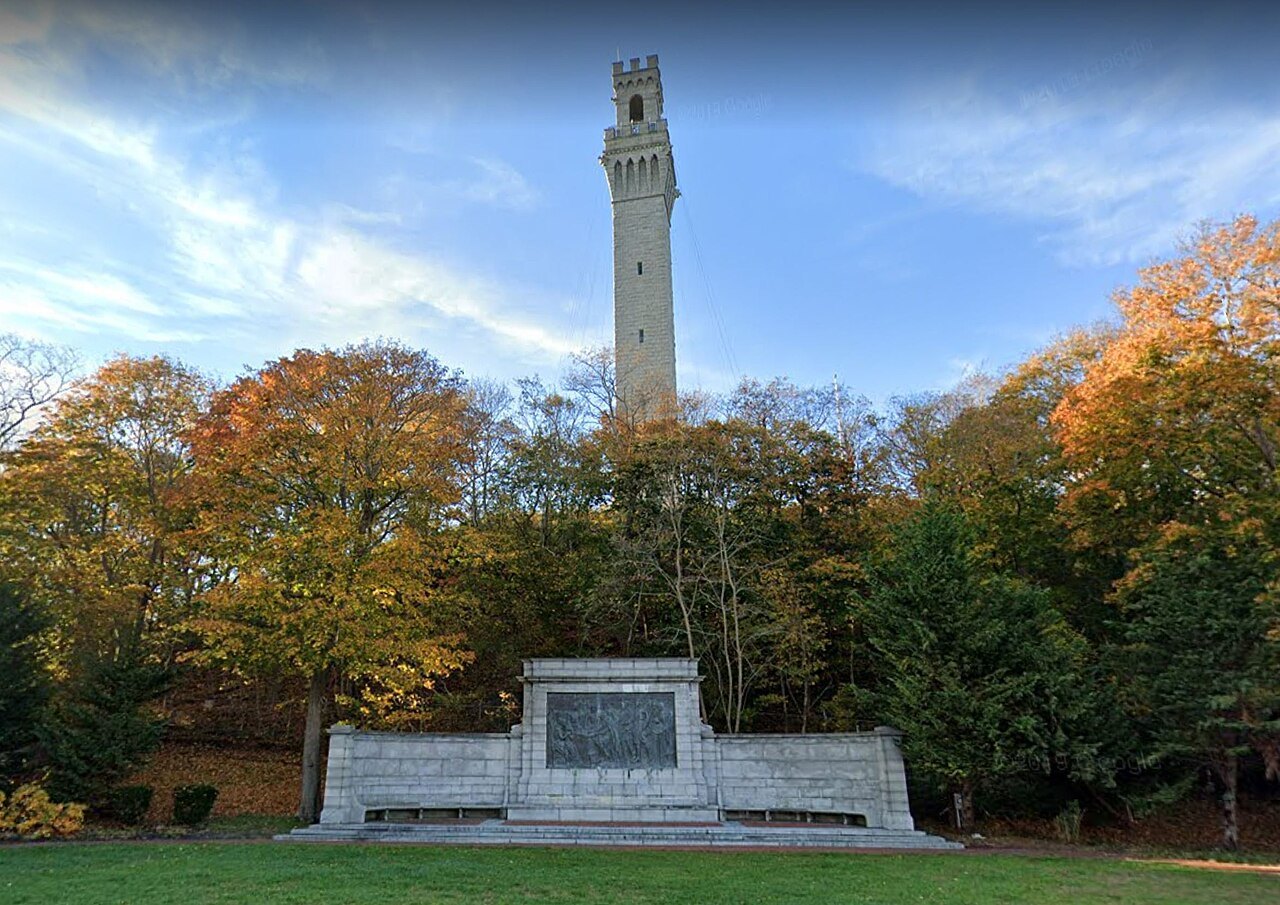 Cape CodProvincetownAt the tip of Cape Cod: 3,664 people all year, as many as 60,000 in summer.
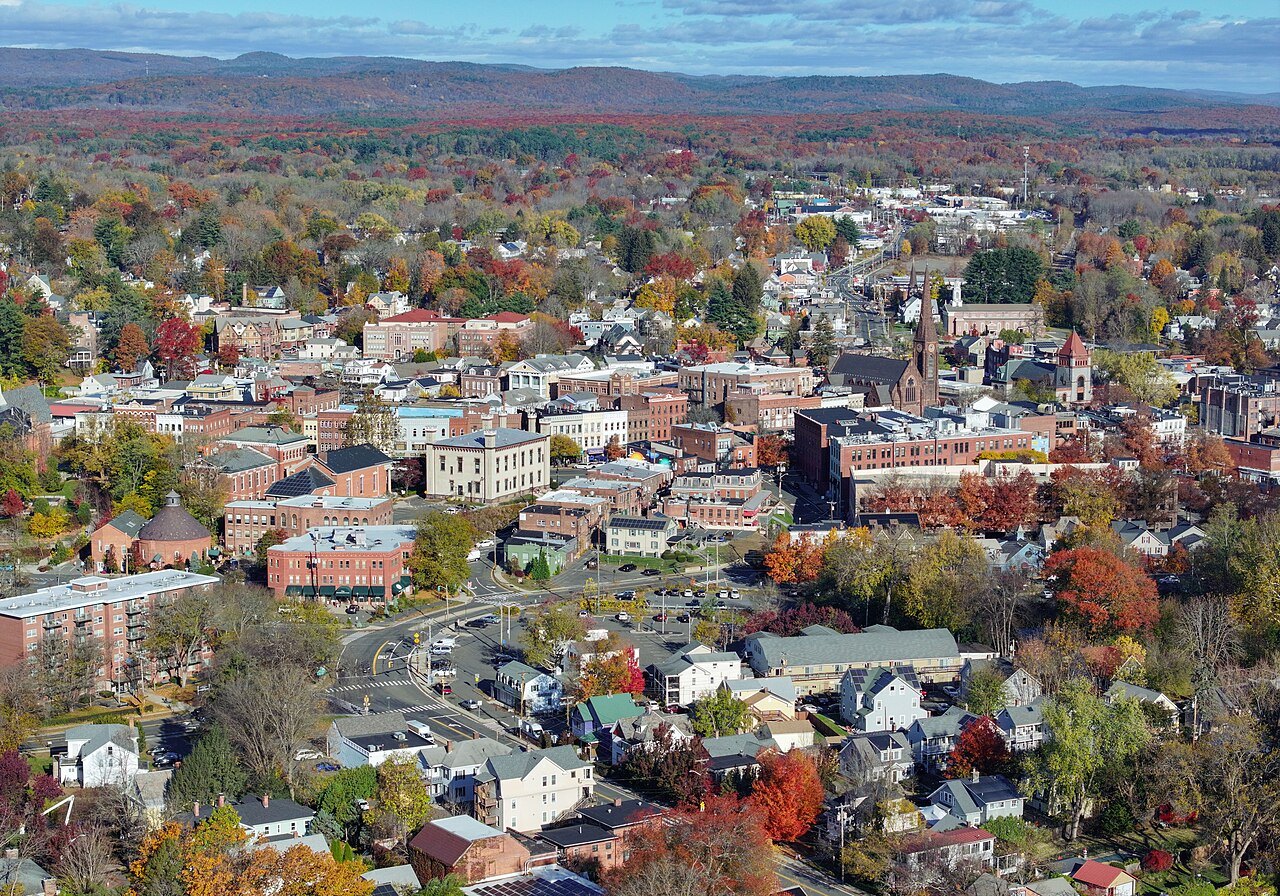 Pioneer ValleyNorthamptonThe county seat of Hampshire County, in the Pioneer Valley, where Smith College was founded in 1871.
In fullII
The Cities
Six places to stay
The landmarks are the reasons to come; these six are the places to stay while you see them. Each is a real town with a center you can walk, places to eat and sleep, and a set of sights of its own, and each sits close to one or more of the landmarks. Together they span the state from the harbor of Boston to the Connecticut River valley, and from the witch-trial port of the North Shore to the dunes at the end of the Cape.
Each guide explains how the town grew, how it is laid out, what to see and how long to give it. Where to Stay compares them as bases, and Driving and Getting Around explains how to move between them.
Boston
Boston is the capital of Massachusetts and the natural first stop. It was founded on the narrow Shawmut Peninsula in 1630 and has grown ever since by filling in its marshes and harbor, so much of today's city stands on made land. It is a city of neighborhoods, each with its own character: the old downtown and the waterfront, the Italian North End with Paul Revere's house and Old North Church, Beacon Hill's brick row houses above the Common, the Back Bay's grand avenues, the South End, the Fenway with its museums, and Charlestown across the river.
Boston is compact and walkable end to end, with the oldest subway in the country beneath it. Give it at least three days: one for the Freedom Trail, one for the museums, one for the neighborhoods and the harbor.
Cambridge
Directly across the Charles, Cambridge was founded in 1630 as Newtowne and renamed in 1638 for the English university town, after its new college, soon named for John Harvard. It is home to Harvard and to MIT, and it is a city of squares: Harvard Square around the university, Central Square between them, and Kendall Square by MIT, with its laboratories and companies. On Cambridge Common, George Washington took command of the Continental Army in 1775.
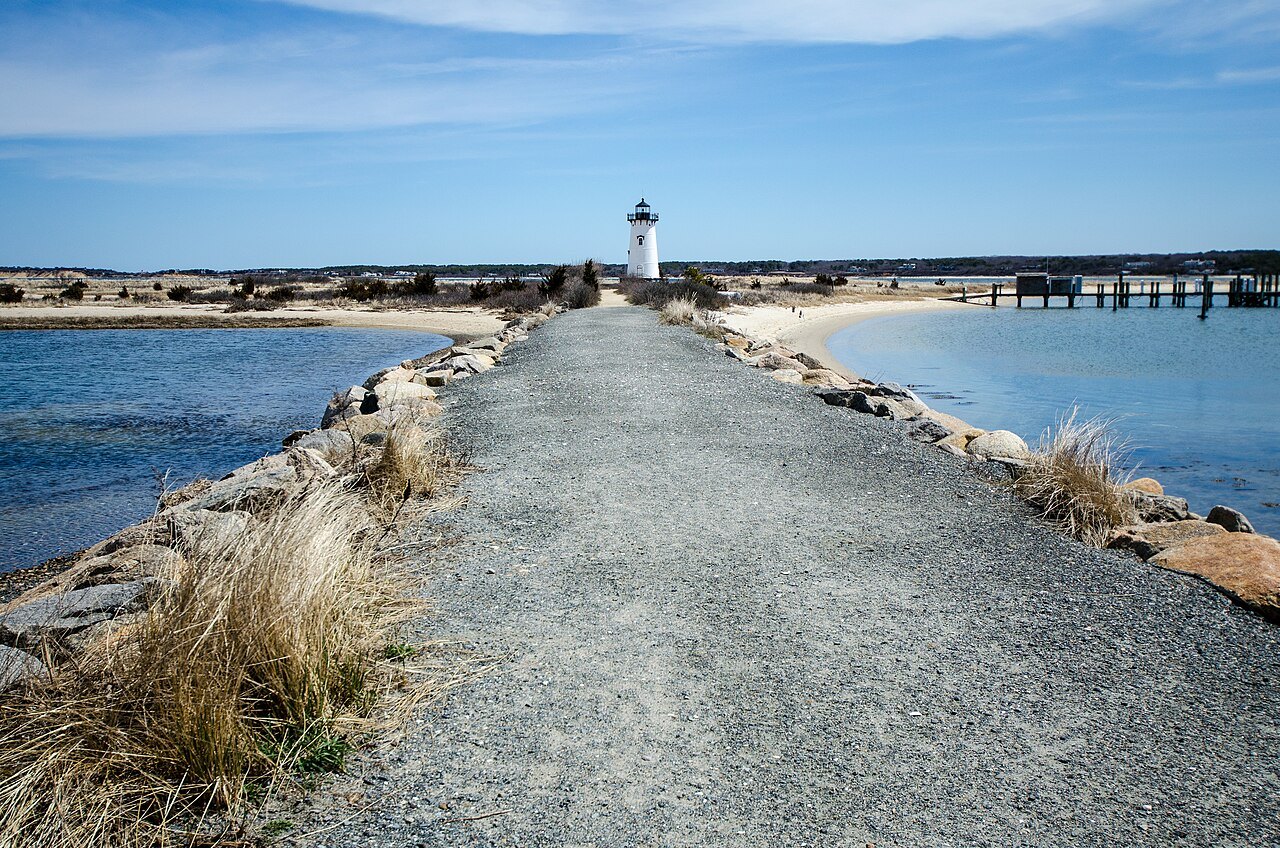
Cambridge is an easy half day or day from Boston on the Red Line, or a quieter base for a whole stay. Walk Brattle Street's old houses and the riverbank as well as the Yard.
Salem
Salem, settled in 1626, is known the world over for the witch trials of 1692, when nineteen people were hanged on false accusations and Giles Corey was pressed to death for refusing to plead; the site of the hangings, Proctor's Ledge at the foot of Gallows Hill, was identified in 2016 and made a memorial. Less loudly, it was one of the richest ports of the young republic, its young captains making some of the first American voyages to the East Indies and the China trade, and that wealth built the Custom House, the wharves of Salem Maritime National Historical Park and the houses of Chestnut Street.
The Peabody Essex Museum, heir to the East India Marine Society founded by Salem captains in 1799, is one of the great museums of the state, and the House of the Seven Gables recalls Nathaniel Hawthorne's novel. A day covers the center; October, when the city is busiest, needs planning ahead.
Plymouth
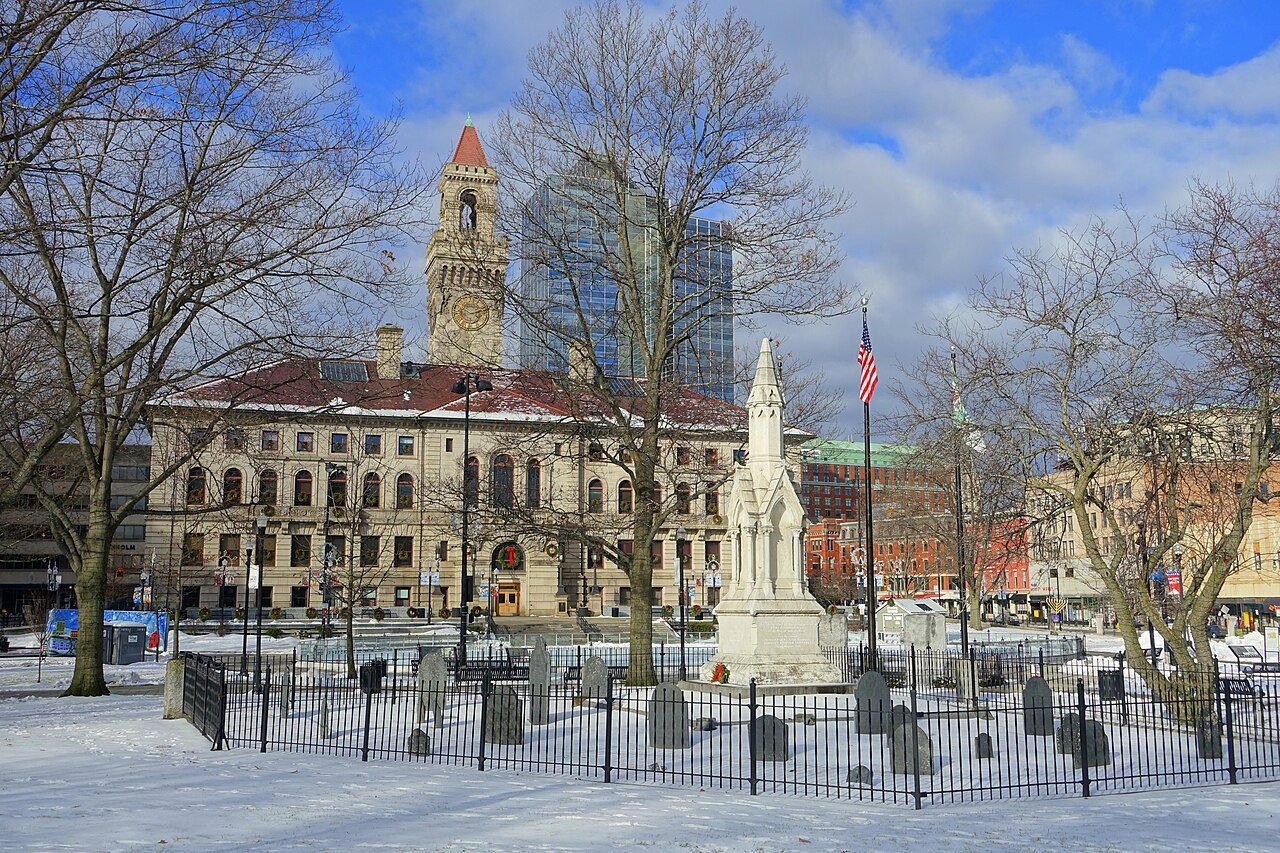
Plymouth, America's Hometown, is where the Mayflower Pilgrims founded their colony in 1620 on the site of the Wampanoag village of Patuxet. On the waterfront, Plymouth Rock lies under its granite portico in Pilgrim Memorial State Park, beside the Mayflower II, and on Cole's Hill above it a sarcophagus holds the bones of the Pilgrims who died in the first winter. Pilgrim Hall Museum is the oldest continually operating museum in the country.
Plymouth is also the largest town by area in Massachusetts, and in North Plymouth stood the Plymouth Cordage Company, founded in 1824, once the world's largest maker of rope. Pair a morning in town with an afternoon at Plimoth Patuxet, and allow a full day.
Provincetown
Provincetown, at the very tip of Cape Cod, is where the Pilgrims first landed in November 1620 and signed the Mayflower Compact before sailing on to Plymouth. The granite Pilgrim Monument, the tallest all-granite structure in the United States, stands over the town in their memory. It grew as a fishing and whaling harbor, many of its sailors Portuguese from the Azores, and became an art colony, home for a century to painters and writers from the Cape Cod School of Art onward.
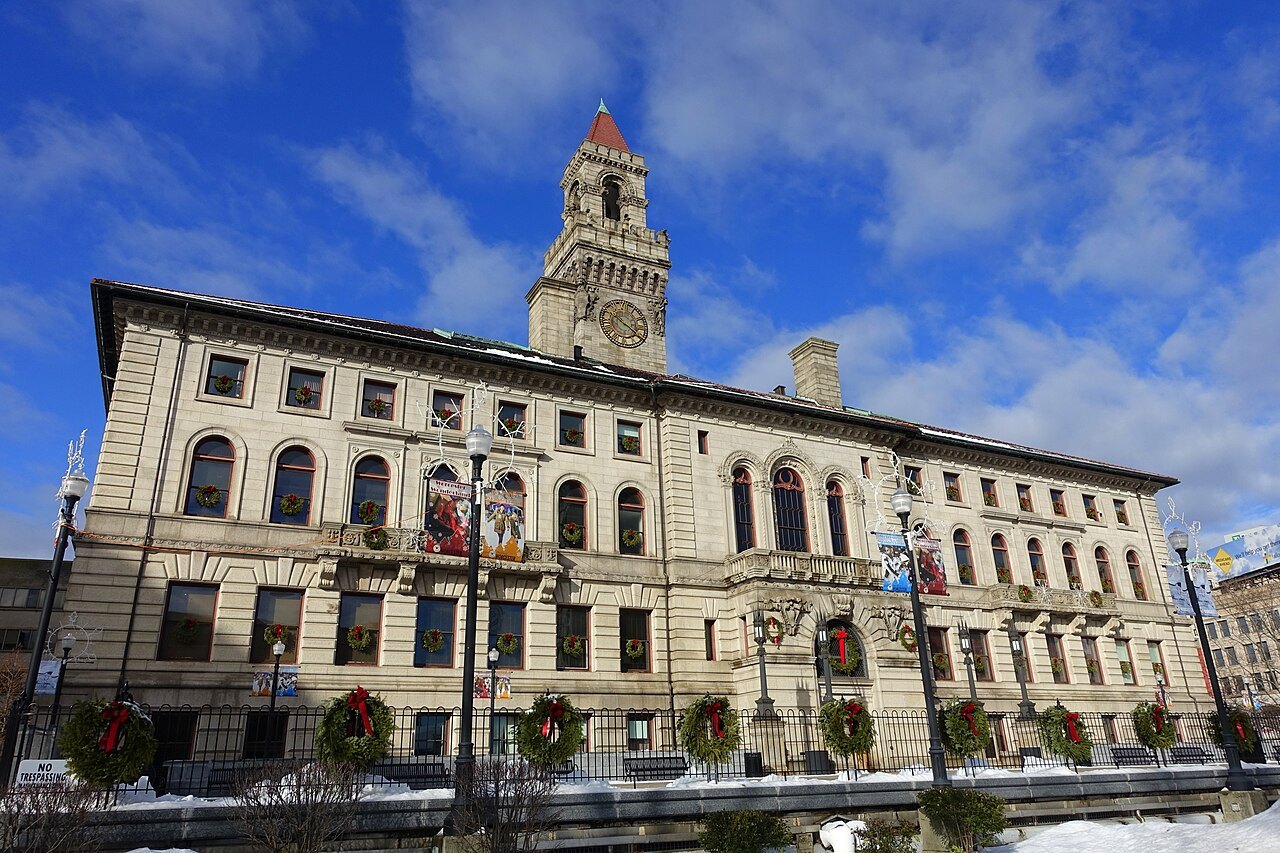
It is a town of 3,664 people all year and up to sixty thousand in summer, with a long main street, Commercial Street, along the harbor, and the dunes and beaches of the Province Lands behind it. Give it at least a night; in summer it is a day trip from Boston by fast ferry.
Northampton
Northampton, halfway across the state on the west bank of the Connecticut River, is the county seat of Hampshire County and the home of Smith College, founded in 1871. It was settled in 1654 at Nonotuck, the midst of the river, and its history runs from Jonathan Edwards's revival of 1734 through Sojourner Truth's years in Florence to Calvin Coolidge, once its mayor.
The Paradise City is a lively college town with a strong arts and music scene, the Academy of Music theater of 1890, and rail trails into the valley. It is the best central base for the west of the state: a day in town, then the drives to Sturbridge and the Berkshires.
Choosing among them
For a first trip, Boston and Cambridge together are enough for three or four days. Add Salem for a day of witch trials and sea trade, Plymouth on the way to the Cape, Provincetown for the Cape's end and its dunes, and Northampton for a trip west into the hills. The itineraries combine them into plans of three days, five and a week.
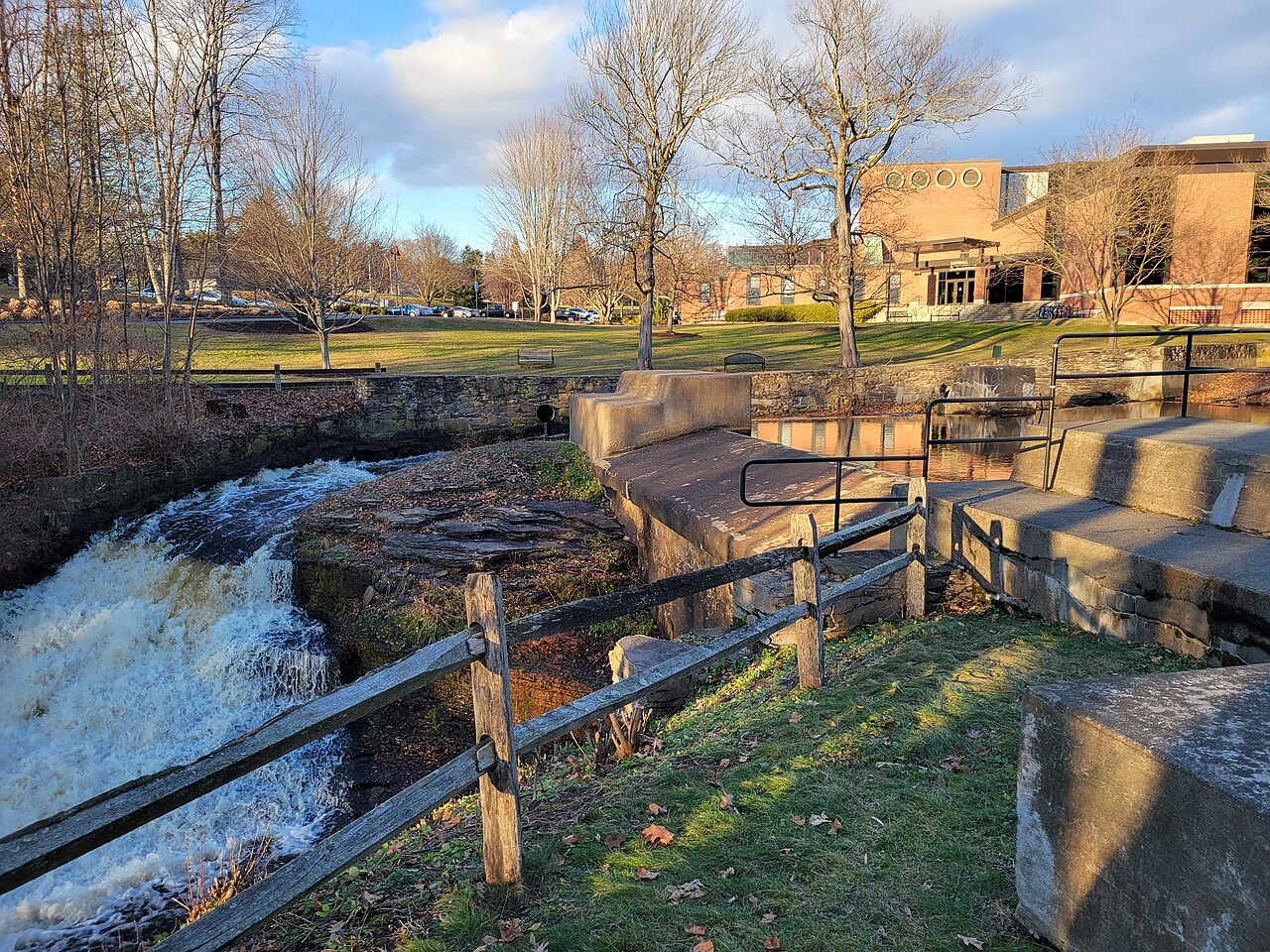
All six reward an overnight stay more than a quick visit. Evenings are when Boston's North End, Harvard Square, Salem's waterfront, Provincetown's Commercial Street and Northampton's theaters come alive, and the early mornings, before the day visitors arrive, are the best time for Plymouth's harbor and the Freedom Trail.
Seen on the wayIII
More photographs
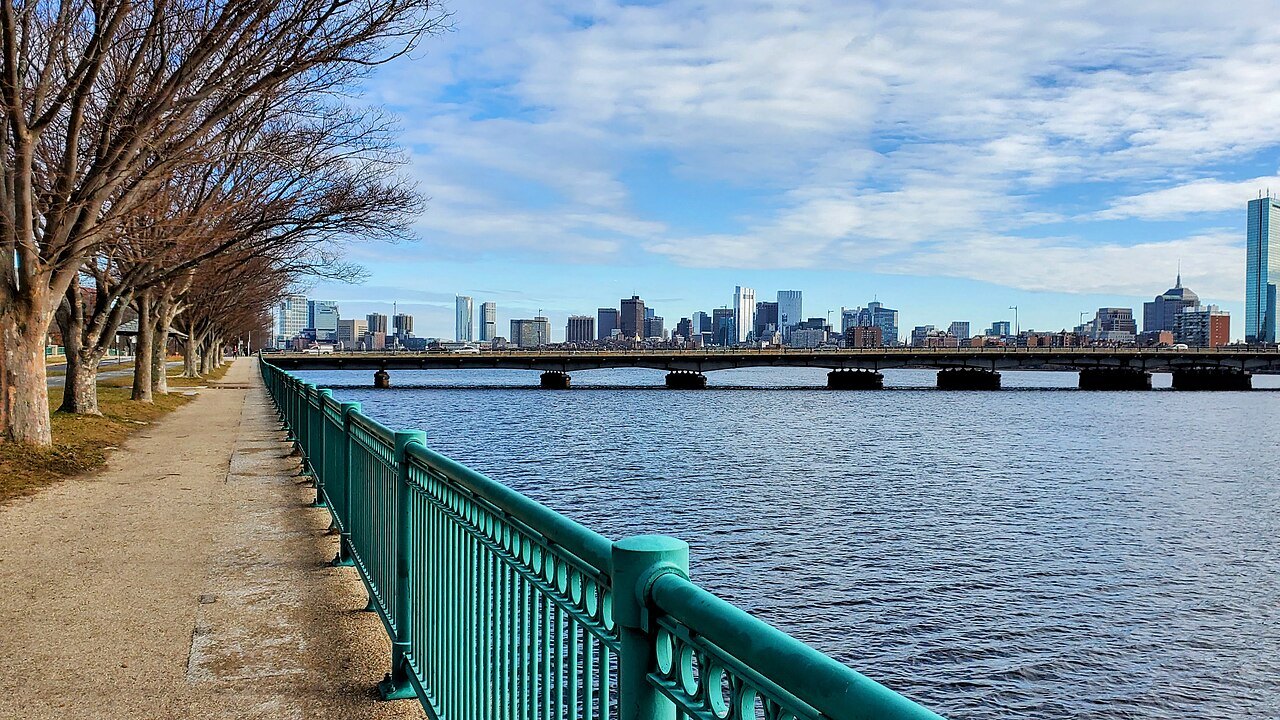
The river path and railings along the Charles, the bridge and the city beyondEthan Long, Wikimedia Commons, CC BY-SA 2.0 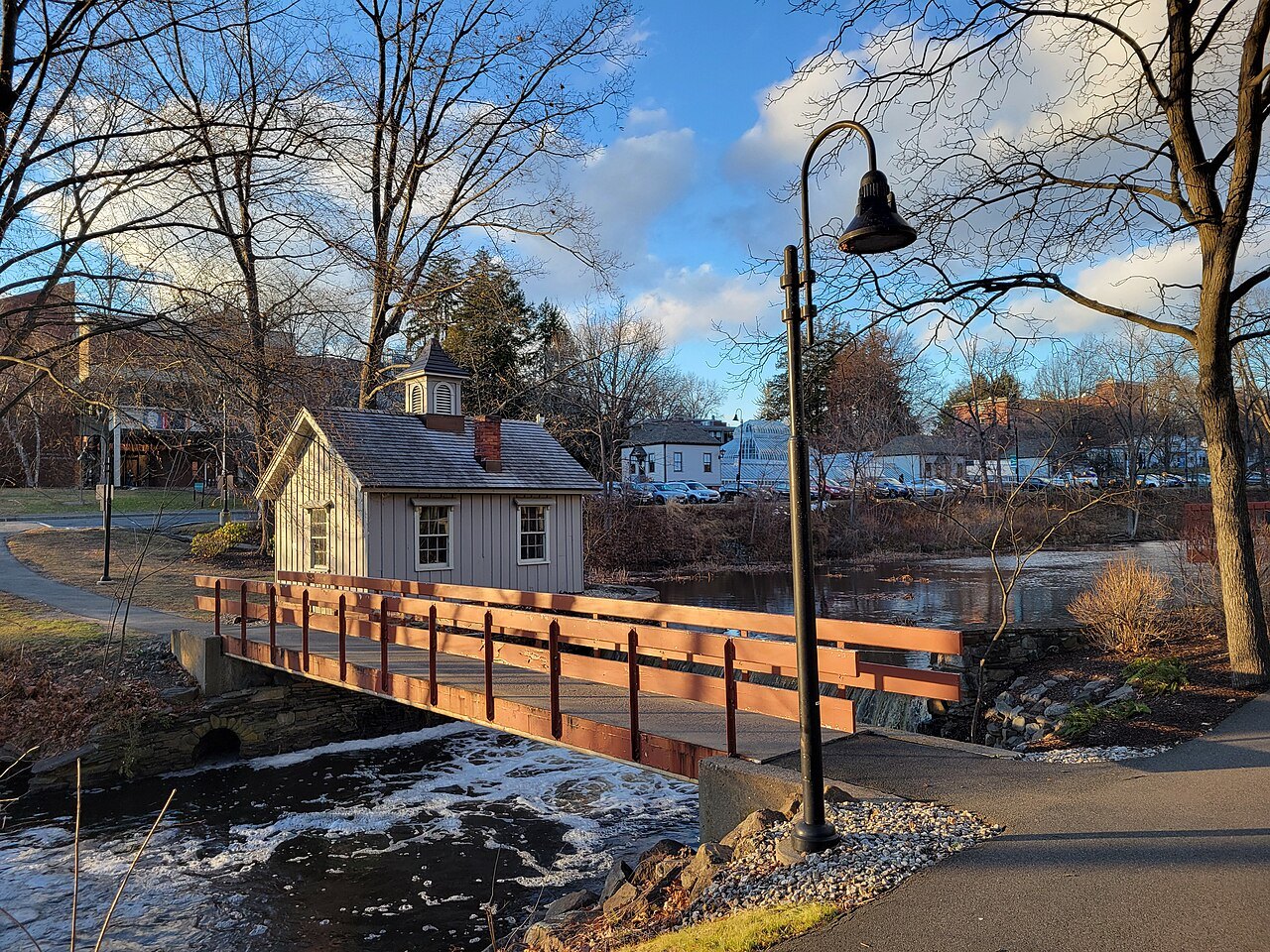
A small house and footbridge by the falls at Mount Holyoke CollegeJohn Phelan, Wikimedia Commons, CC BY 4.0 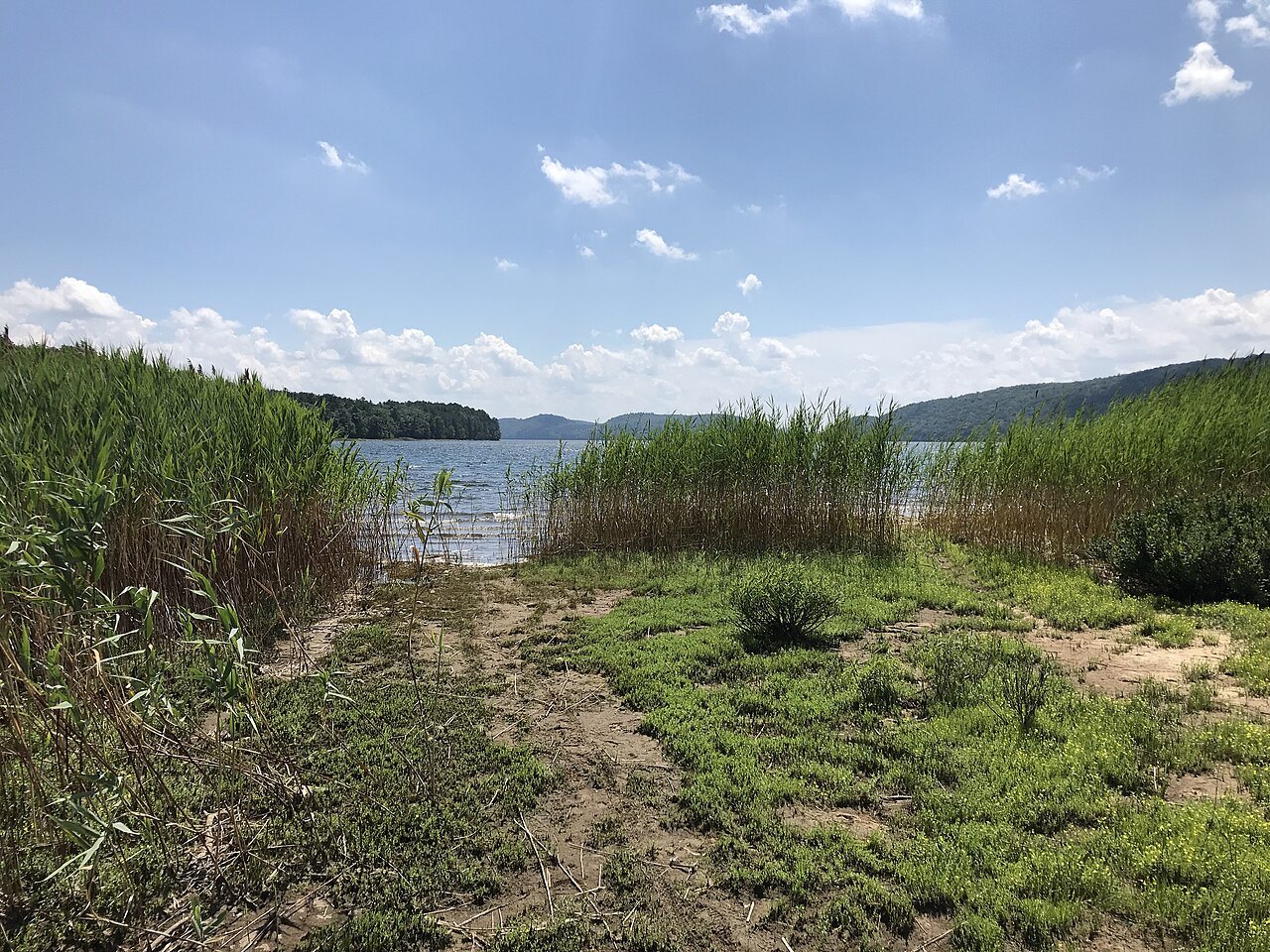
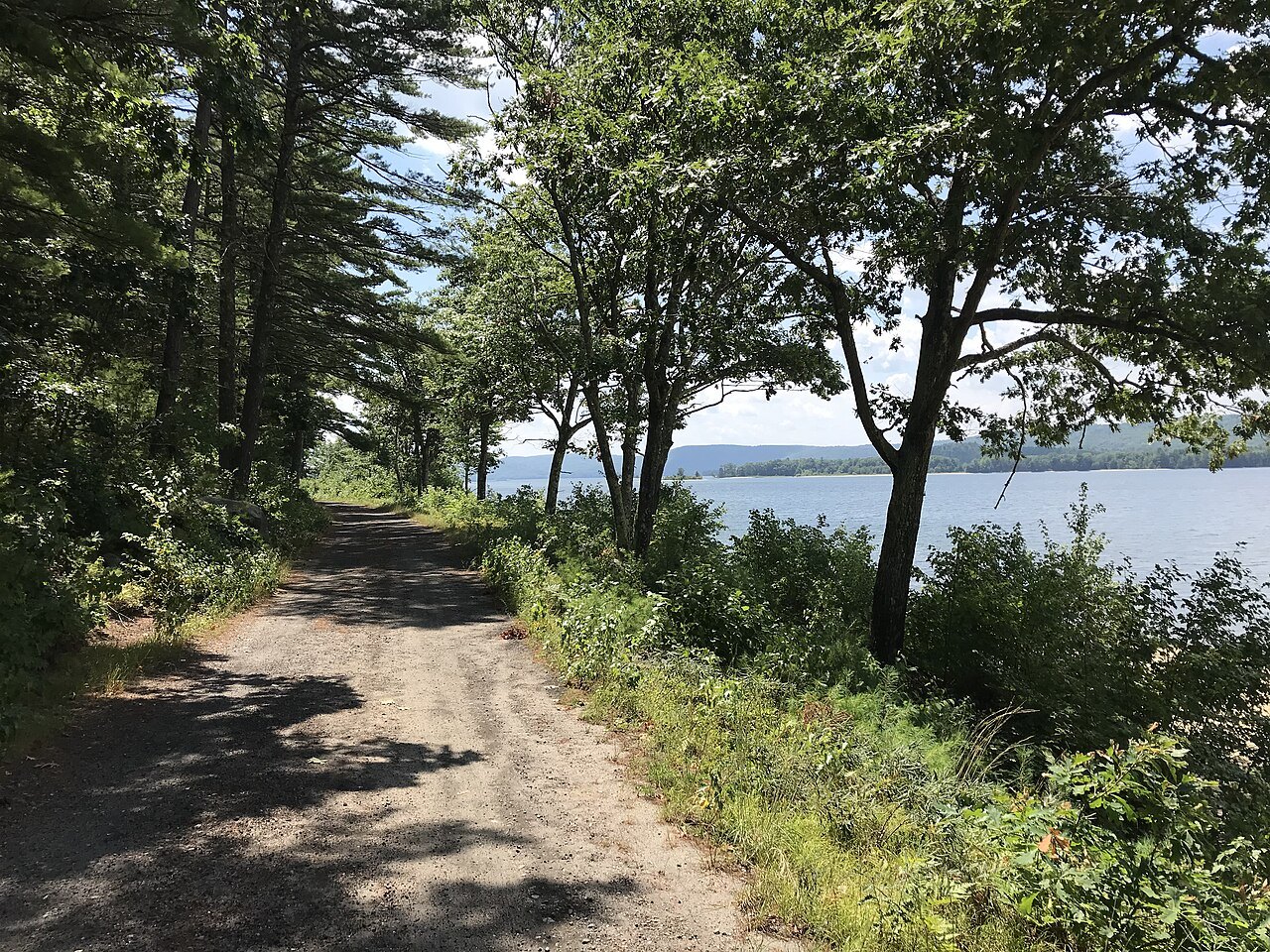
The old Rabbit Run rail bed running into the reeds of the Quabbin ReservoirJohn Phelan, Wikimedia Commons, CC BY-SA 4.0