Home · The Landmarks
All eighteenI
The landmarks, region by region
Greater Boston
The capital, Cambridge and the Revolution's first miles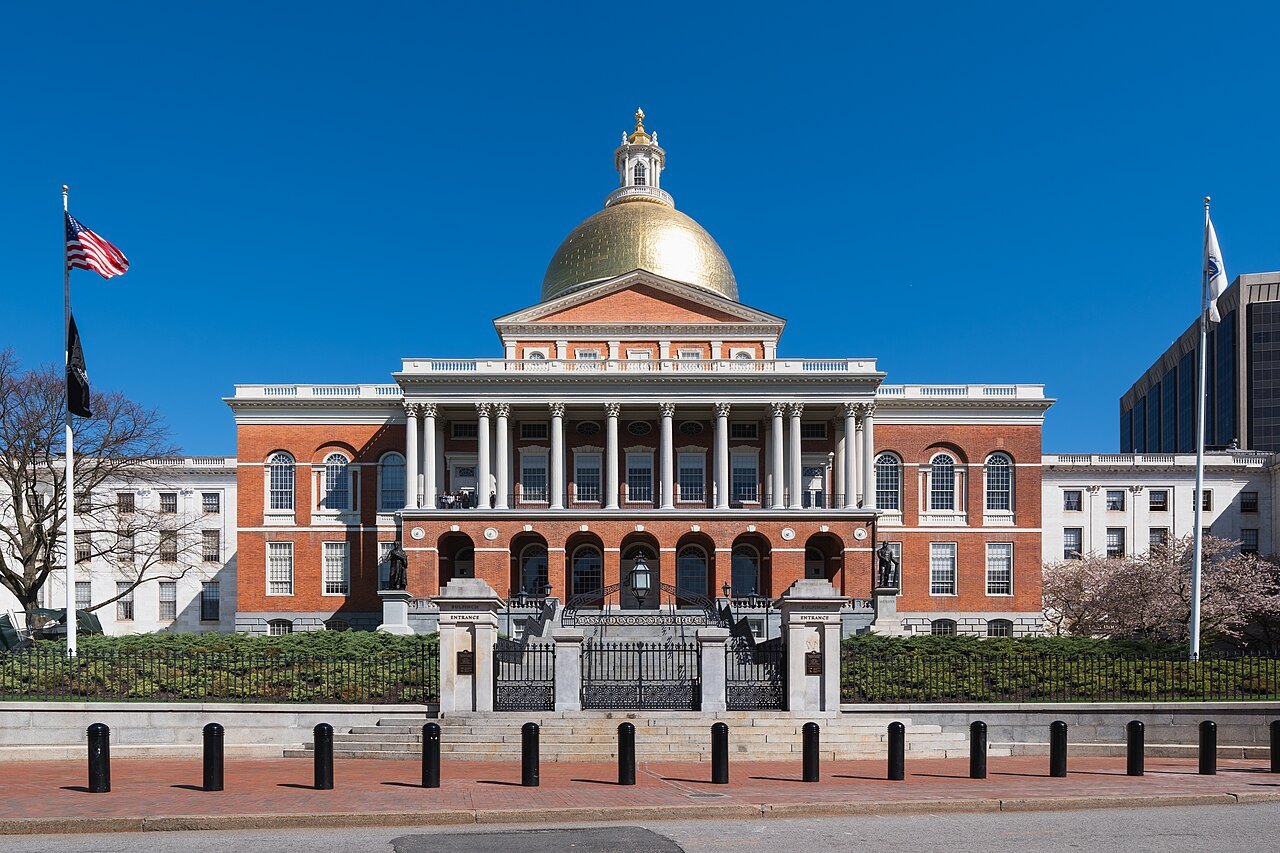 Greater Boston · Downtown to Charlestown1The Freedom TrailA path of two and a half miles past sixteen sites, from Boston Common to the Old North Church and the Bunker Hill Monument.
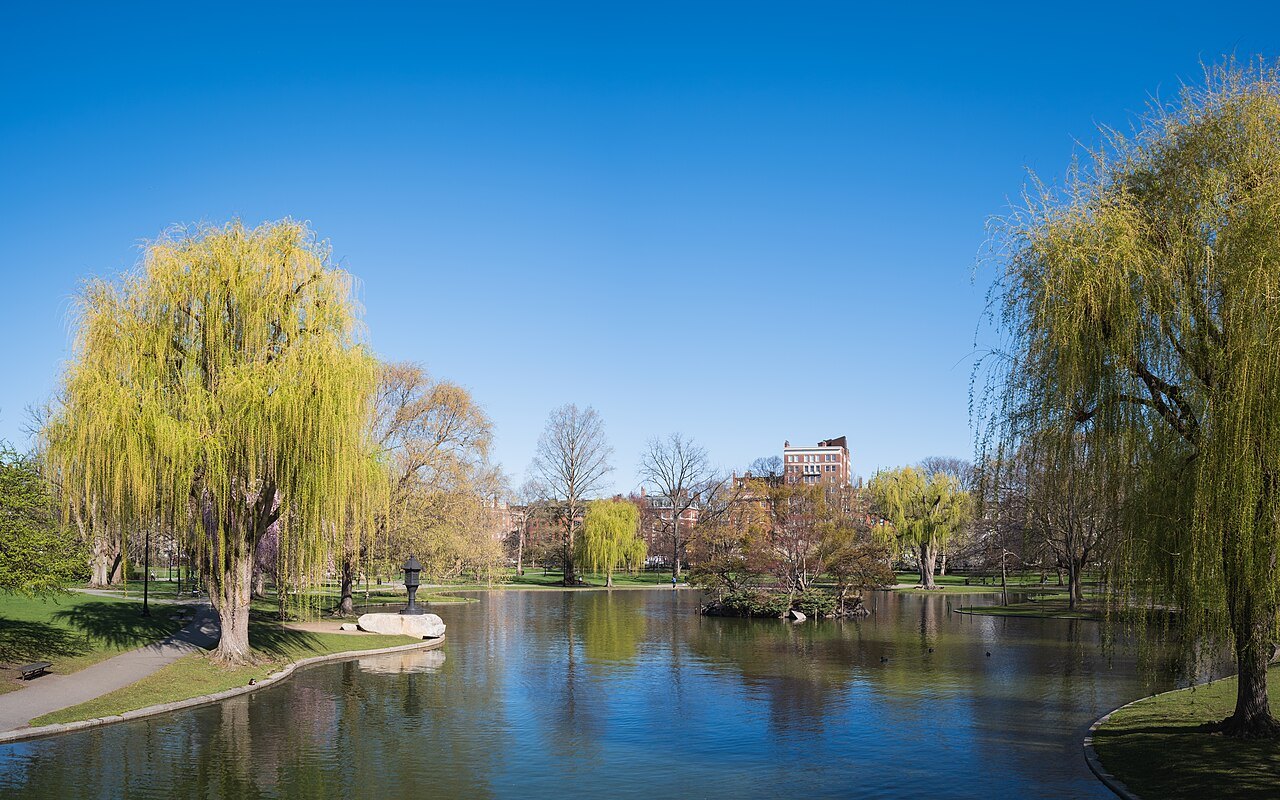 Greater Boston · Beacon Hill2Boston Common and the Public GardenThe oldest city park in the United States, fifty acres, with the Public Garden, the first public botanical garden in America, beside it.
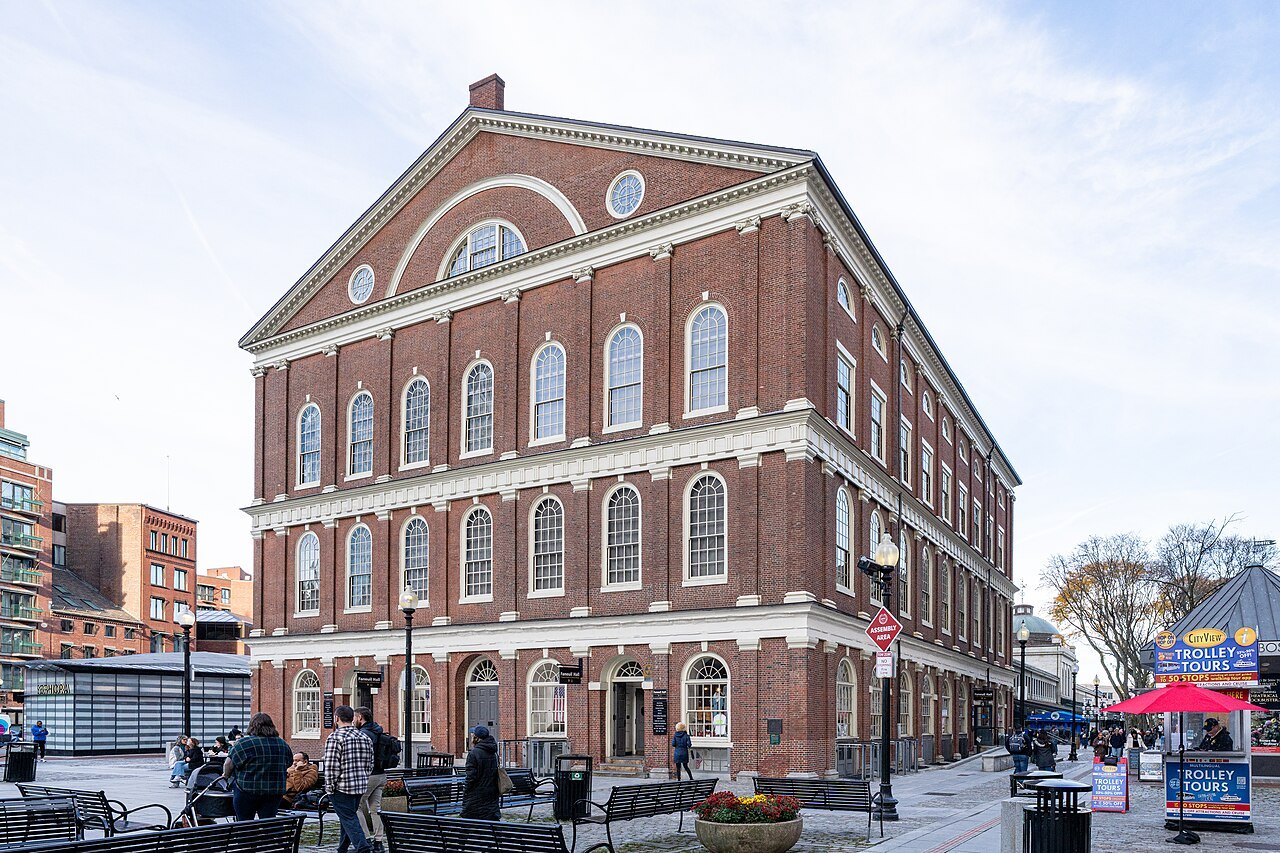 Greater Boston · Downtown3Faneuil Hall and Quincy MarketJohn Smibert's market and meeting hall of 1742, the Cradle of Liberty, beside Alexander Parris's three market buildings of 1826.
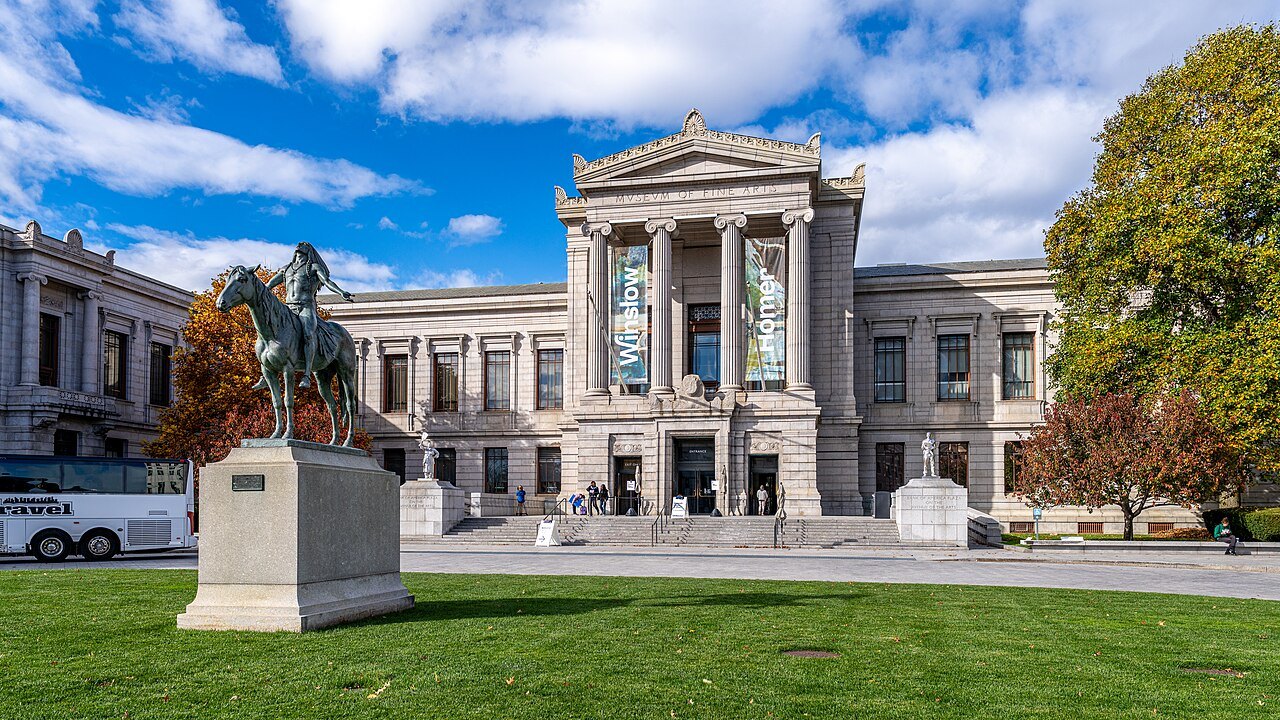 Greater Boston · the Fenway4The Museum of Fine Arts, BostonFounded in 1870 and on the Fenway since 1909, with more than 450,000 works of art.
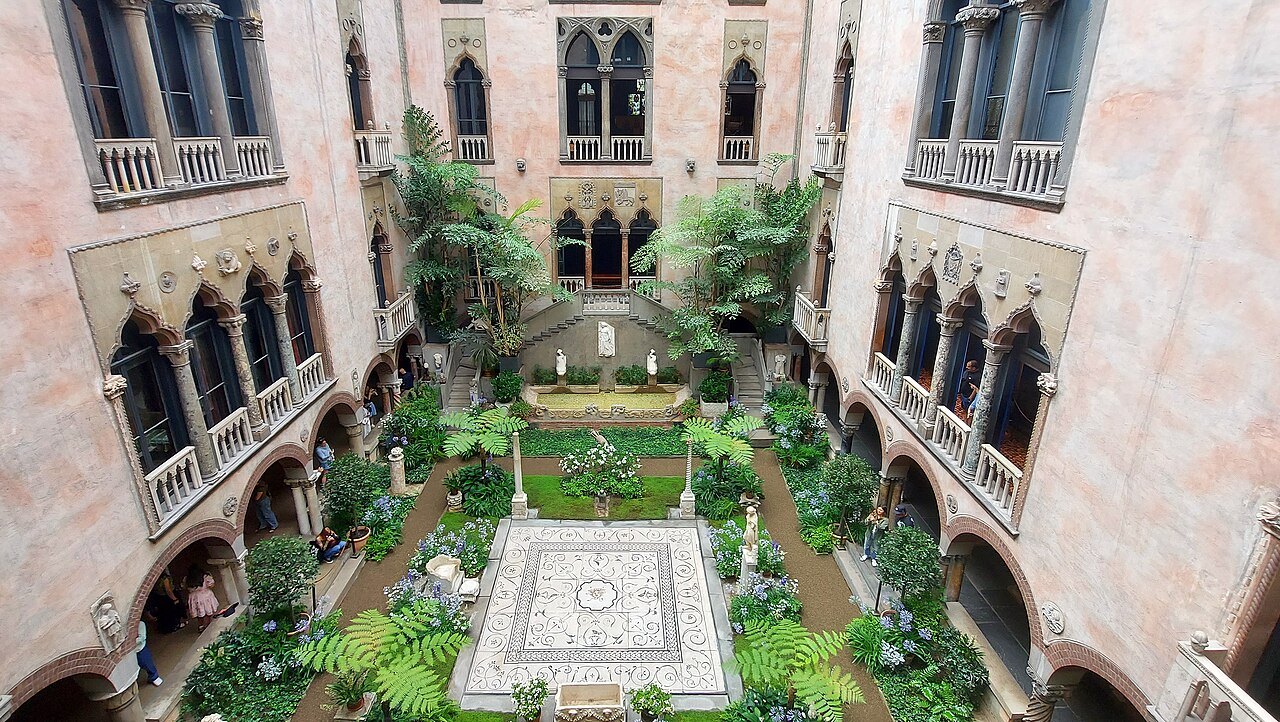 Greater Boston · the Fenway5The Isabella Stewart Gardner MuseumOne collector's house of art, opened in 1903, with a wing by Renzo Piano completed in 2012.
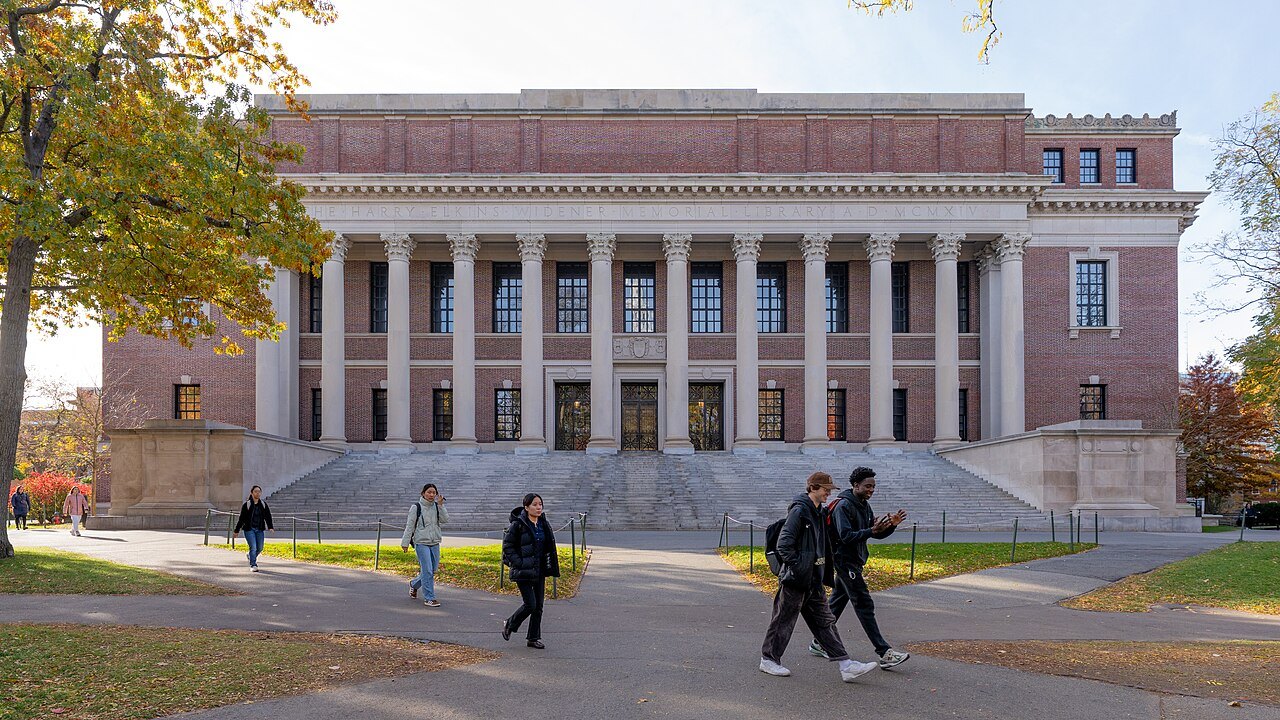 Greater Boston · Cambridge6Harvard YardThe oldest part of Harvard, grown around a parcel bought in 1637, behind a fence with twenty-seven gates.
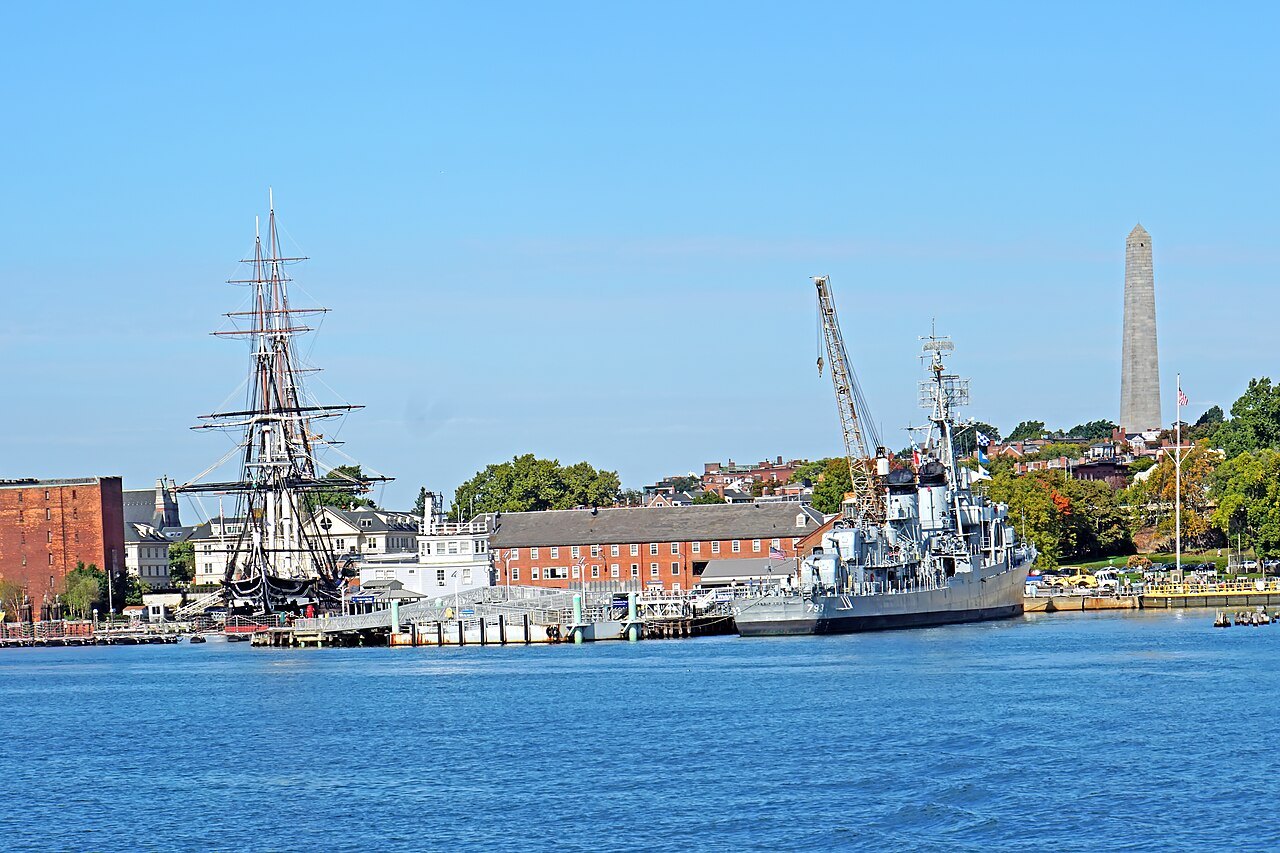 Greater Boston · Charlestown7USS Constitution and Bunker HillOld Ironsides, launched in 1797 and the oldest naval vessel still afloat, below the 221-foot granite obelisk of Bunker Hill.
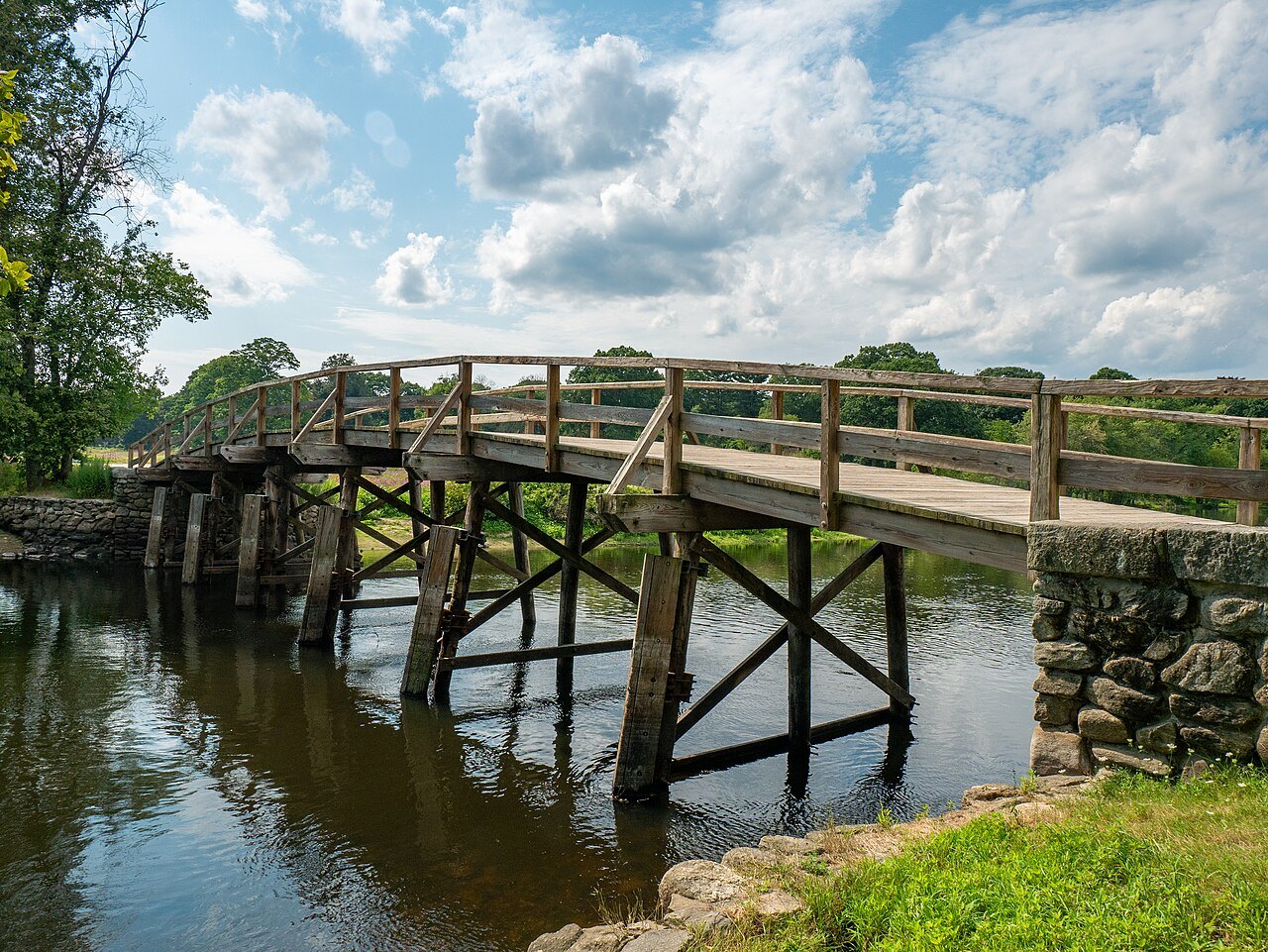 Greater Boston · Concord8Lexington, Concord and the Old North BridgeLexington, Lincoln and Concord, where the Revolutionary War began on April 19, 1775, and the North Bridge rebuilt in 1956.
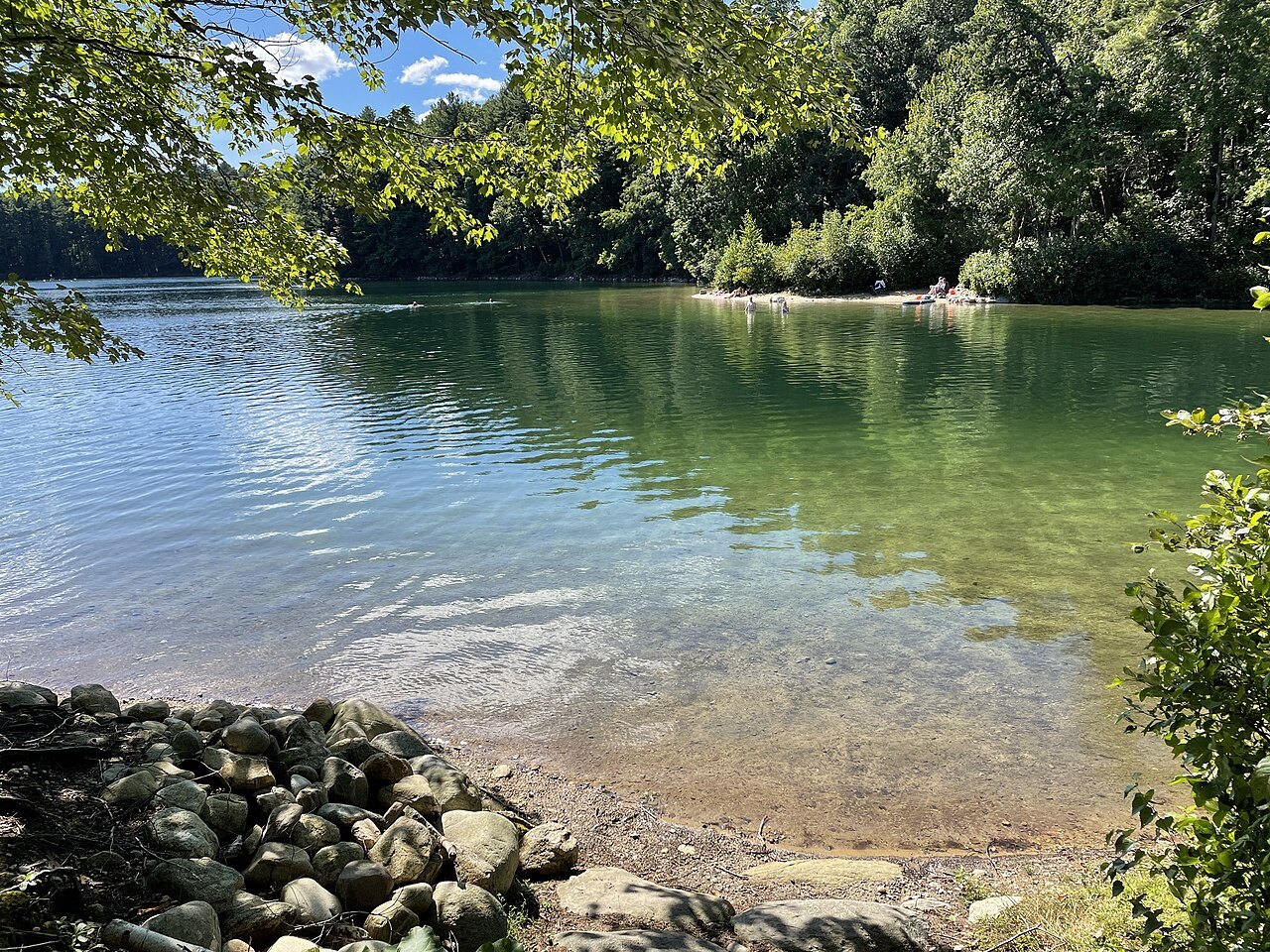 Greater Boston · Concord9Walden PondA kettle hole left by the glaciers, where Henry David Thoreau lived two years in a cabin on the shore.
The North Shore
Granite, fishing harbors and paintersThe South Shore and South Coast
The Pilgrims' harbor and the whaling city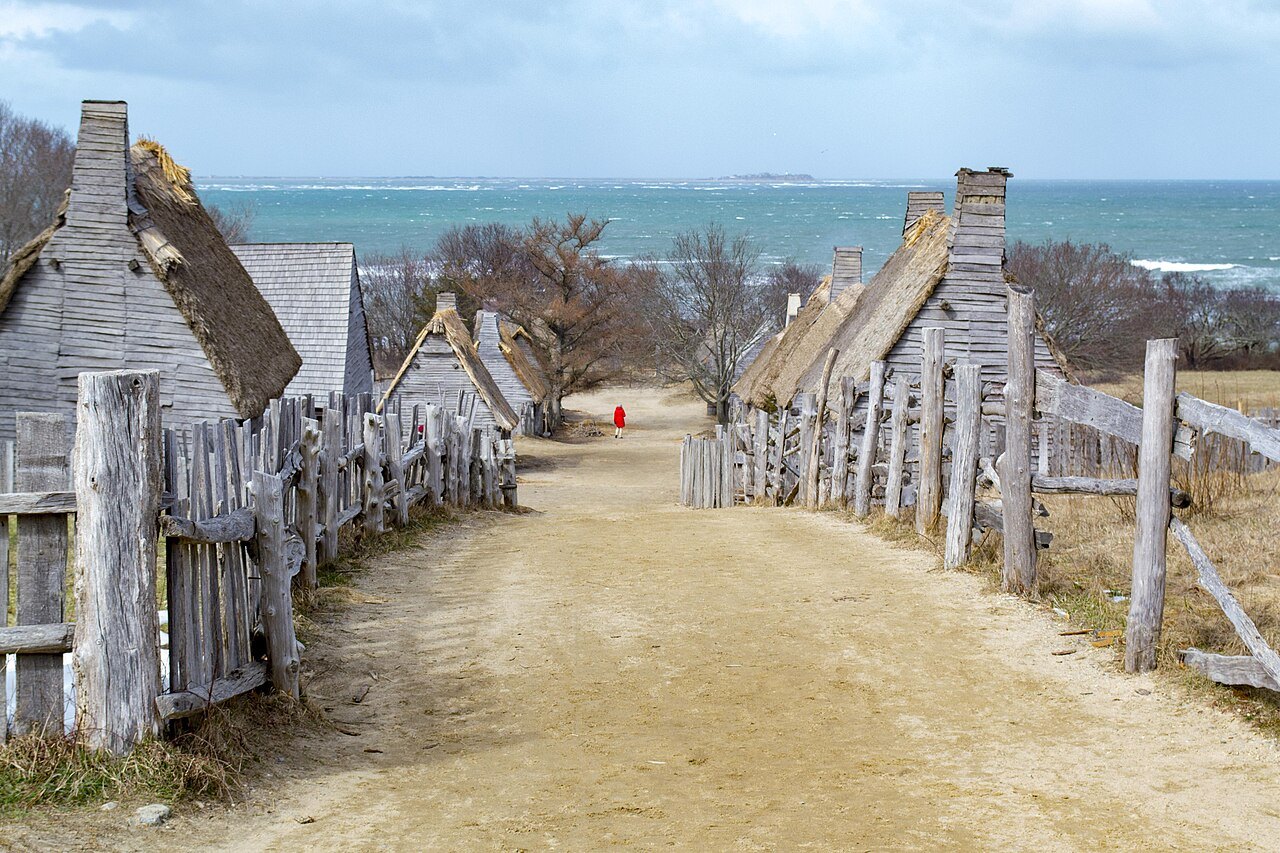 South Shore · Plymouth11Plimoth Patuxet and the Mayflower IIA living history museum founded in 1947, with an English Village of 1627, a Wampanoag Homesite and the Mayflower II.
 South Coast · New Bedford12New Bedford, the Whaling CityThe world's preeminent whaling port of the nineteenth century, remembered across thirteen city blocks.
Cape Cod and the Islands
Dunes, lighthouses and the ferries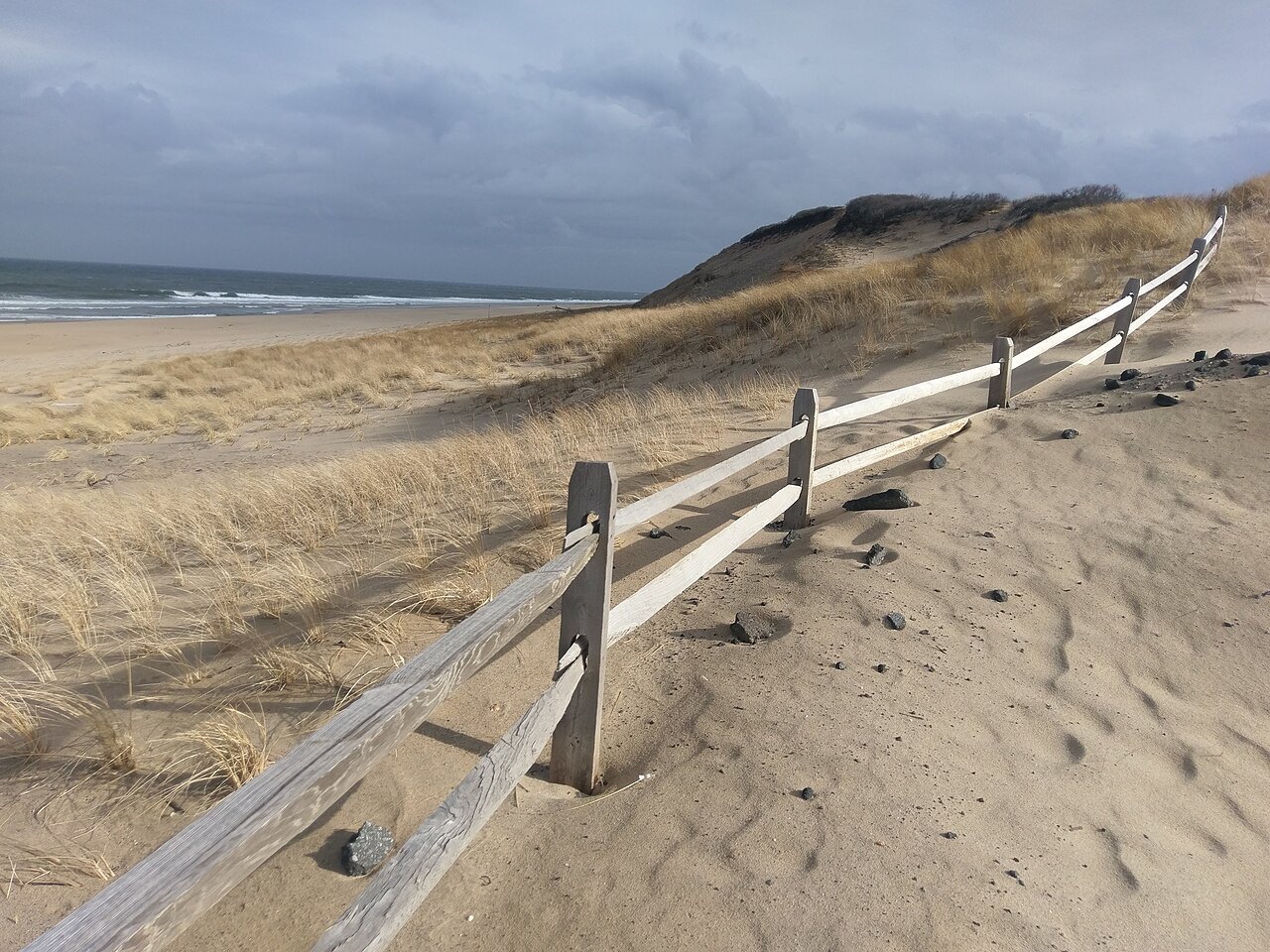 Cape Cod · the Outer Cape13Cape Cod National SeashoreNearly forty miles of Atlantic shore from Chatham to Provincetown, set aside on August 7, 1961.
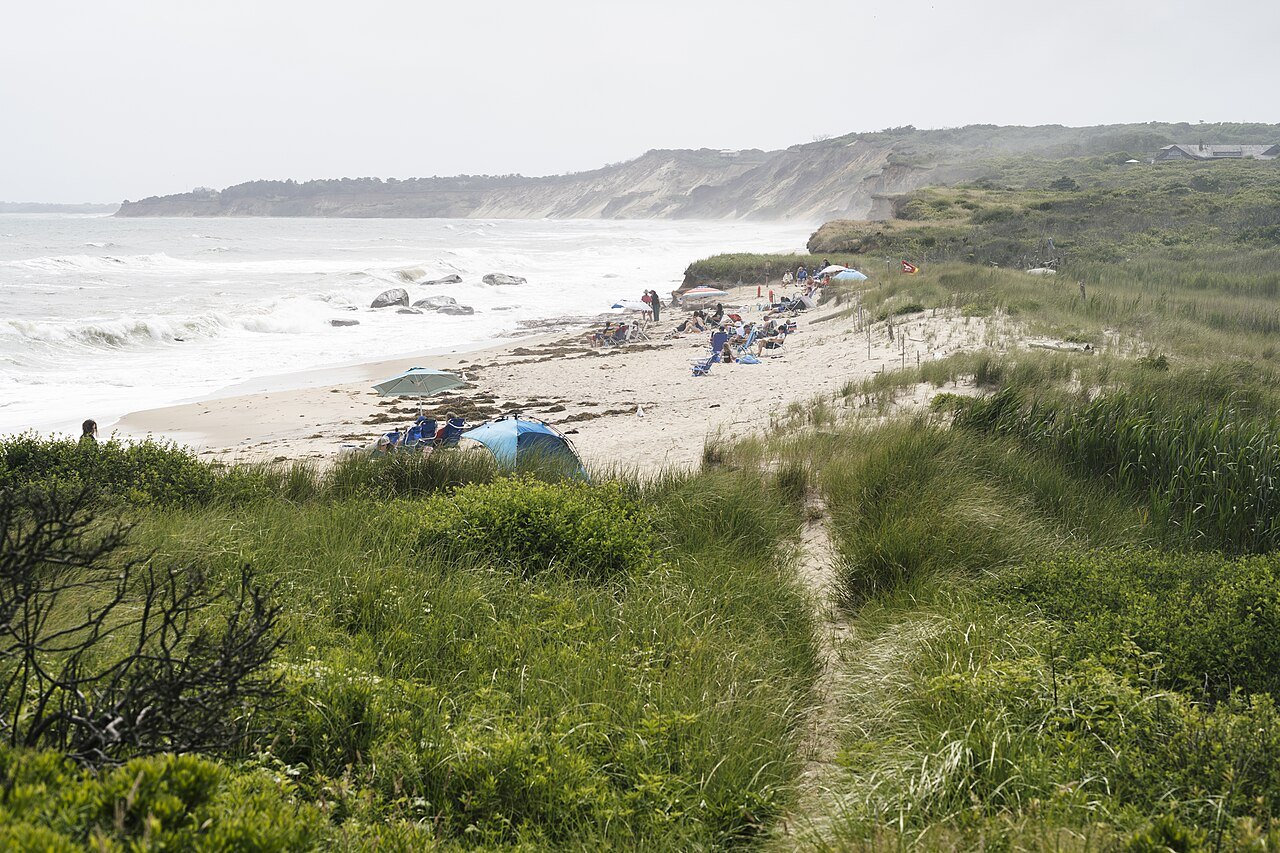 The Islands · Dukes County14Martha's VineyardNoepe in Wampanoag: an island of about 96 square miles south of Cape Cod, with the clay cliffs of Aquinnah.
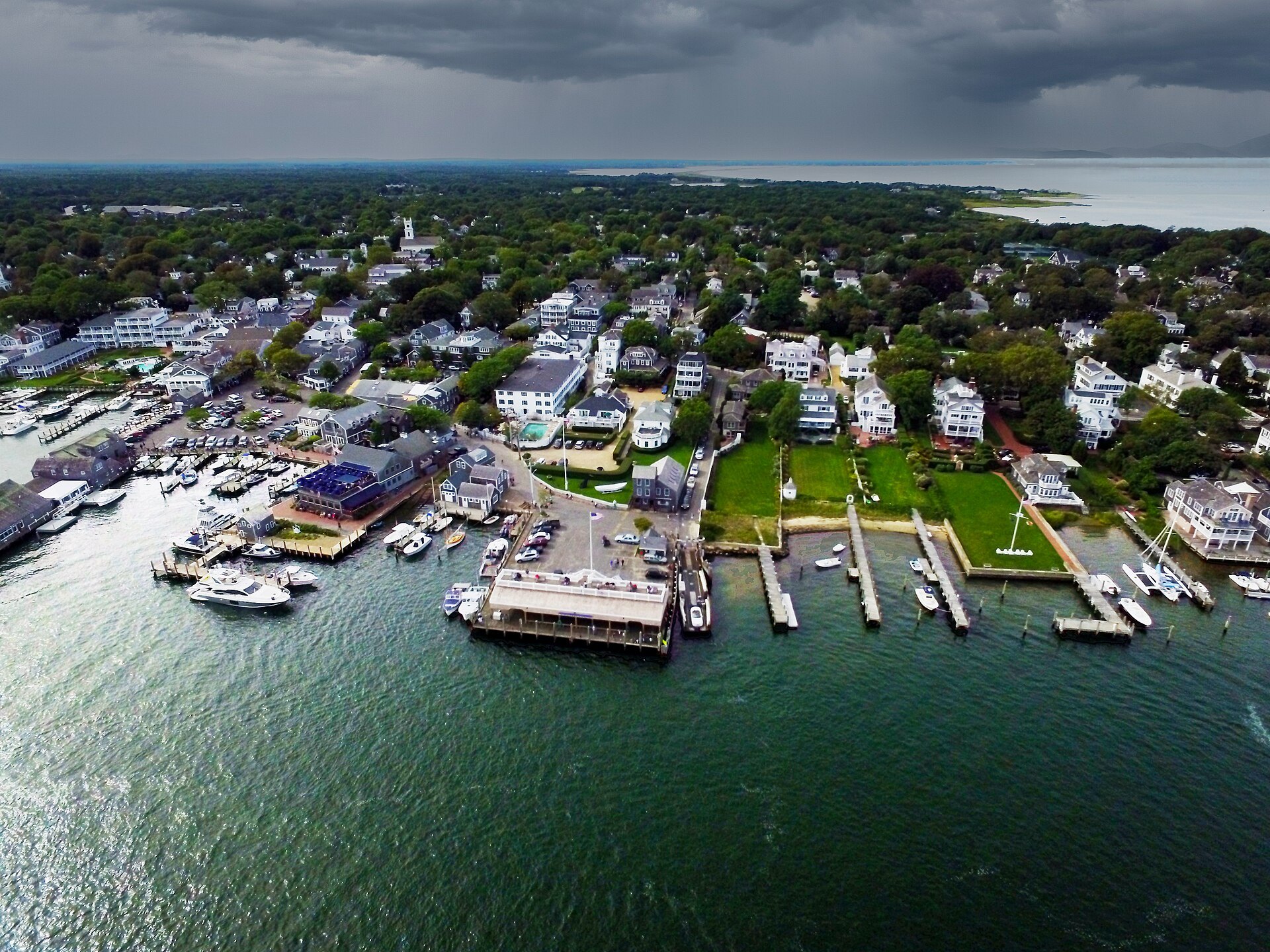
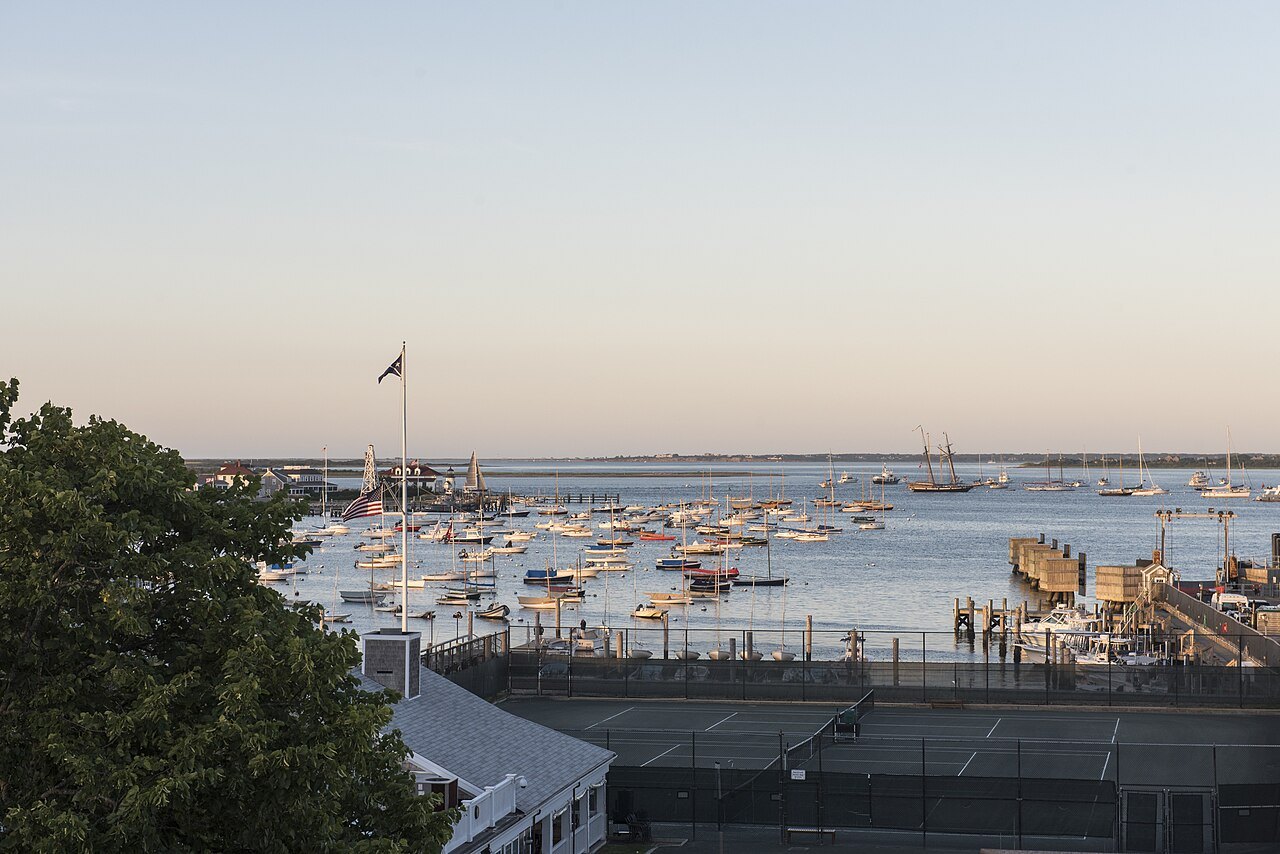
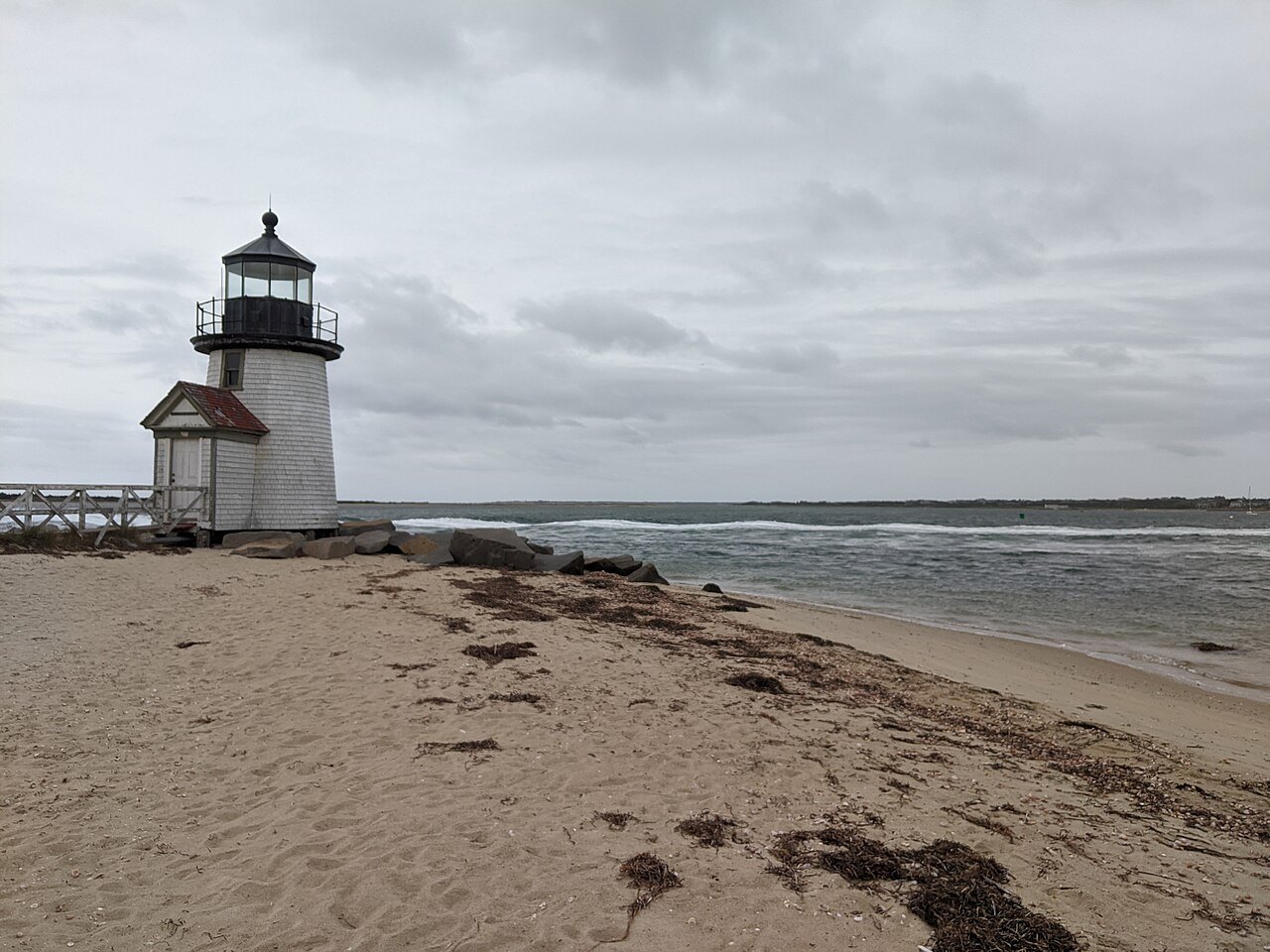 The Islands · Nantucket15NantucketAn island about thirty miles south of Cape Cod and the southeasternmost town in Massachusetts.
Central Massachusetts
Rolling, rocky hillsThe Berkshires
The hill country of the far west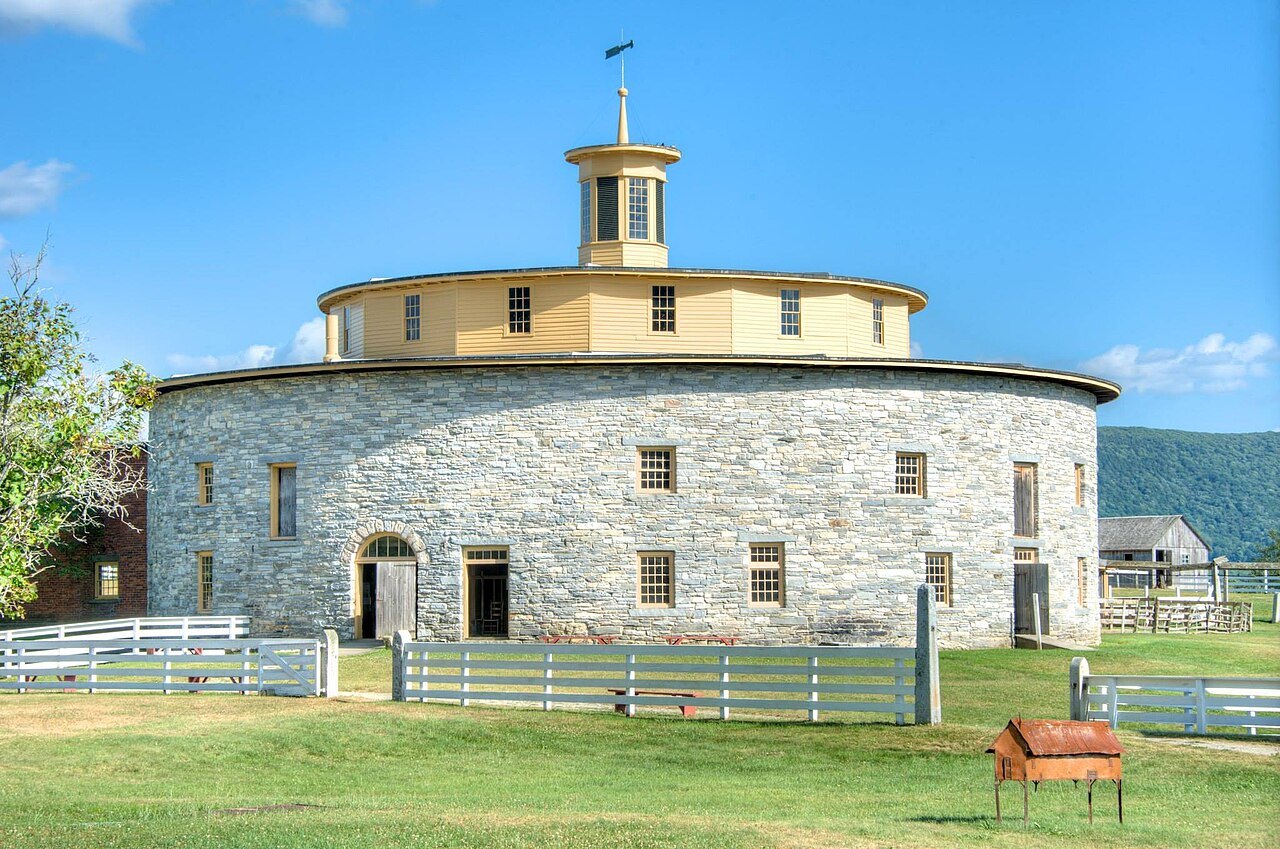 The Berkshires · Pittsfield17Hancock Shaker VillageA Shaker village from 1790 to 1960, the third of nineteen, with its Round Stone Barn of 1826.
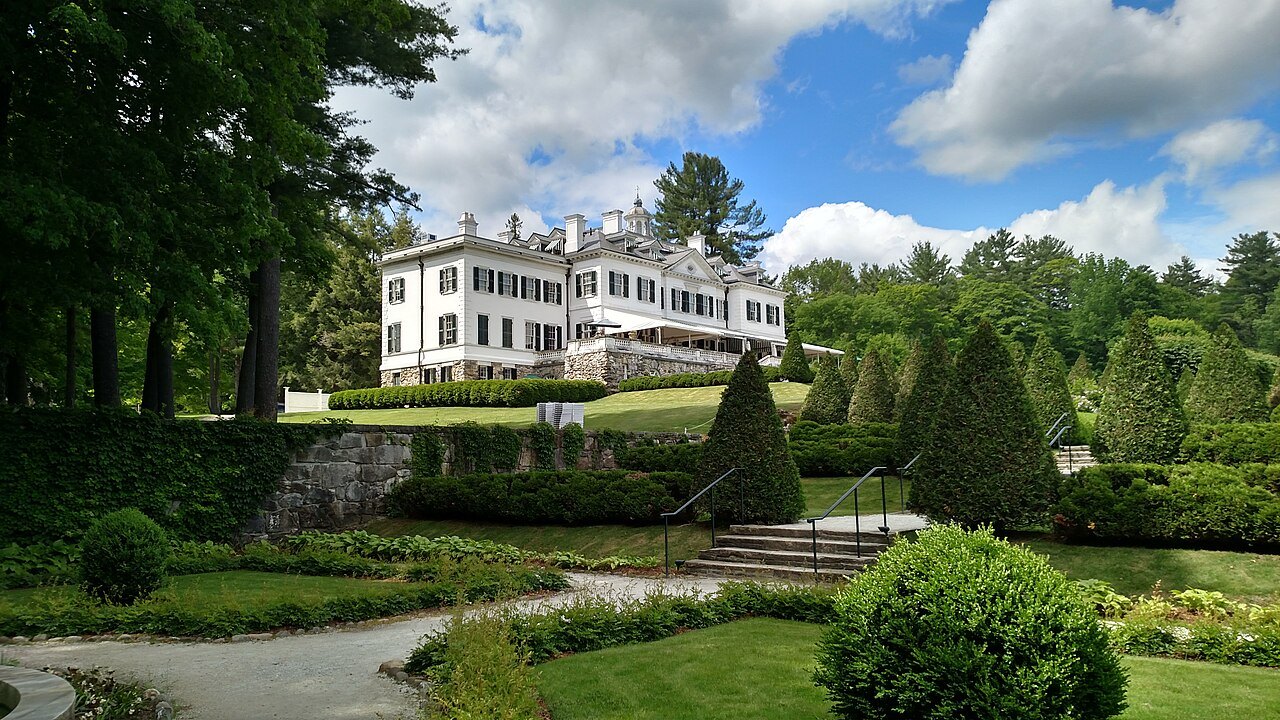 The Berkshires · Lenox18The Mount, Edith Wharton's HouseEdith Wharton's country house of 1902, which she designed with its grounds and called her first real home.
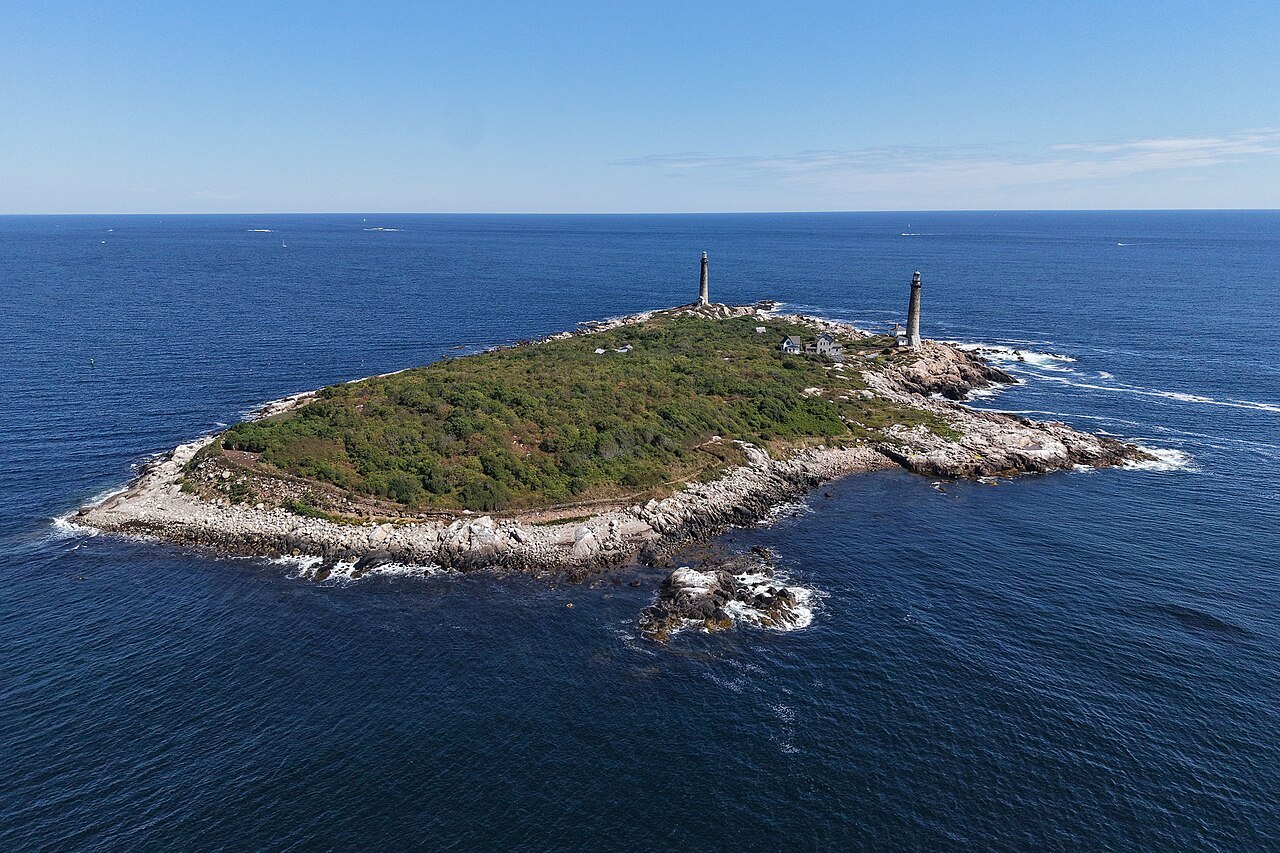
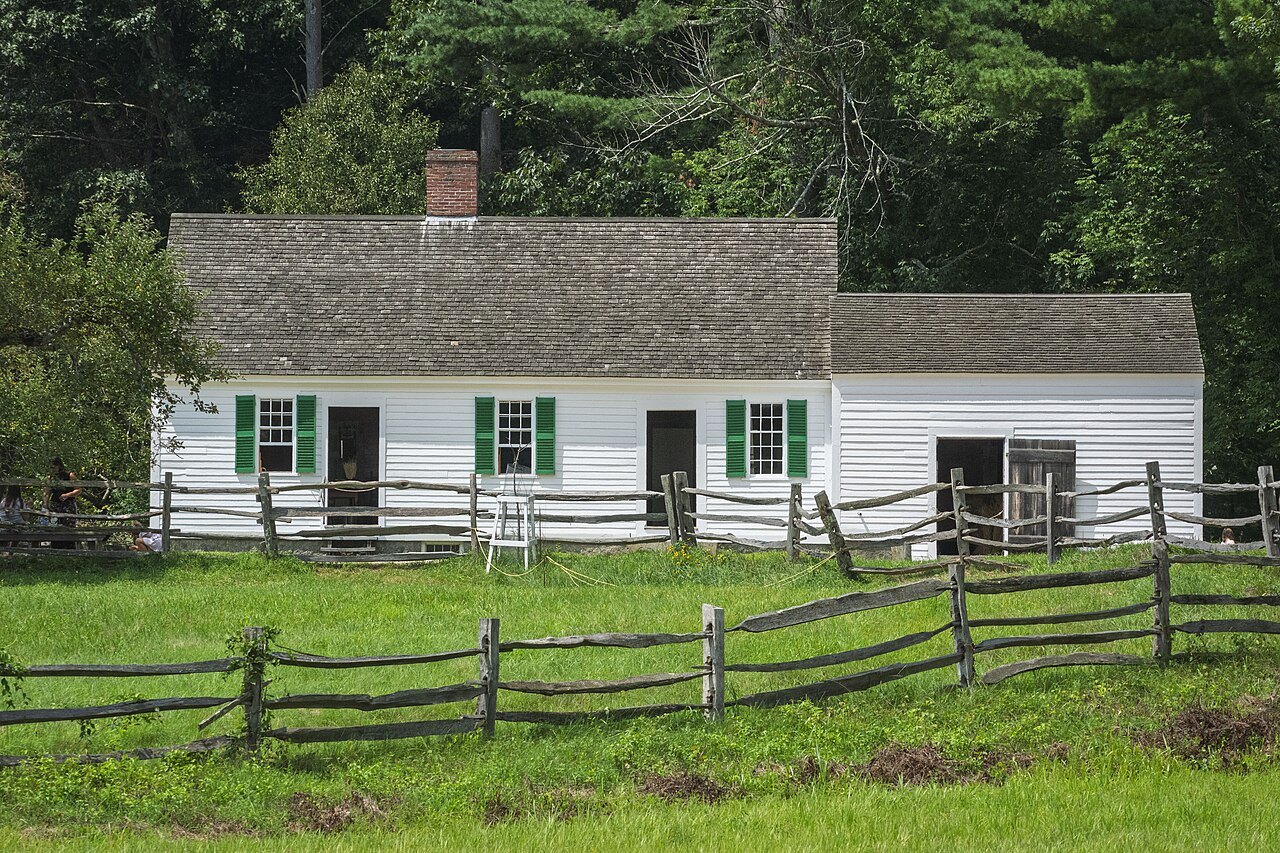
In fullII
The Landmarks
Eighteen places
These are the places that best explain Massachusetts: where the Revolution began, where the Pilgrims landed, where the whaling ships sailed from, where Thoreau and Wharton wrote, and the coast, islands and hills that have drawn visitors for more than a century. Each has its own page with its history, what you see there and how to visit.
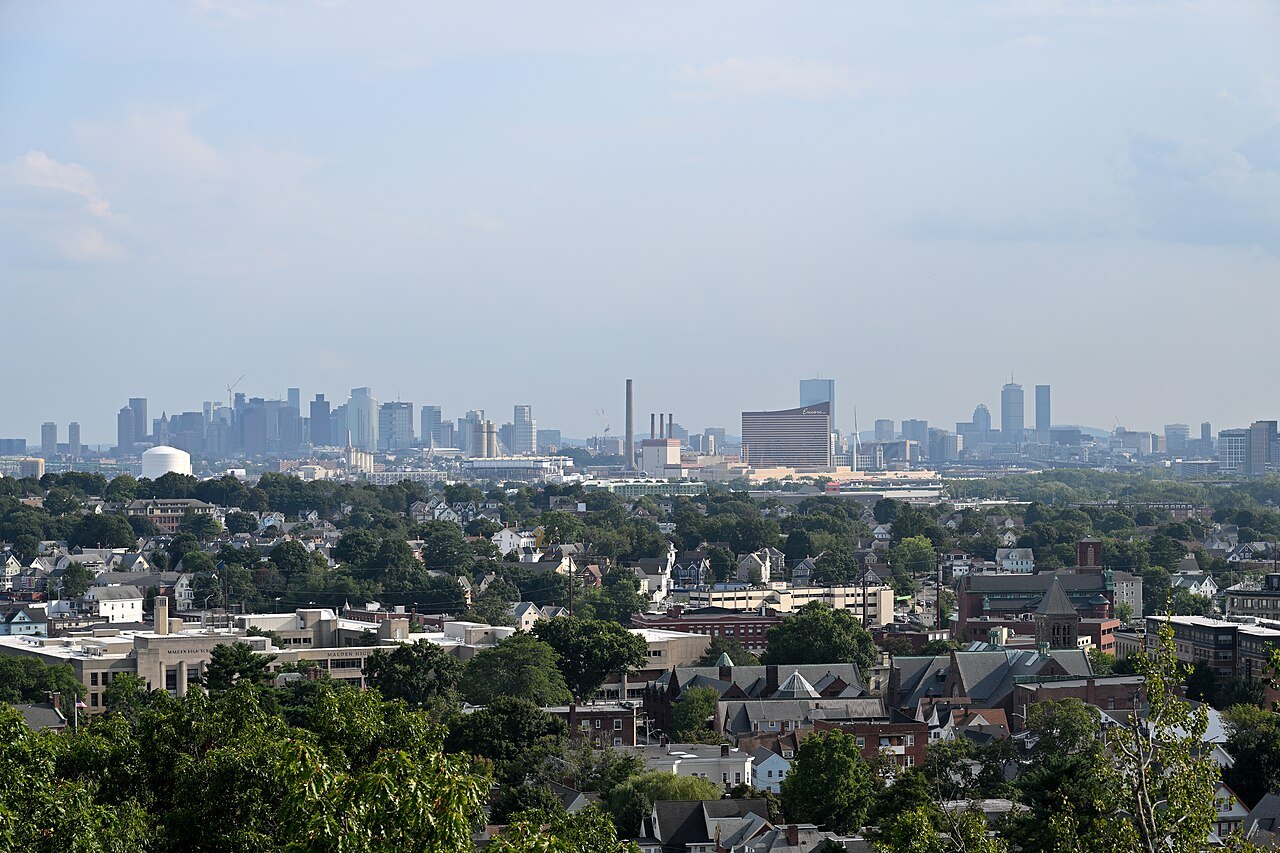
They are grouped here by region, starting in Greater Boston, where half of them stand, and working outward to the coast, the islands and the hills. The city guides cover the six towns best used as bases, and the itineraries join the landmarks into days.
Greater Boston: the city
Boston's landmarks lie close together, and most can be joined on foot. The Freedom Trail is the obvious start, a walking path of two and a half miles linking sixteen places from the years before and during the Revolution, marked by a red line on the sidewalk. It begins on Boston Common, the oldest city park in the United States, set aside in 1634, beside the Public Garden of 1837 with its lagoon and Swan Boats.
Along the trail stands Faneuil Hall, the market and meeting hall of 1742 that Boston calls the Cradle of Liberty, with the granite market buildings of 1826 behind it. At the trail's far end, across the river in Charlestown, USS Constitution, Old Ironsides, launched in 1797, lies at the old navy yard below the granite obelisk of the Bunker Hill Monument.
Greater Boston: the museums and the river
Two great museums stand a few minutes apart on the Fenway. The Museum of Fine Arts holds more than 450,000 works, one of the most comprehensive collections in the Americas, with a rotunda painted by John Singer Sargent. The Isabella Stewart Gardner Museum is a Venetian palace built by one collector, opened in 1903 and kept as she arranged it around a glass-roofed garden court.
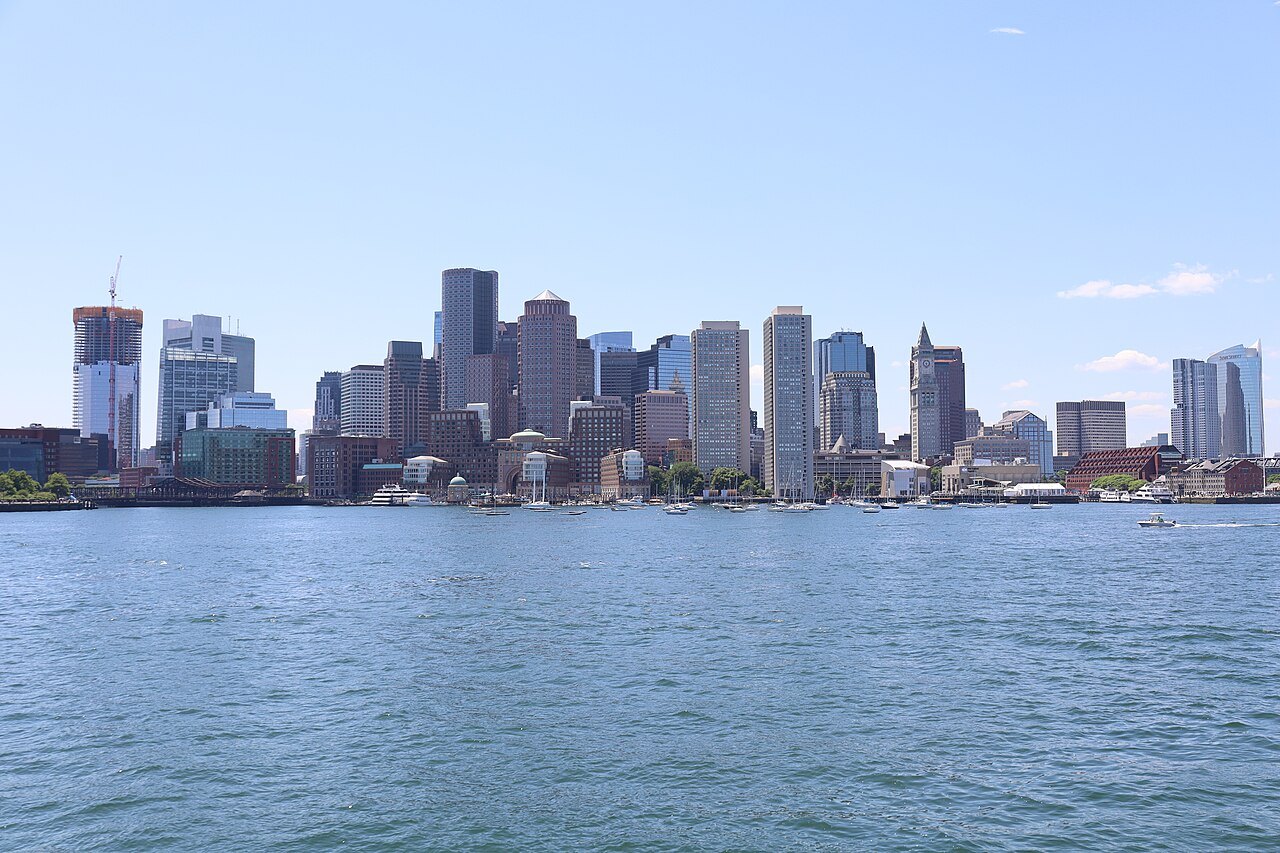
Across the Charles, Harvard Yard is the oldest part of the oldest university in the country, grown from a parcel bought in 1637: a lawn of elms and brick halls behind twenty-seven gates, with the Widener Library and Memorial Church facing each other across the middle.
Greater Boston: the first battle
West of the city lies the countryside where the Revolutionary War began. At Minute Man National Historical Park you can follow the events of April 19, 1775 from the Battle Green in Lexington along five miles of the Battle Road to the North Bridge in Concord, where the militia fired the shot heard round the world.
A short drive south of Concord is Walden Pond, the glacial kettle pond where Henry David Thoreau lived for two years from 1845 and wrote Walden, published in 1854. It is now a state reservation for walking and swimming, with the site of his cabin marked on the north shore. Together the two make an easy day from Boston by car or commuter train.
The North Shore and the South Coast
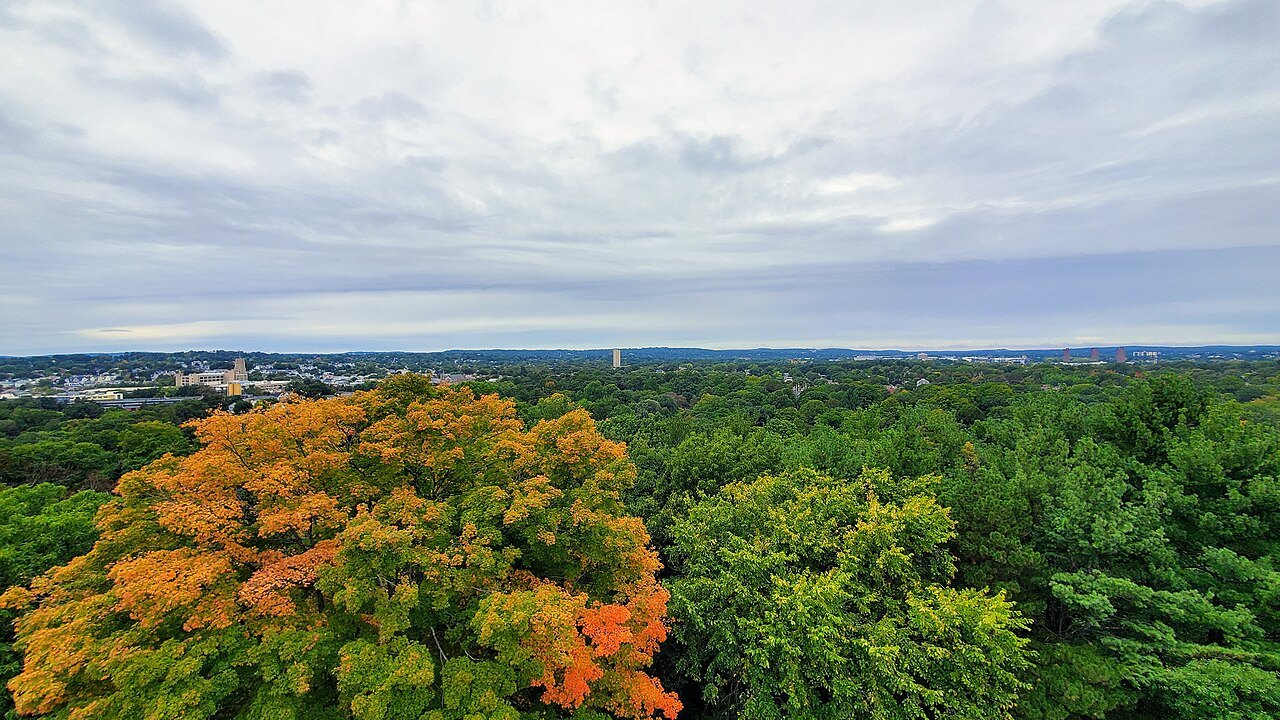
North of Boston, Cape Ann is a rocky granite peninsula with two harbor towns: Gloucester, the old fishing port with its fisherman's memorial, and Rockport, whose red fishing shack on Bradley Wharf, Motif Number 1, is called the most often-painted building in America.
South of Boston lie the Pilgrims and the whalers. Plimoth Patuxet recreates Plymouth Colony as it stood in 1627, with a Wampanoag Homesite beside it and the Mayflower II on the town waterfront. Farther along the coast, New Bedford was the world's preeminent whaling port of the nineteenth century, remembered in a national historical park across thirteen city blocks, with the Whaling Museum and the Seamen's Bethel of Moby-Dick.
Cape Cod and the islands
On the outer arm of Cape Cod, the Cape Cod National Seashore, set aside in 1961, protects nearly forty miles of Atlantic shore: high sand cliffs and dunes, kettle ponds and pine woods, and a chain of lighthouses from Nauset to Race Point.
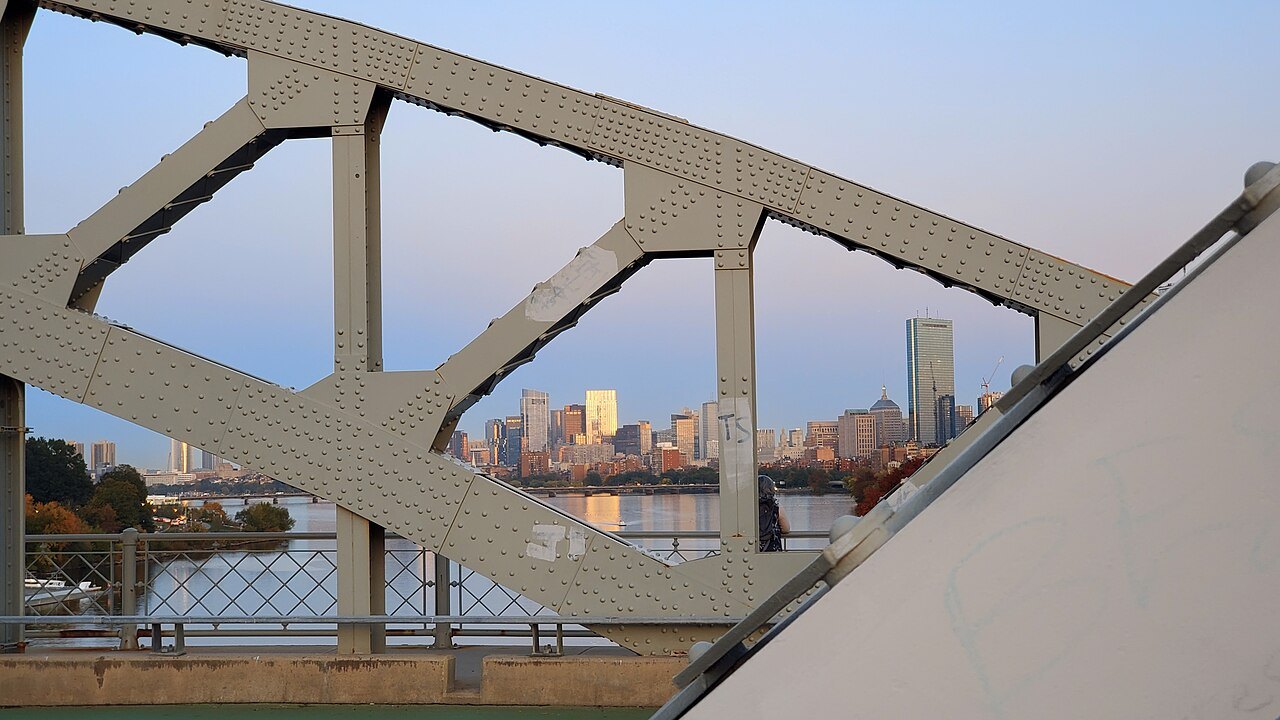
Off the south coast, reached by ferry, lie the two islands. Martha's Vineyard, Noepe in Wampanoag, is an island of about 96 square miles with the whaling captains' houses of Edgartown, the gingerbread cottages of Oak Bluffs and the clay cliffs of Aquinnah. Nantucket, some thirty miles out to sea, was once the whaling capital of the world, and its town is among the finest surviving New England seaports of the late 1700s and early 1800s.
Central Massachusetts and the Berkshires
In the rolling hills of the center, Old Sturbridge Village is New England's largest living museum: a country town of the 1790s to the 1830s on more than two hundred acres, with 59 antique buildings brought from across the region, water-powered mills and a working farm.
In the far west, the Berkshires hold two more. Hancock Shaker Village, a Shaker community from 1790 to 1960, is now an open-air museum of twenty buildings, among them the Round Stone Barn of 1826. In Lenox, the Mount is the country house Edith Wharton designed for herself in 1902, where she wrote The House of Mirth, with its terrace and restored gardens.
Choosing among them
With only a few days, keep to Greater Boston: the Freedom Trail, the museums, Harvard and the first battle can fill three days without a car. With a week, add either the coast, Plymouth, the Cape and an island, or the west, Sturbridge and the Berkshires; with two weeks, see both. The history is best in spring and autumn, the coast in summer, the Berkshires in summer for the stages and autumn for the leaves. When to Come has the details month by month, and Driving and Getting Around explains how to reach each one.
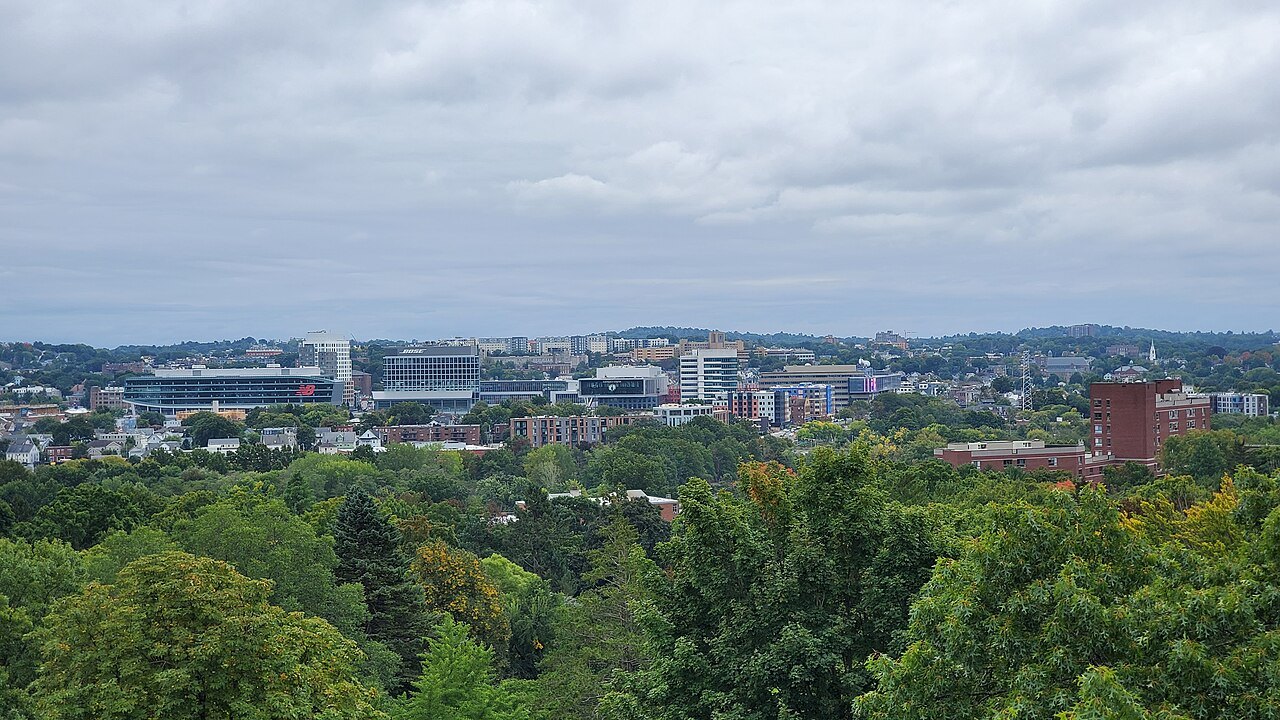
Some of these places are landscapes and streets, free to walk in any season: the Common, the Freedom Trail's sidewalks, the Battle Road, the seashore beaches and the Walden shore. Others are museums with admission and seasonal hours, and the living history museums, Plimoth Patuxet, Old Sturbridge Village and Hancock Shaker Village, run their fullest programs from spring to autumn. Check each place's own website for hours and tickets before you go, and allow at least half a day for each of the museum villages.