Home · When to Come
The yearI
Month by month
- JanuaryThe coldest month: in Boston highs average in the thirties Fahrenheit and lows near twenty. Snow is likely, and nor'easters bring the big storms. Museums are quiet.
- FebruaryStill deep winter, with the hills under snow; a good month for the Boston museums and for skating on the Frog Pond.
- MarchLate winter, changeable and often raw. Snowstorms remain possible; the islands and the Cape are at their quietest.
- AprilPatriots' Day, the third Monday, brings battle reenactments at Lexington and Concord and the Boston Marathon. Springs are generally wet and cloudy.
- MaySpring arrives, though a late-May day on the coast can stay cool off the cold sea. The Salem Ferry and many seasonal boats begin.
- JuneEarly summer: long days, the island ferries on their summer timetables, Boston's pride parade and festival, and the CapeFLYER on weekends.
- JulyThe hottest month, humid, with Boston highs in the low eighties. The Fourth brings Harborfest and the Boston Pops on the Charles; Tanglewood's season is in full swing.
- AugustHigh summer on the Cape and islands, with Nantucket's population near eighty thousand. Thunderstorms are common; book beds and ferries early.
- SeptemberAfter Labor Day the beaches empty and the sea stays warm; the Cape's mild autumn is at its best.
- OctoberThe famous foliage in the hills, the Head of the Charles regatta on the river between Boston and Cambridge, cranberry bogs flooded for the harvest, and Salem at its busiest.
- NovemberThe leaves are down and the crowds gone; Plymouth remembers the harvest feast of 1621 that became the First Thanksgiving.
- DecemberWinter returns. Boston ends the year with First Night on New Year's Eve.
In fullII
When to Come
The climate in brief
Massachusetts has a humid continental climate: hot, humid summers, cold and snowy winters, and abundant rain, about forty-three inches a year, spread fairly evenly through the months. Summers are warm across the state, with July highs above eighty degrees Fahrenheit and nights above sixty common; heat above ninety and cold below ten are not unusual, but rarely last long.
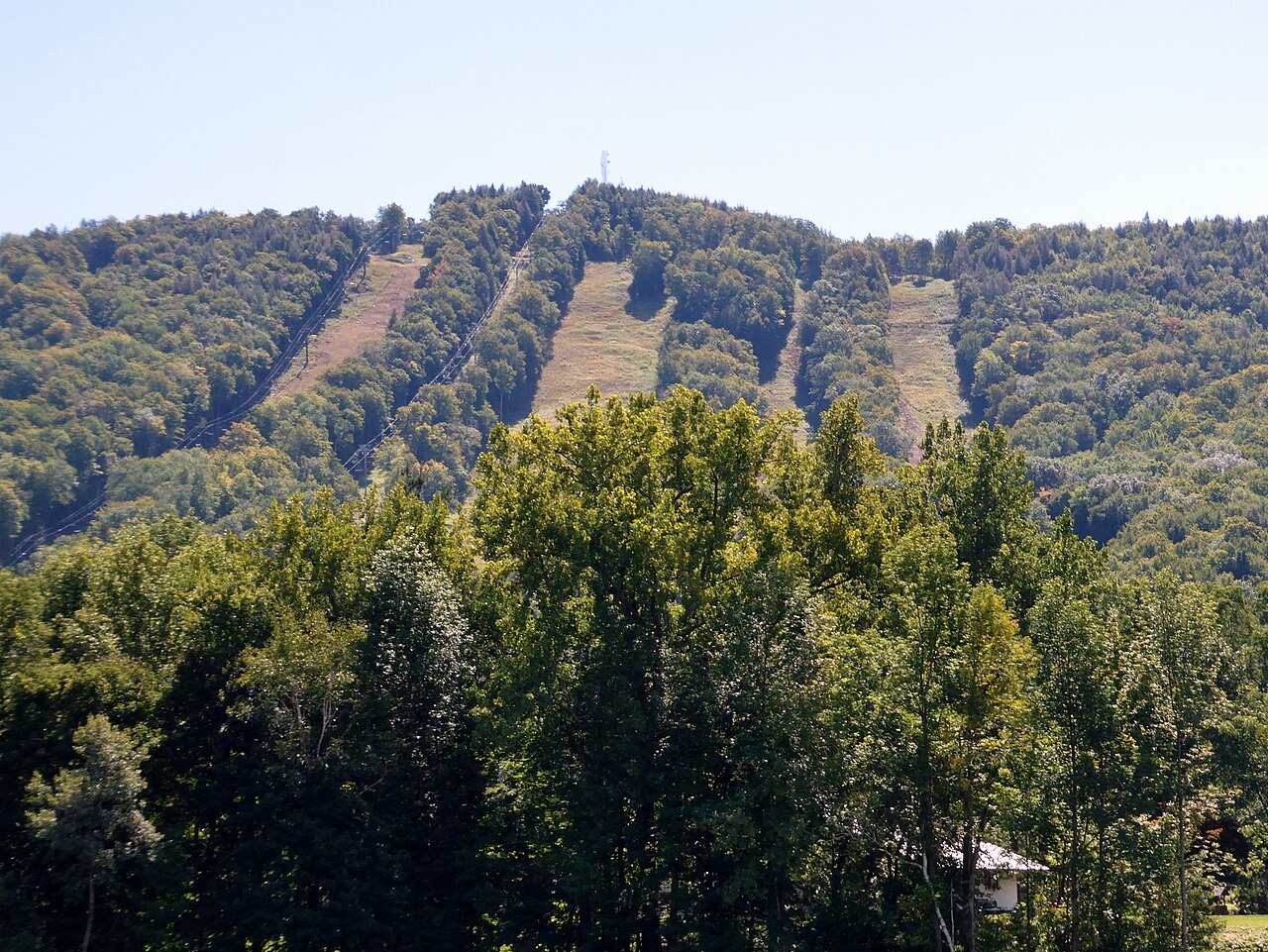
The coast and the interior differ sharply. Cape Ann, parts of the South Shore and South Coast, Cape Cod and the islands have an oceanic climate, tempered by the North Atlantic, with winter highs on the coast averaging above freezing even in January. Farther inland it is much colder, and in the higher hills of the west snowfall can exceed a hundred inches a year.
Spring
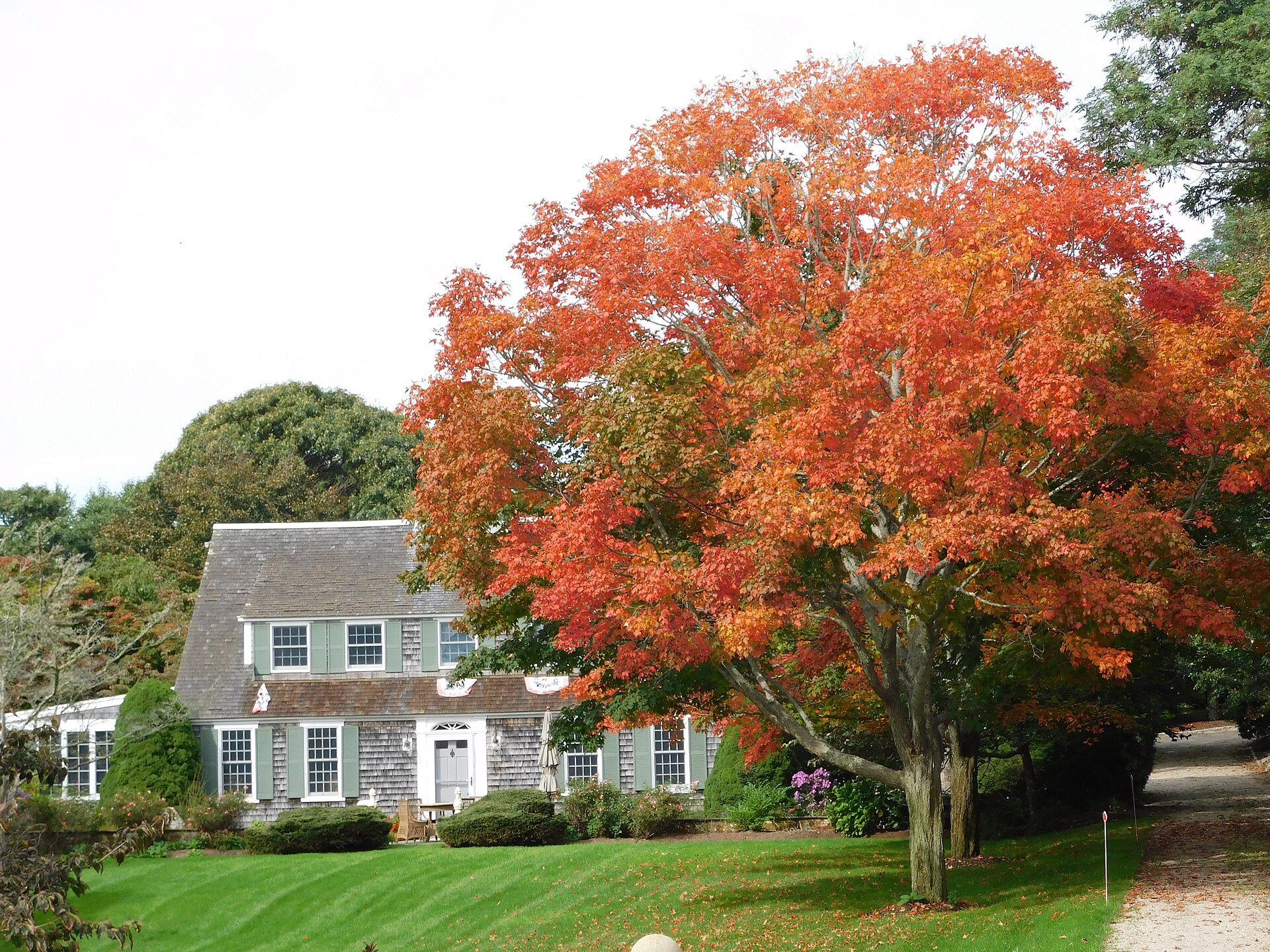
Spring comes late and hesitantly. New England springs are generally wet and cloudy, and on the coast the cold sea holds the season back: a warm offshore wind can push Boston into the nineties, while a late-May day with the wind off the water can stay in the forties. Cape Cod is known for its delayed spring for the same reason.
The great spring day is Patriots' Day, the third Monday in April, which commemorates the battles of Lexington and Concord of April 19, 1775, the first of the Revolutionary War. It is celebrated with reenactments at Minute Man National Historical Park and the Battle Green, and with the Boston Marathon. By May the seasonal ferries begin, and the gardens of the Public Garden are in bloom.
Summer
Summer is the season of the coast. Cape Cod has been a summer haven for city dwellers since the end of the nineteenth century, and the islands swell: Nantucket's population rises to around eighty thousand in the summer months. The island ferries run their fullest timetables, the whale watch boats leave Provincetown's pier several times a day, and the CapeFLYER train runs from Boston on summer weekends.
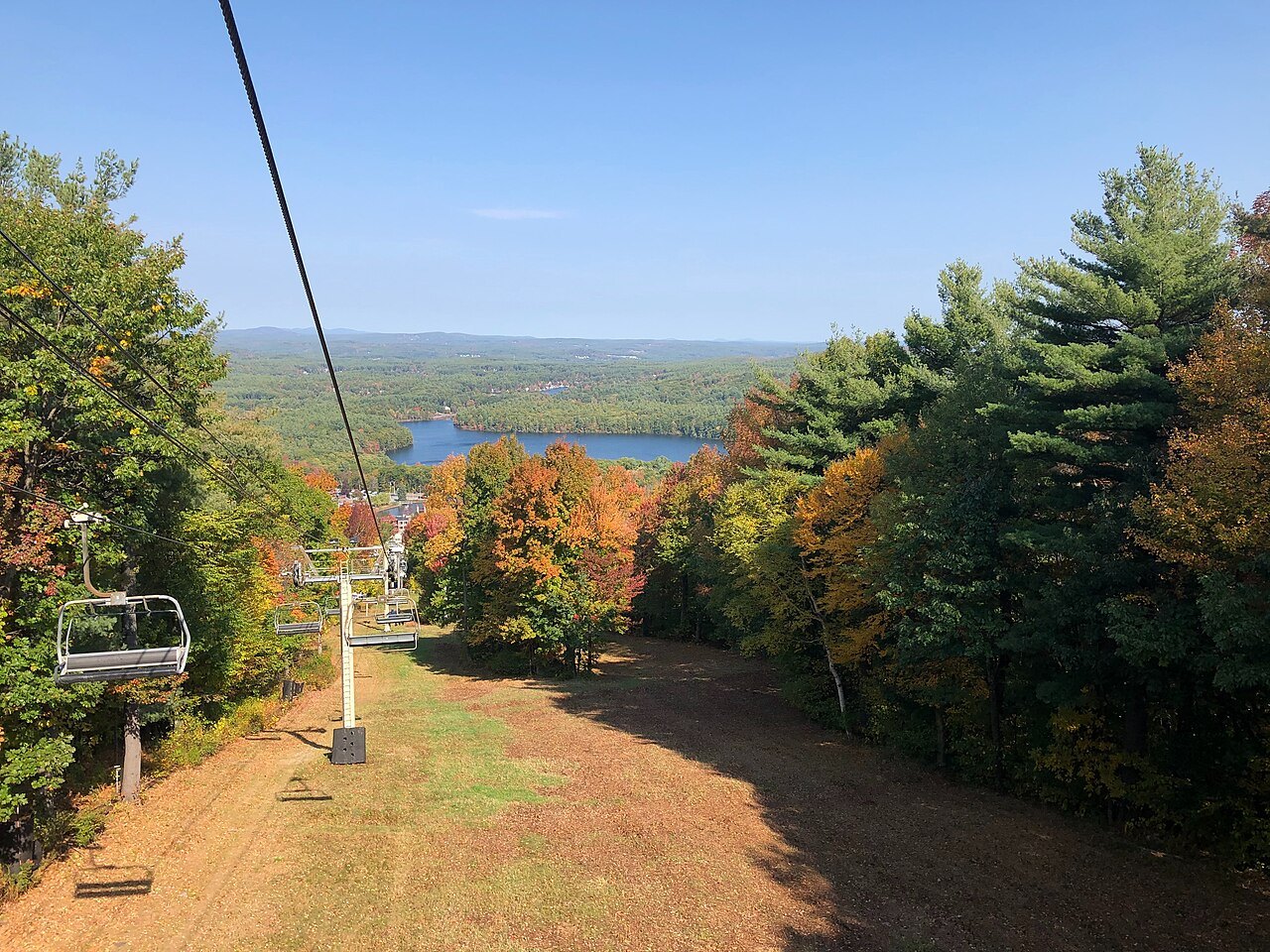
Inland, the Berkshires turn to music, theater and dance. Tanglewood in Lenox has been the summer home of the Boston Symphony Orchestra since 1937, and Jacob's Pillow in Becket is the country's longest-running dance festival. In Boston, June brings the pride parade and festival, the North End holds its Italian summer feasts, and the Fourth of July brings a week of Harborfest and a Boston Pops concert with fireworks on the banks of the Charles.
Summer has its costs: the heat is humid, thunderstorms come on around thirty days a year, and the Cape bridges, the ferries and the island beds are all at their busiest, so book early.
Autumn
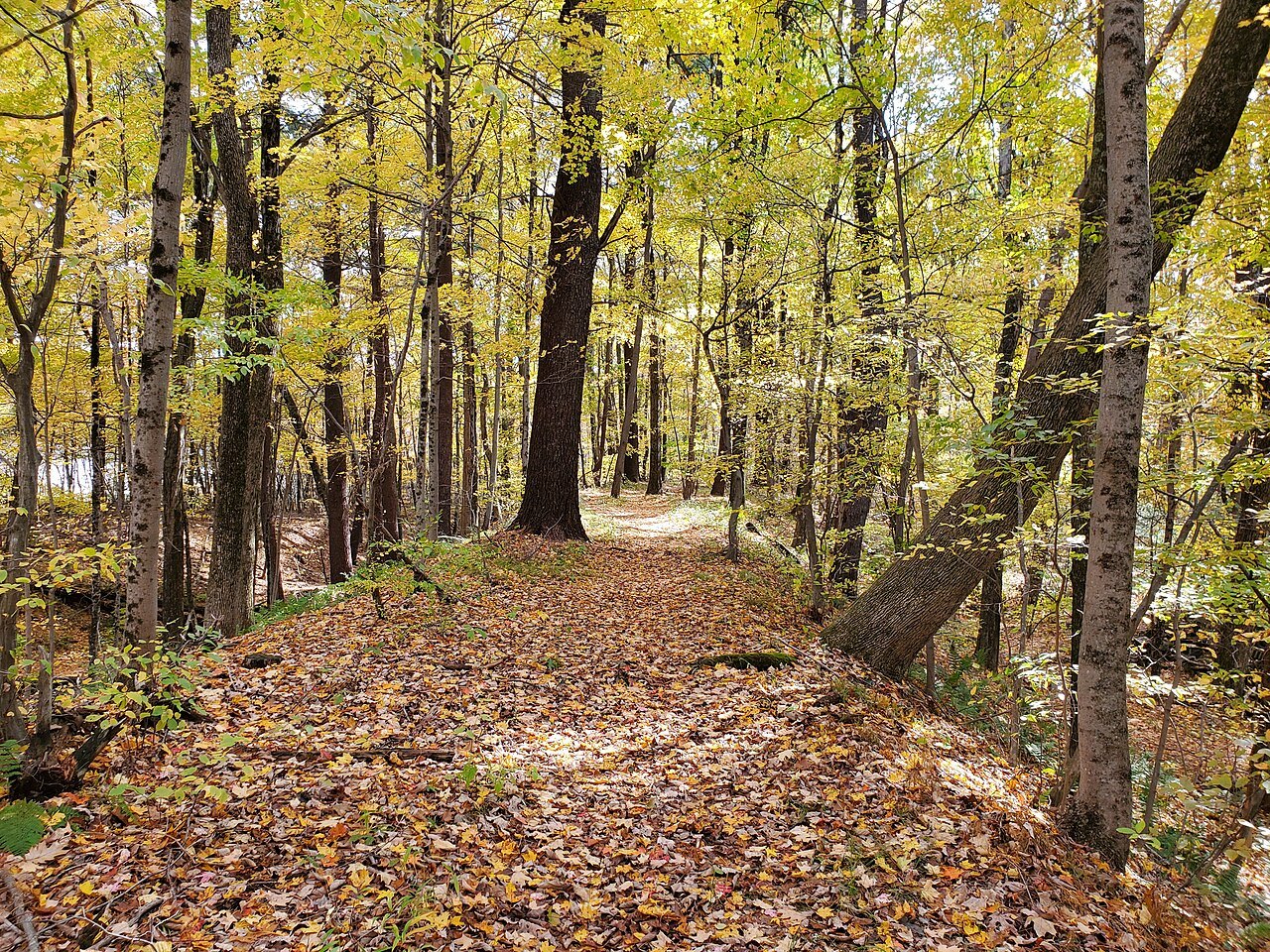
Autumn is the season the state is famous for. New England's thick deciduous forests turn bright and colorful and draw tourists every year; in northern New England up to seventy percent of tree species can produce the red pigments behind the brightest colors. The show is best in the hills: along the Mohawk Trail, on Mount Greylock and through the Berkshires and the Pioneer Valley.
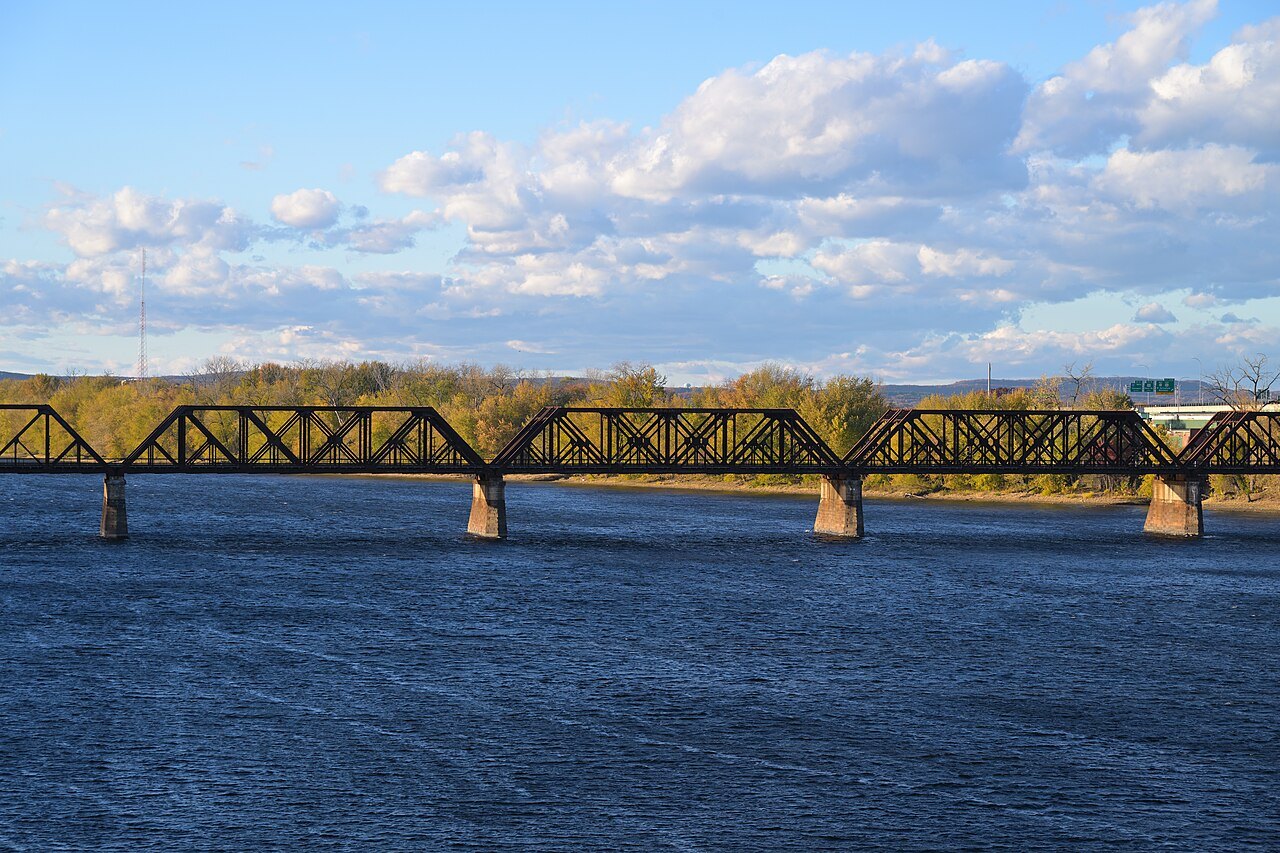
October is also the month of the Head of the Charles, the largest three-day rowing regatta in the world, with thousands of athletes on the river between Boston and Cambridge, and of the cranberry harvest, when the bogs of the southeast are flooded so the berries float. Salem is at its busiest in the weeks before Halloween. On the Cape, the summer heat held in the sea keeps autumn milder than inland, and September there is often the best month of the year.
Winter
Winter is cold and snowy. In Boston January highs average in the mid-thirties and lows in the low twenties, and inland it is colder still. The state is prone to nor'easters, the coastal storms that bring heavy snow and wind to New England; the Blizzard of 1978 destroyed Rockport's Motif Number 1, rebuilt the same year. Plan for delays and check the forecast before long drives.
Winter has its rewards: quiet museums, ice skating on the Frog Pond at the heart of Boston Common, which becomes a winter rink with a learn-to-skate school, and snow on the hills of the west. Boston closes the year with First Night on New Year's Eve.
Hurricanes and storms
Like the rest of the eastern seaboard, Massachusetts is exposed to hurricanes, though because it lies farther east into the Atlantic than the states to the south, direct hits from a major hurricane have been rare: three since 1851. More often, storms weakened to tropical storm strength pass nearby. The coast, the Cape and the islands feel them most, and ferries are the first thing to stop. The state averages about one tornado a year.
Region by region
The seasons fall differently across the state. Boston and Cambridge work all year: the museums, the Freedom Trail and the university towns are as good in February as in June, and busiest in summer and at the October regatta. The North Shore and Cape Ann are at their best from late spring to autumn, when the coast road and the harbors are at their liveliest.
The Cape and the islands are summer places, and much of what serves visitors there runs on a summer season, from the extra ferries to many of the inns; outside it they are quiet, beautiful and much less crowded, but plan ahead for what will be running. The Pioneer Valley and the Berkshires have two high seasons, the summer of music and theater and the autumn of the leaves, and a winter of snow between them. Plymouth is busiest in summer and around Thanksgiving.
Choosing your season
For Boston and the history, any season works, and spring and autumn are the most comfortable for walking. For the beaches, the Cape and the islands, come from late June to early September, or in September for warm water and fewer people. For the foliage and the scenic drives, come in autumn. For the fewest crowds and the quietest museums, come in winter and accept the weather. The itineraries suggest a trip for each.

Whatever the season, pack layers and a rain jacket: the weather changes fast, and the coast, with the wind off the water, is often cooler than the forecast for inland towns suggests. In summer add sun protection for the beaches and boats; in winter, boots that can handle snow and slush on the sidewalks.
Seen on the wayIII
More photographs
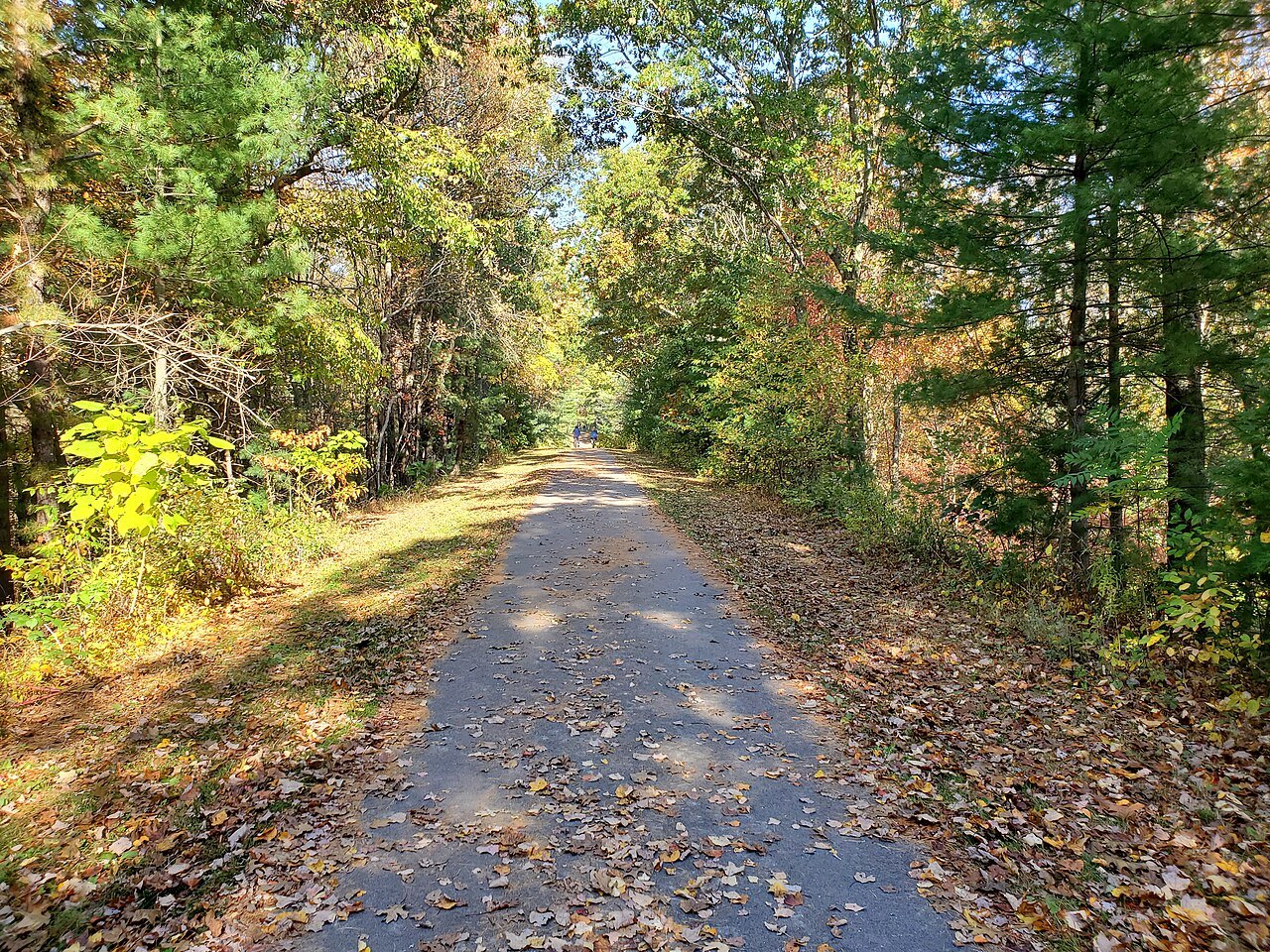
A paved rail trail through the golden woods of Bellingham in OctoberPi.1415926535, Wikimedia Commons, CC BY-SA 4.0 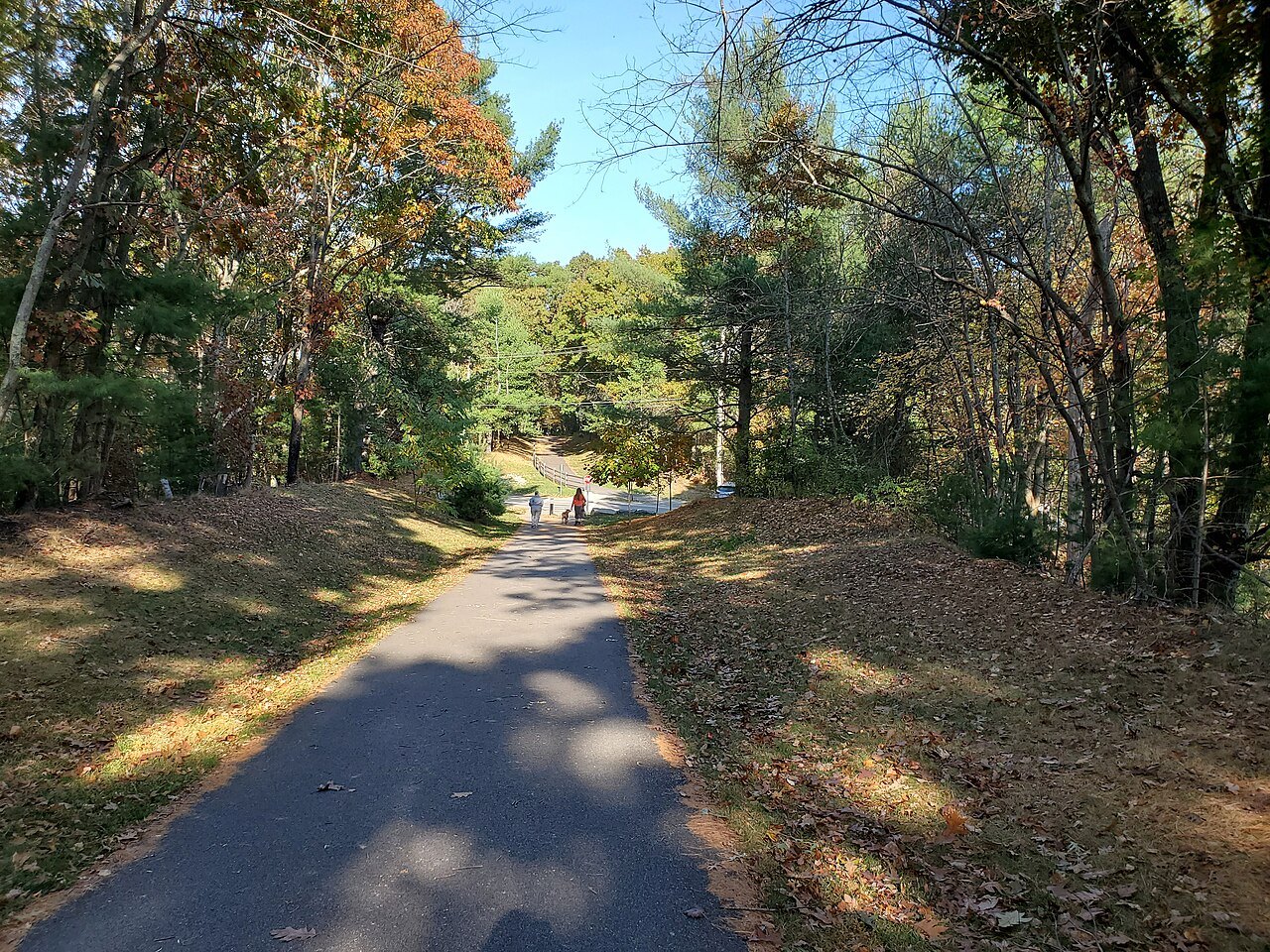
The rail trail dipping through autumn woods toward a road crossingPi.1415926535, Wikimedia Commons, CC BY-SA 4.0 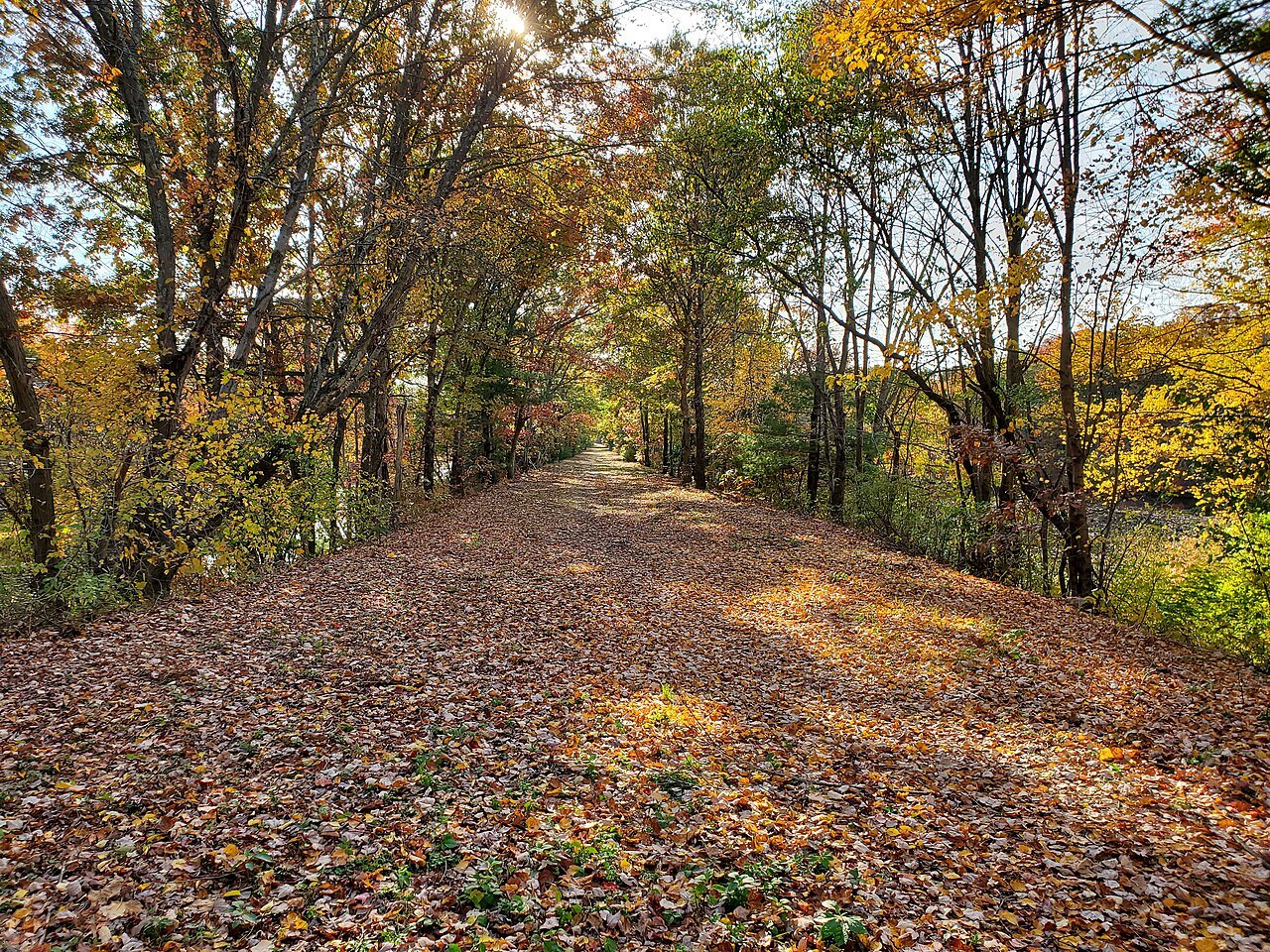
Leaves carpeting an old rail bed under turning treesPi.1415926535, Wikimedia Commons, CC BY-SA 4.0