The answer in fullII
Read on
Naumkeag before the trials
Salem is a coastal city in Essex County on the North Shore, home to about forty-four thousand four hundred eighty people at the 2020 census. Continuous European settlement began in 1626, and the town grew into one of the most important seaports in early America. Today it is best known worldwide for the witch trials of 1692, a reputation so strong and so persistent that Salem has long called itself the Witch City.
Long before that, the peninsula was called Naumkeag by its Native people, part of a group whose territory ran from the Merrimack to the Mystic rivers. The years just before the English arrived were disastrous for them: war with the Tarrantine and a smallpox epidemic between 1617 and 1619 killed many, including their powerful sachem Nanepashemet, and left the population far smaller than it had been.
In 1626 a company of fishermen led by Roger Conant came from Cape Ann and settled at Naumkeag. It was not until 1686, under the Dominion of New England, that the heirs of the sachem Wenepoykin pressed their claim to the land and were paid twenty pounds for it, decades after the English had already built a town there.
The trials of 1692
In 1692 Salem and the villages around it were caught up in the witch trials, one of the most infamous cases of mass hysteria in American history. Over the course of that year, accusations of witchcraft spread through the community and the surrounding villages, and the episode has come to stand as one of the defining events of colonial New England.
Nineteen people were hanged on false accusations, and Giles Corey was pressed to death for refusing to enter a plea. Those are the facts that survive most clearly and are repeated in every account of the episode; they mark the trials as one of the starkest instances of a community turning against its own members in American history.
The record here does not go further into who first raised the accusations, how the court proceedings were carried out, or why the panic spread so widely beyond Salem itself. Visitors who want that fuller account should look to the exhibits at the Peabody Essex Museum and to the historic sites around the city, which set out the documented history of the trials in detail.
Finding the hanging ground
For generations, the hangings were thought to have taken place on top of Gallows Hill, a rise above the old town that is now a city park. Visitors climbed it for years assuming the executions had happened at its summit, and that belief shaped the city's memorials, its maps, and its tourism for well over a century before anyone questioned it.
In 2016, researchers identified the actual site as Proctor's Ledge, a spot at the foot of the hill rather than at its top. The city has since turned it into a memorial to the people who died there, a quieter and more precise counterpart to the hilltop long assumed, wrongly, to be the place.
The two sites sit close together but are distinct: the long-assumed hilltop park, and the ledge at its foot where the evidence actually points. Visitors who want to see either, or both, should check with Salem's visitor information or the city itself for directions and any current guidance before setting out.
A city that argues with its own legend
The witch trials dominate Salem's tourism today, and the city draws on them heavily in how it presents itself, down to its official nickname, the Witch City. For many visitors the trials are the main reason to come, and the shops, tours, and attractions connected to 1692 are concentrated through the historic downtown near the harbor.
Not everyone in Salem is comfortable with that emphasis. The city debates the question openly, and some residents would rather Salem played down the witches and marketed itself instead as a cultural center, pointing to its maritime history, its museum, and its architecture as the deeper and longer story of the place.
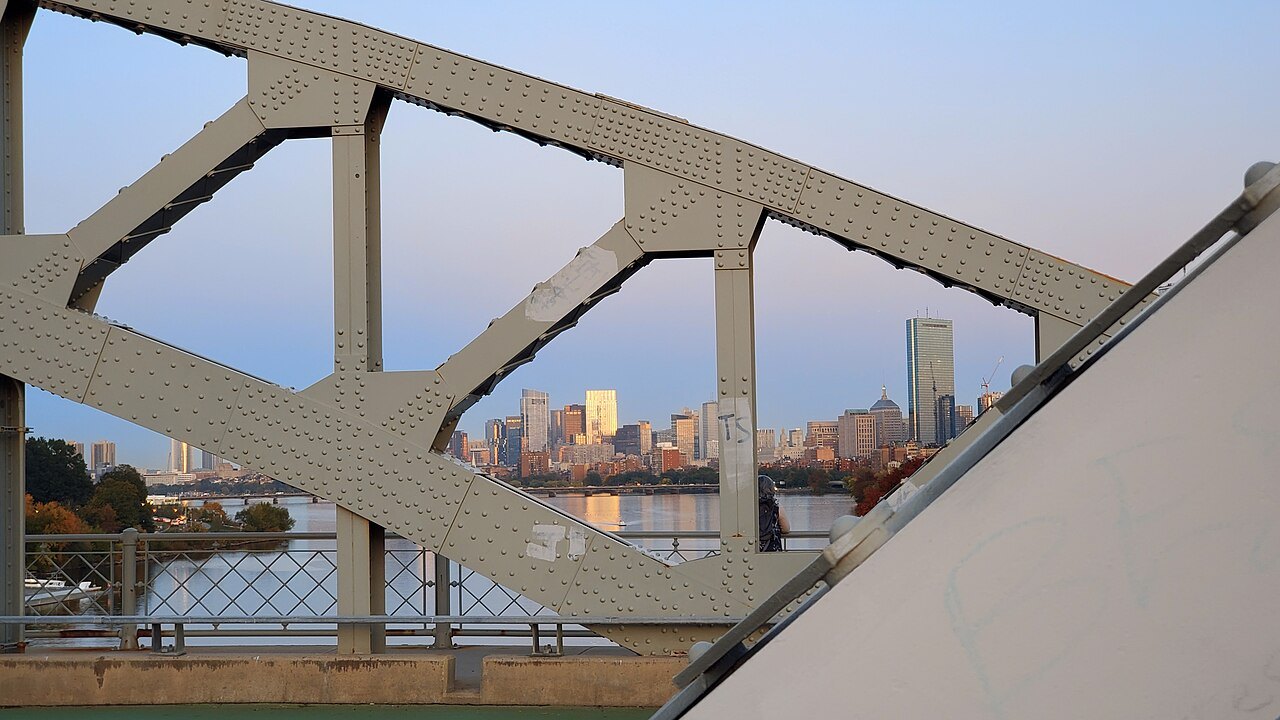
Visitors who come only for the witch-trial sites may miss that fuller picture. The old port, the merchants' mansions, and the Peabody Essex Museum's collections sit only a short walk from the witch-trial attractions, offering a slower, less crowded version of the same city for anyone willing to look past the main legend.
Beyond the trials: the port city
Salem's deeper history is maritime. During the Revolution, nearly eight hundred vessels sailed from the city as privateers, credited with capturing or destroying about six hundred British ships, and by 1790 Salem was the sixth-largest city in the country, famous worldwide for its trade with China and the East Indies.
That wealth built the old waterfront, now Salem Maritime National Historical Park, with twelve historic buildings, a replica tall ship, and about nine acres along the harbor. Among them is the Custom House, where Nathaniel Hawthorne worked as surveyor of the port between 1846 and 1849, and where he set the opening pages of The Scarlet Letter.
Nearby stands the House of the Seven Gables, built in 1668 and made famous by Hawthorne's 1851 novel; it is now a museum and still a working settlement house for the city's immigrant families. The Peabody Essex Museum, founded by Salem sea captains and supercargoes in 1799, holds one of the country's major collections of Asian art.
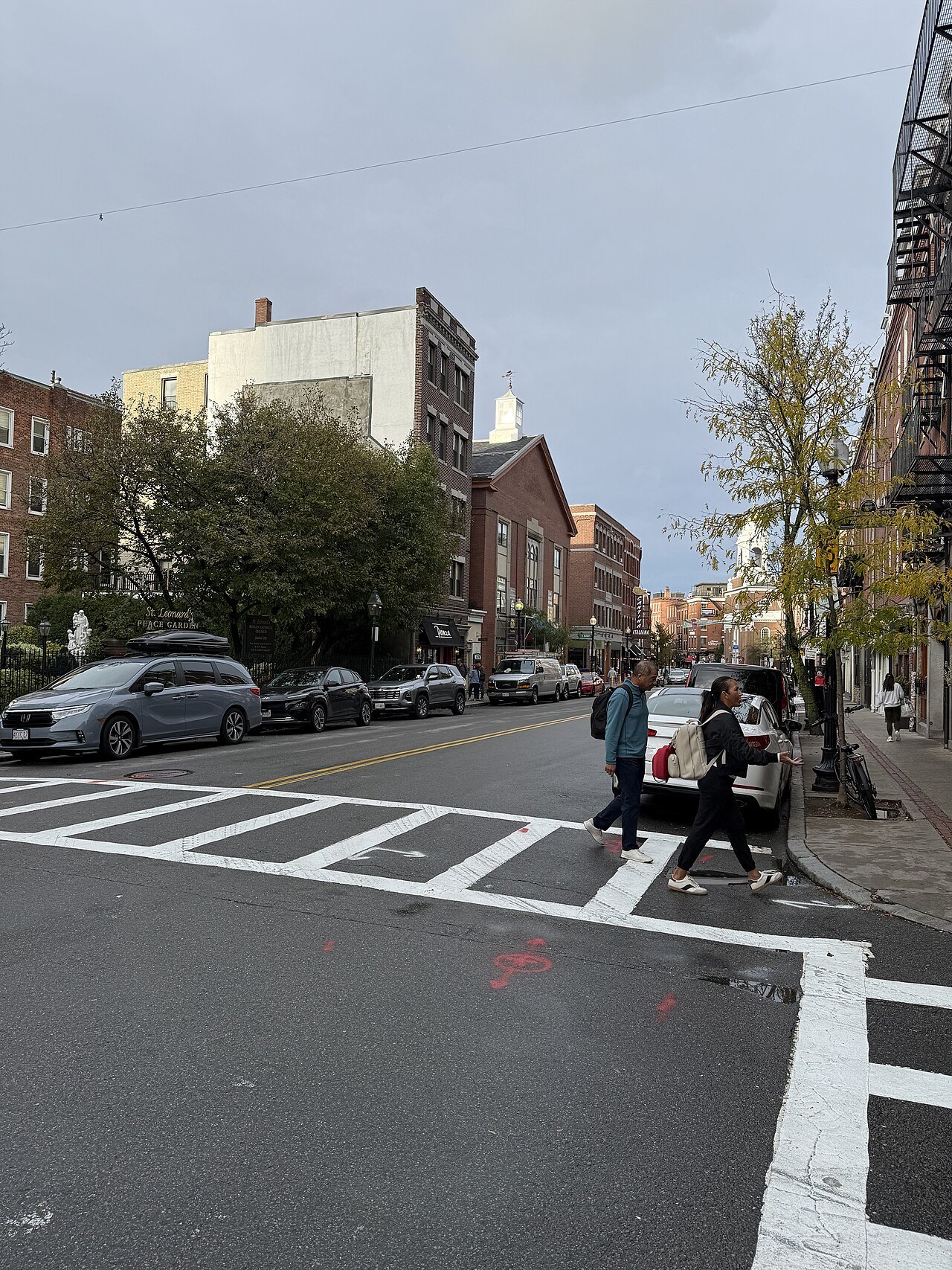
The China trade also left Salem its fine architecture, above all the Federal-style mansions of Samuel McIntire, concentrated in the Chestnut Street District. The Great Salem Fire of 1914 destroyed more than four hundred homes and left thousands of families homeless, but it spared those houses, which still line the street today.
How to visit
Salem station sits on the commuter rail line from Boston, and the historic center is walkable from it. The maritime park and the Custom House sit on the harbor, the House of the Seven Gables is a short walk along the water, and the Peabody Essex Museum and the Chestnut Street District are both within a few blocks downtown.
Local bus routes from the station reach North Salem, Salem Willows Park on the water at the east end, and Salem State University to the south. Winter Island, where the frigate USS Essex was built in 1799, later became an air station and can also be reached from the city center.
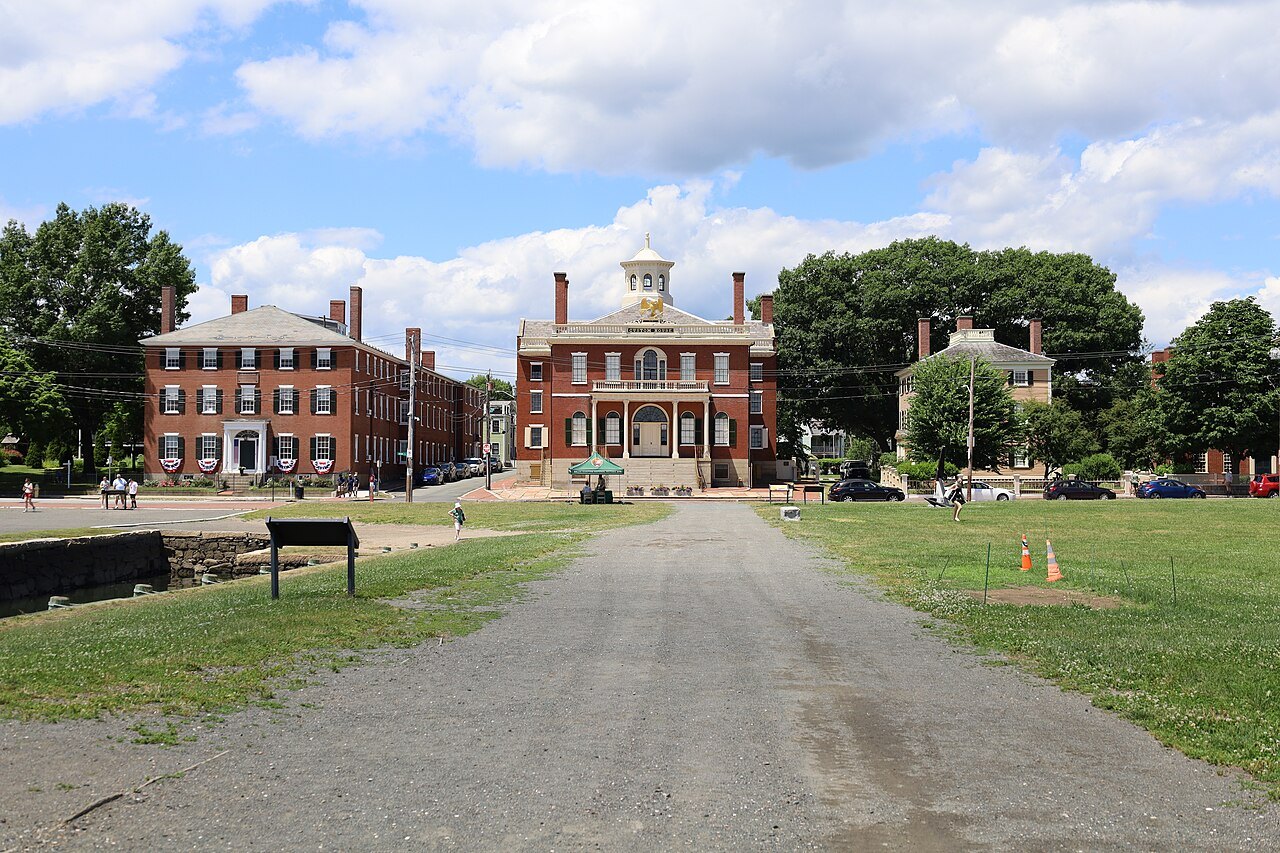
Before setting out, decide which Salem interests more: the witch-trial sites that draw the biggest crowds, or the port, the museum, and the houses that reward a slower day. The city pairs easily with a day trip farther up the coast to Cape Ann, and visitors coming from Boston can check train and bus details with getting around Massachusetts before planning the trip.
Read nextIII
More from the journal
- PlymouthIs Plymouth Rock really where the Pilgrims landed?Plymouth Rock is honored as the Pilgrims' landing place of December 1620, but neither of the colony's own chroniclers mentions it, and the claim was first made in 1741. How the legend began, how the rock was split, moved and rejoined, and what to see in Plymouth when you go.Read the piece →
- The Freedom TrailWhat happened at the Old South Meeting House before the Tea Party?How a plain Puritan meeting house became the hall where Boston decided to throw British tea into the harbor.Read the piece →
- USS Constitution and Bunker HillHow did USS Constitution get the name Old Ironsides?How a War of 1812 victory over Guerriere gave USS Constitution her famous nickname, and how to visit her in Charlestown.Read the piece →