What you will findI
Plymouth
South Shore
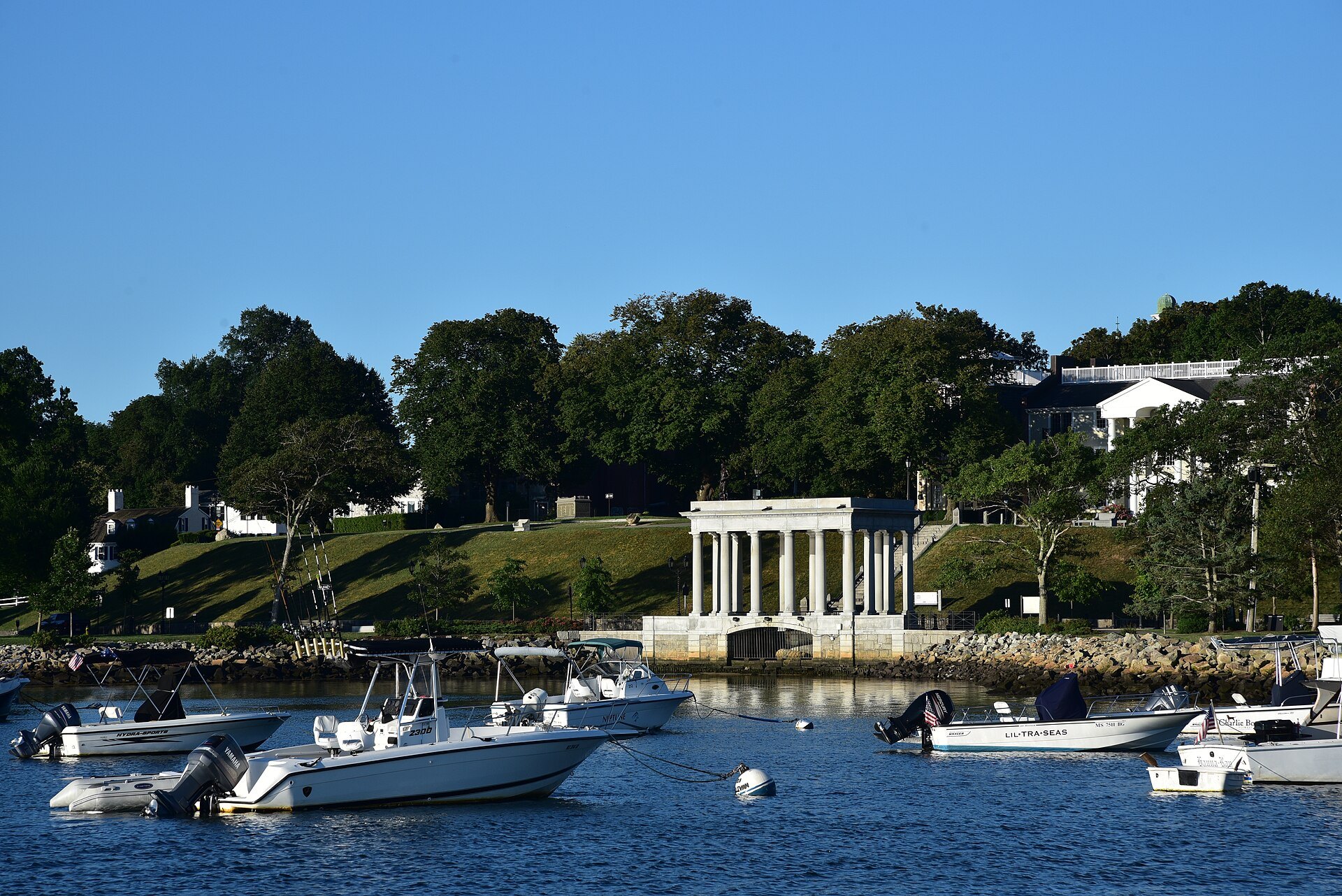
- The waterfrontPlymouth Harbor, with the Mayflower II at her berth near the rock.
- Plymouth RockThe boulder under its granite portico of 1920, claimed as the Pilgrims' landing place.
- Cole's HillThe bank above the rock, where the story of the landing was first told in 1741.
- Pilgrim Hall MuseumThe oldest continually operating museum in the United States.
- Pilgrim Memorial State ParkThe shore park round the rock, with guides from April through November.
- North PlymouthThe waterfront of the Plymouth Cordage Company, once the world's largest rope maker.
The town in fullII
Reading the place
The town in brief
Plymouth is the county seat of Plymouth County, on the South Shore about forty miles south of Boston, and it calls itself America's Hometown. It was founded in December 1620 by the Mayflower Pilgrims, the first permanent European settlement in New England and one of the oldest in the United States, and it was the capital of Plymouth Colony until the colony merged with Massachusetts Bay in 1691. It is also the largest town in the state by area, with 61,217 people at the 2020 census spread across Plymouth Center, North, West and South Plymouth, Manomet and Cedarville, and ponds scattered through its western part.
For a visitor, Plymouth means the old center on the harbor: the rock, the Mayflower II, Pilgrim Hall and the streets above the water, with Plimoth Patuxet a short drive away.
Patuxet and the colony
European explorers had visited the region twice before the colony was founded, and the harbor had long been Wampanoag ground.
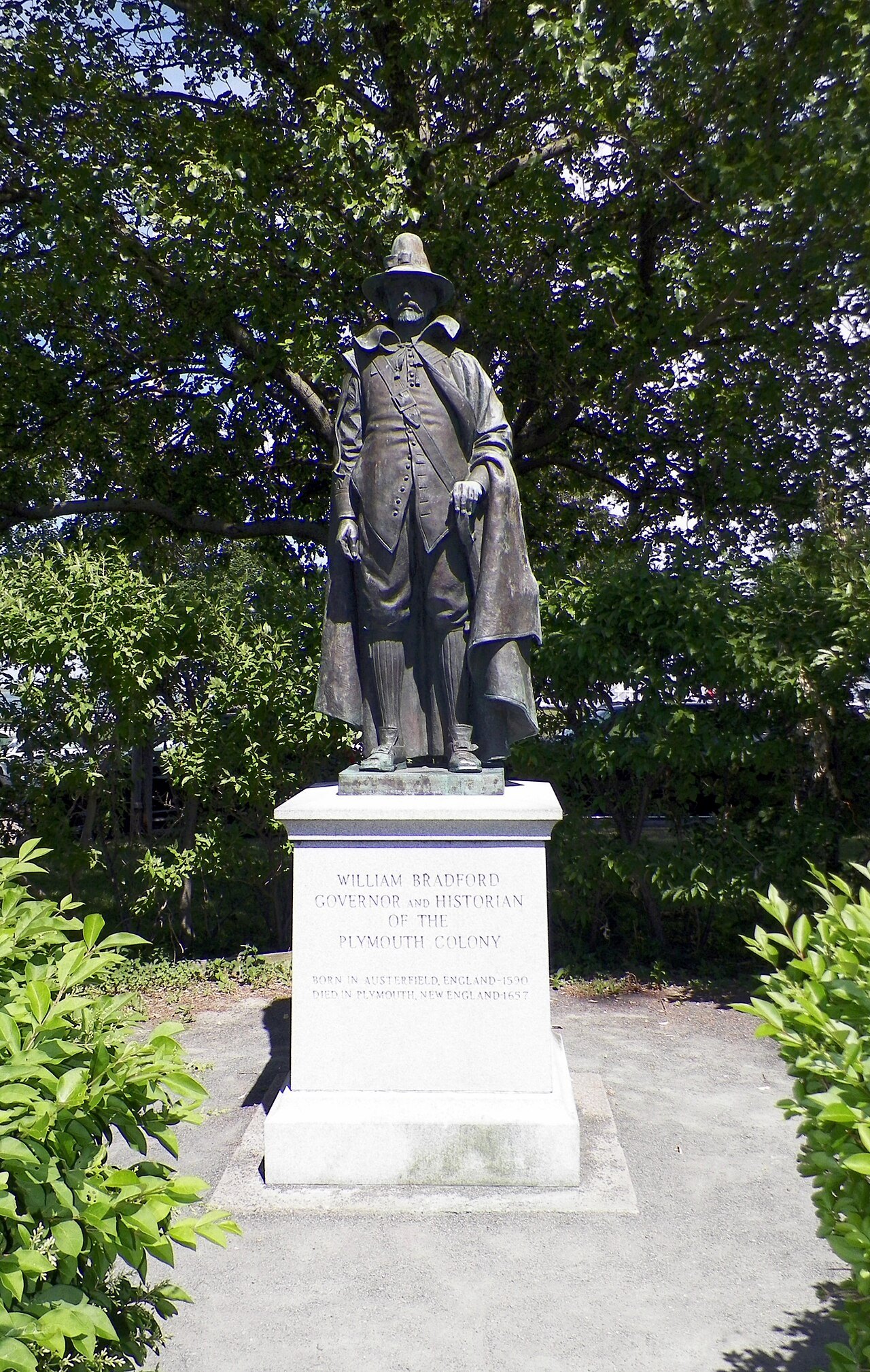
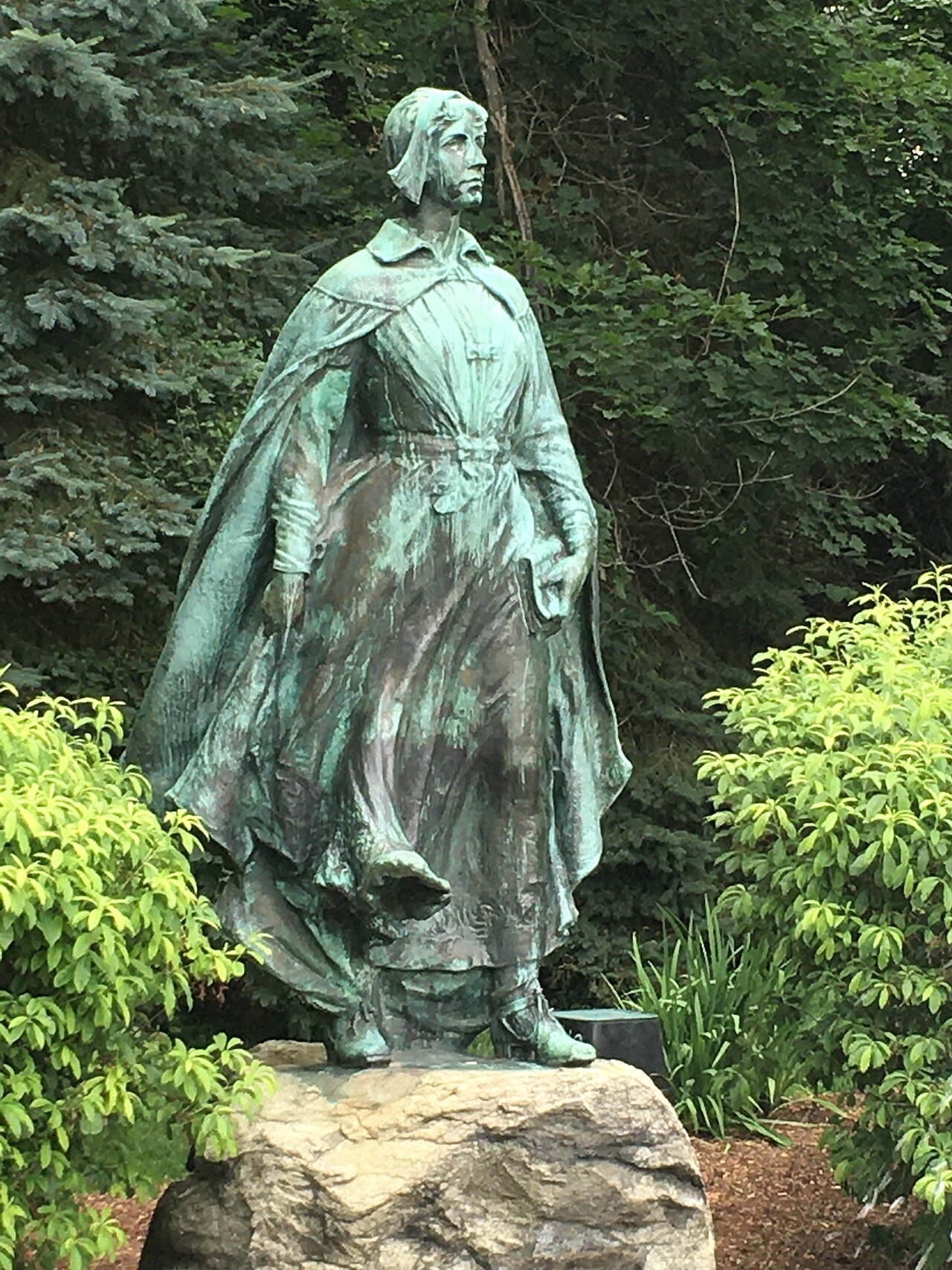
Before the Pilgrims came, the site was a Wampanoag village called Patuxet. The settlers, separatists who had broken from the Church of England, landed in December 1620 and faced a hard first winter. Help came from Samoset and from Tisquantum, Squanto to the colonists, sent by the Wampanoag leader Massasoit, and after the harvest of 1621 the settlers and some ninety Wampanoag men held the celebration remembered as the First Thanksgiving. The word Pilgrims itself was coined by the colony's governor William Bradford.
Plymouth Rock
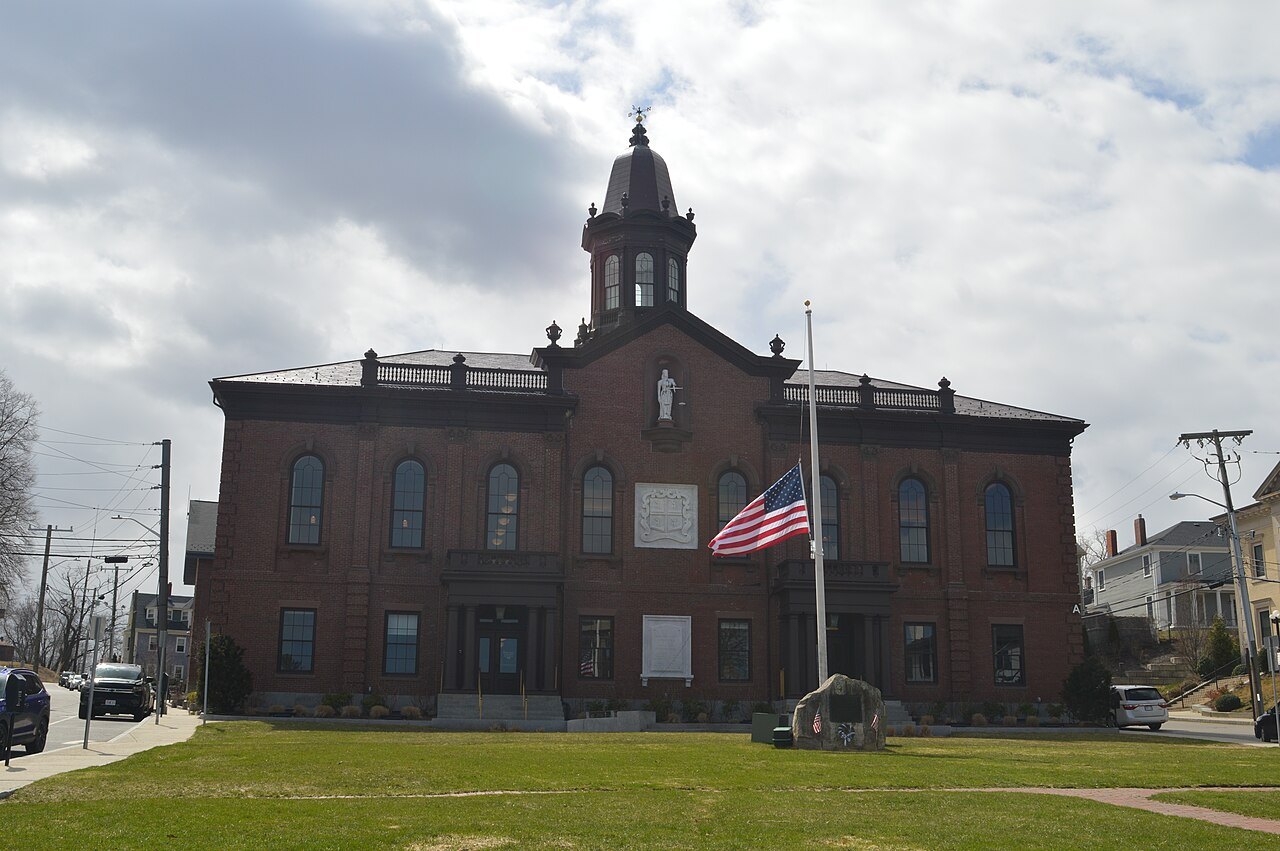
The town's emblem is Plymouth Rock, a boulder on the shore claimed as the Pilgrims' landing place. The claim is late. Neither of the two main early accounts of the colony, Edward Winslow's Mourt's Relation of 1622 and William Bradford's history Of Plymouth Plantation, mentions the rock; it first appears in the town records in 1715 simply as a great rock, and the first claim that the Pilgrims landed on it was made in 1741, when the town planned a wharf that would bury it and Thomas Faunce, a church elder of ninety-four, declared it the landing place, as his father had told him.
The rock has been moved several times. In the eighteenth century part of it was taken to the town square, and in 1834 to Pilgrim Hall; the pieces were reunited on the shore in 1880 and the date 1620 carved into the stone. In 1920 it was dug out and set in its present place, under a Roman Doric portico designed by McKim, Mead and White, where it can be seen through gratings, washed by the tide. Fragments are in Pilgrim Hall and in the Smithsonian's National Museum of American History.
Historians have long doubted the story. The journalist Bill Bryson put it bluntly: "The one thing the Pilgrims certainly did not do was step ashore on Plymouth Rock," since a boulder would have made an impractical landing place. The director of Pilgrim Hall and a geographer from Durham University have both confirmed that the rock has been moved many times and no longer sits where it lay in 1620. Its power is as a symbol, which is how the town now presents it.
Pilgrim Memorial and Pilgrim Hall
The rock is part of Pilgrim Memorial State Park, run by the state's Department of Conservation and Recreation, and from April through November guides there tell its story. Above it rises Cole's Hill, the bank below which Faunce pointed out the rock.
A few streets inland is the Pilgrim Hall Museum, the oldest continually operating museum in the United States, which holds its own piece of the rock among the objects of the colony. With the Mayflower II at her berth nearby, the waterfront makes a compact half-day on foot.
The rope town
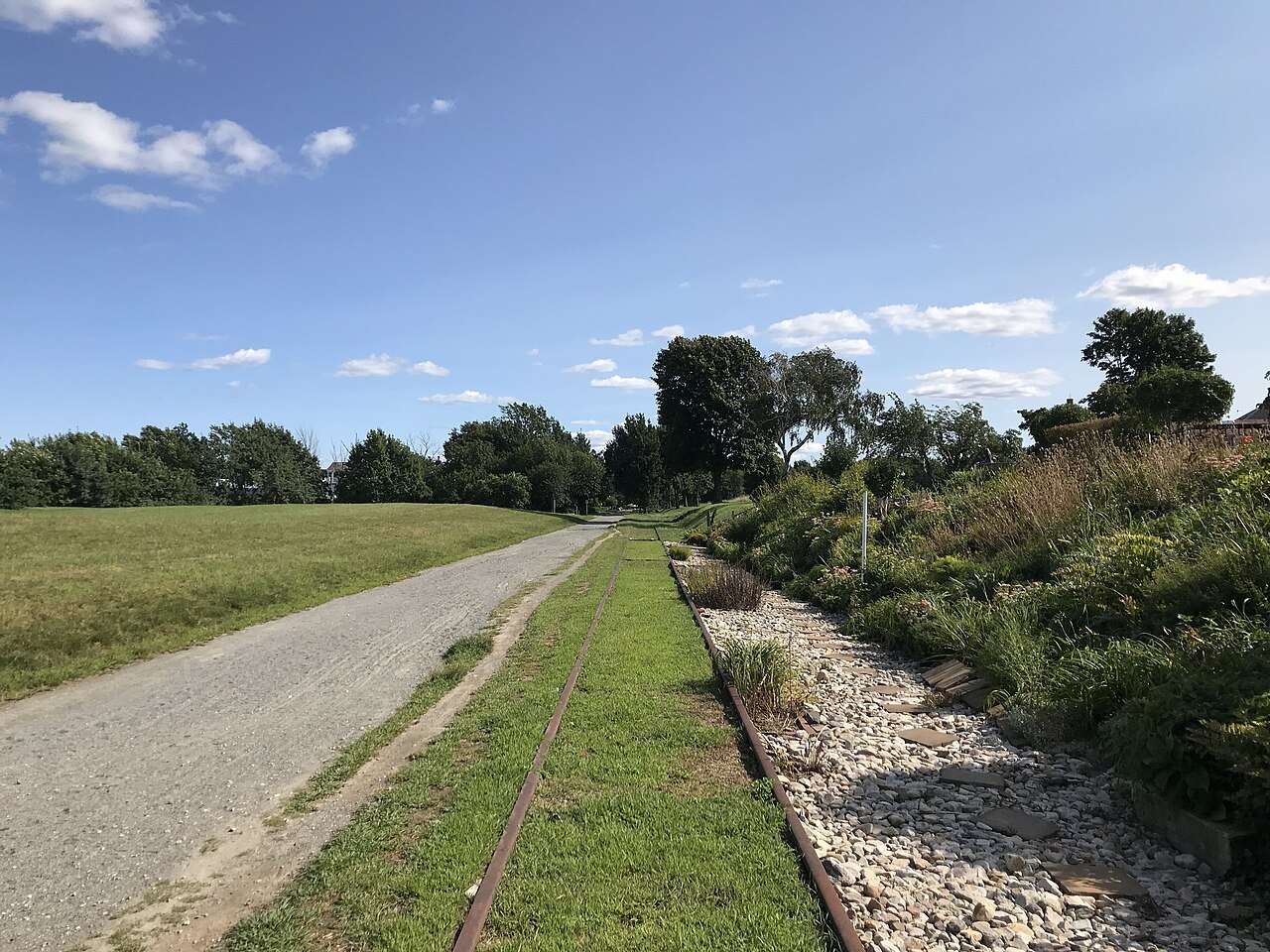
Through the nineteenth century Plymouth thrived on rope making, fishing and shipping. The Plymouth Cordage Company, founded in 1824, became the world's largest maker of rope and cordage, and at one time the longest ropewalk in the world stood on its site on the North Plymouth waterfront, about a quarter of a mile long. The company lasted into the 1960s and closed in 1964, beaten by synthetic rope, and its factory is now the Cordage Commerce Center of offices, restaurants and shops.
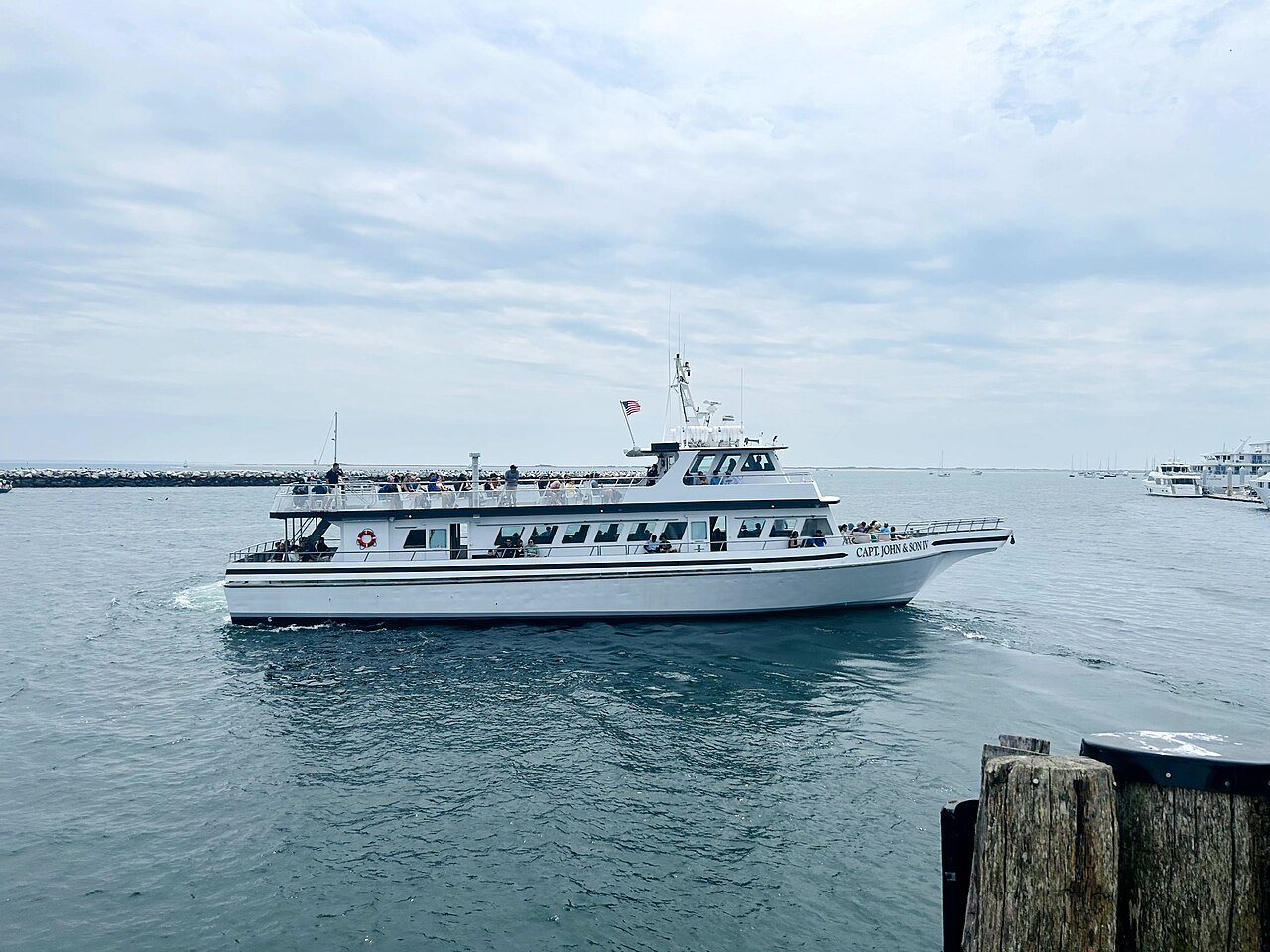
The town remains an active port, though its largest industry is now health care and social services. It is served by its own municipal airport.
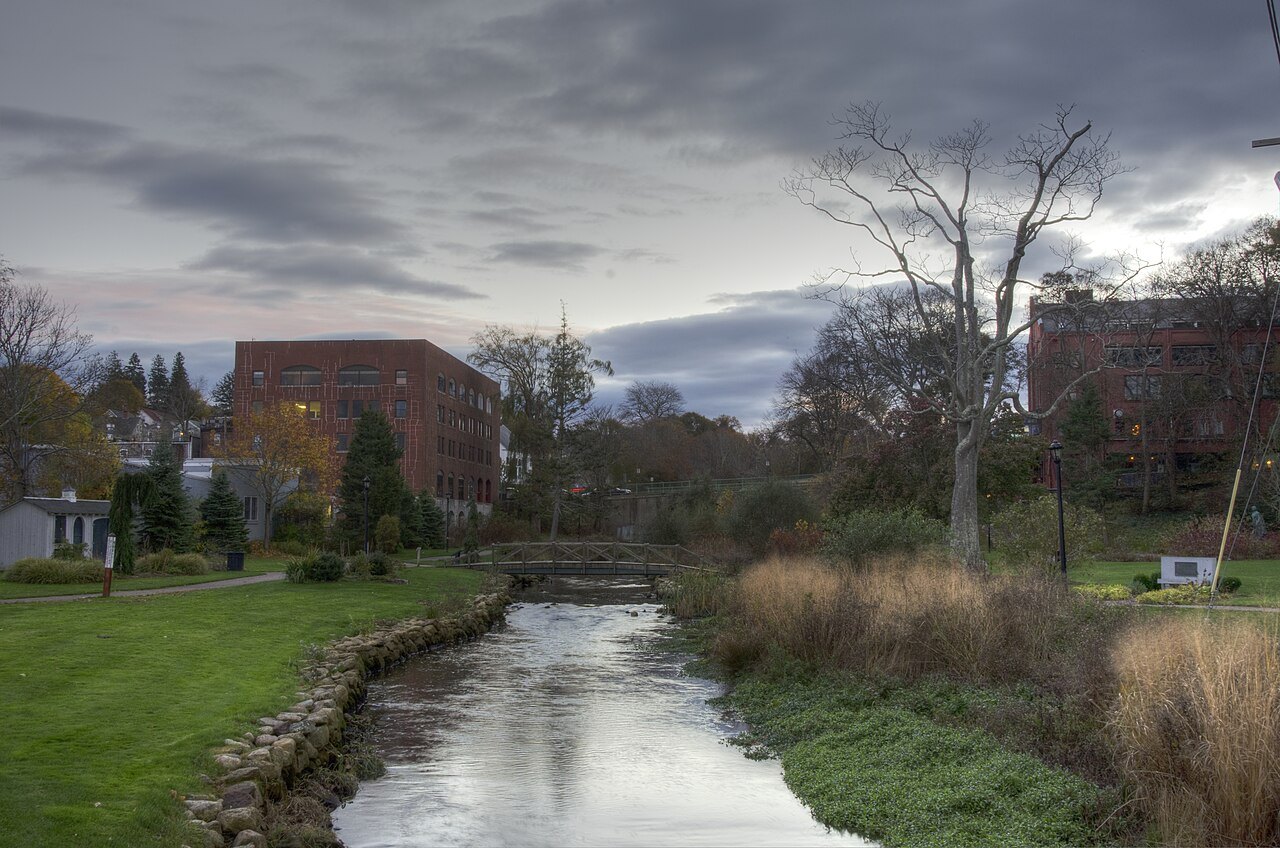
Beyond the center the town is large and mostly quiet: North Plymouth with the old cordage works, the villages of Manomet and Cedarville toward the south, and the ponds of the western woods, the largest of them Great Herring Pond, which Plymouth shares with Bourne at the head of the Cape.
The four hundredth
In 2020 Plymouth marked four hundred years since the landing. Plimoth Plantation took its new name, Plimoth Patuxet, for the anniversary, after the Wampanoag village on whose site the town stands, and the Mayflower II was restored for the occasion. Thanksgiving, which the town claims as its own, has been a federal holiday since 1941.
How to visit
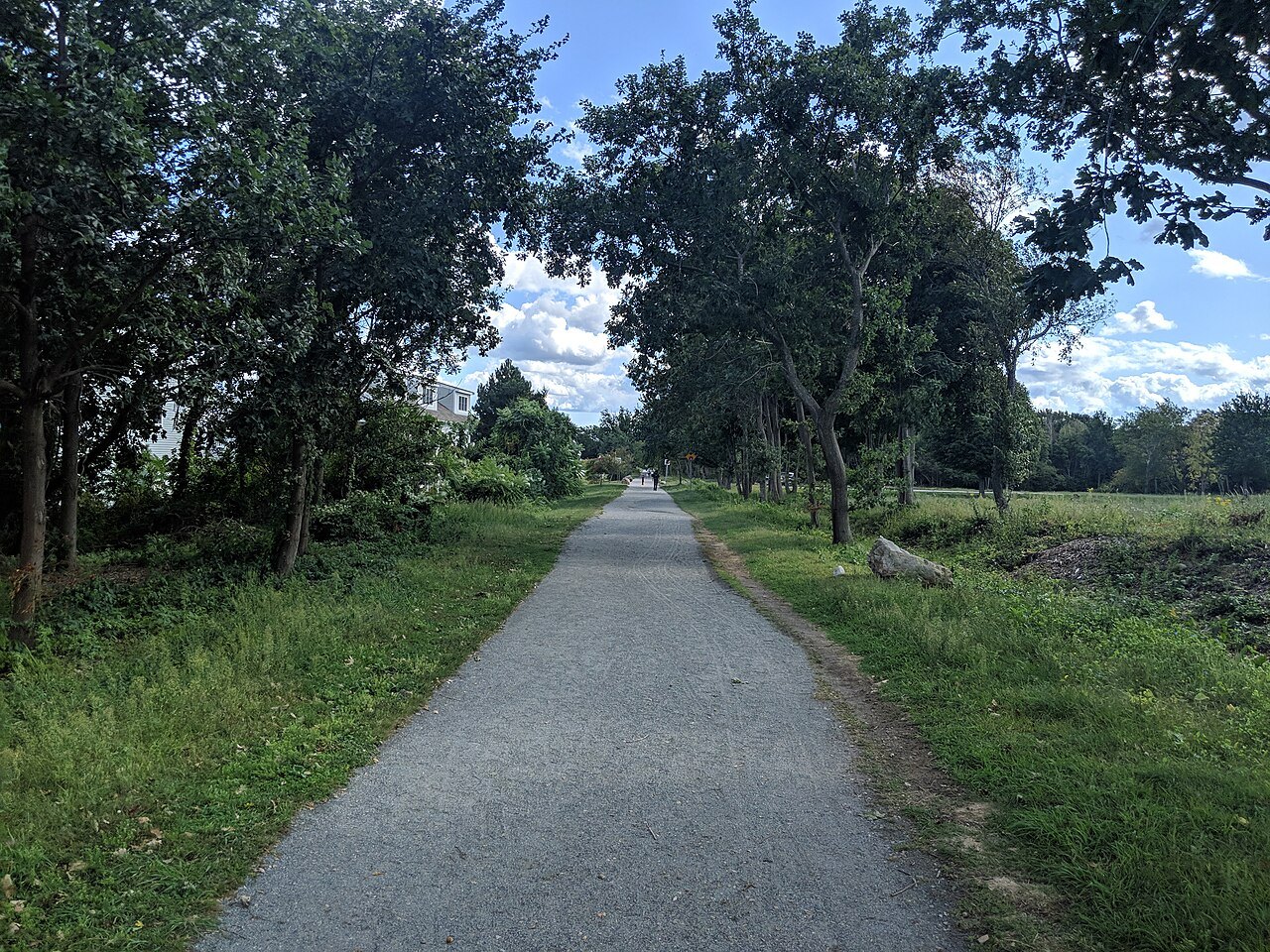
Park once and walk the waterfront: the rock and its portico, the Mayflower II, Cole's Hill and Pilgrim Hall are all within a few minutes of each other. Then drive to Plimoth Patuxet's village and homesite outside the center. Plymouth is on the way from Boston to Cape Cod, and a night here breaks the drive; the colony's story also runs on to New Bedford and the whaling coast to the south.
Where to go nextIII
Nearby
- Nearby · South Shore · PlymouthPlimoth Patuxet and the Mayflower IIA living history museum founded in 1947 that recreates Plymouth Colony as it stood in 1627, with a Wampanoag Homesite beside it and the Mayflower II, a full-size reproduction of the Pilgrims' ship, on the town waterfront.Read the page →
- Nearby · South Coast · New BedfordNew Bedford, the Whaling CityThe world's preeminent whaling port of the nineteenth century, remembered in a national historical park across thirteen city blocks: the Whaling Museum with its whale skeletons, the Seamen's Bethel of Moby-Dick, and the cobbled streets that ran down to the wharves.Read the page →
- Nearby · Cape Cod · the Outer CapeCape Cod National SeashoreNearly forty miles of Atlantic shore on the outer arm of Cape Cod, set aside on August 7, 1961: high sand cliffs and dunes, kettle ponds and pine woods, and a chain of lighthouses from Nauset to Race Point.Read the page →