What you will findI
Provincetown
Cape Cod
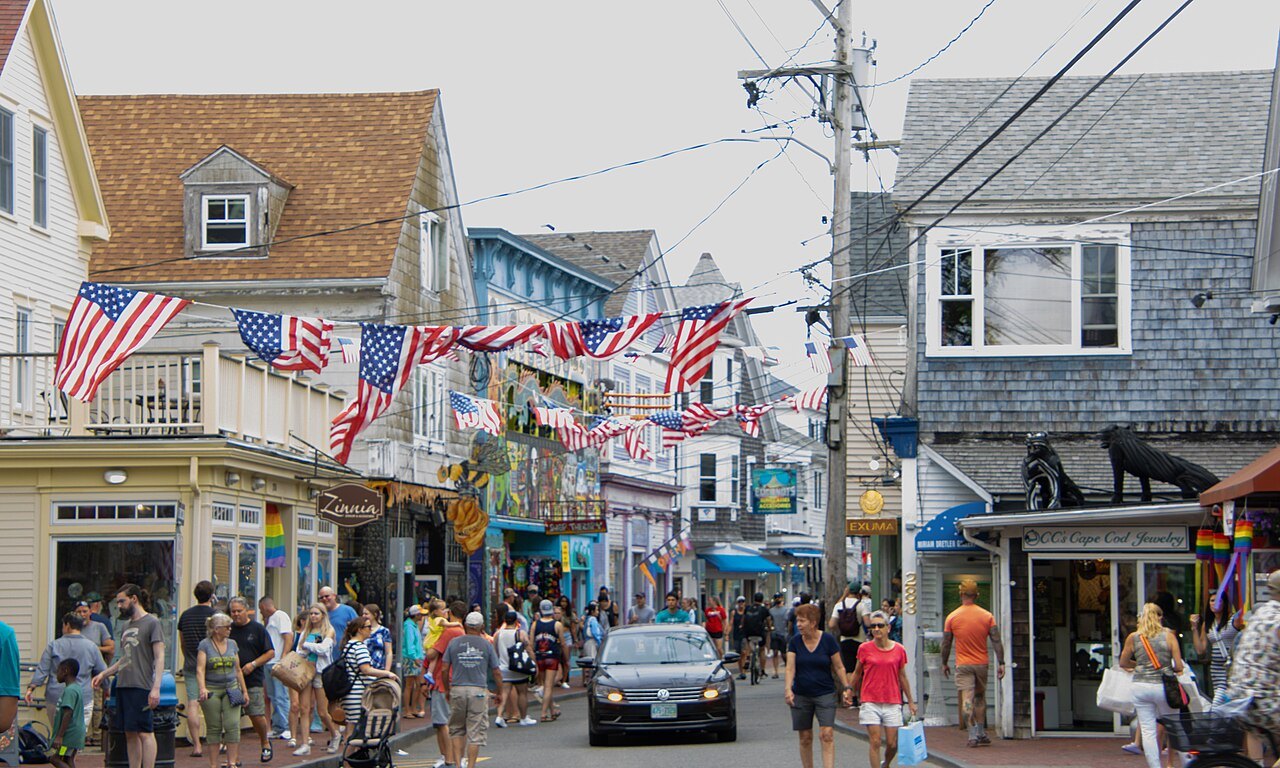
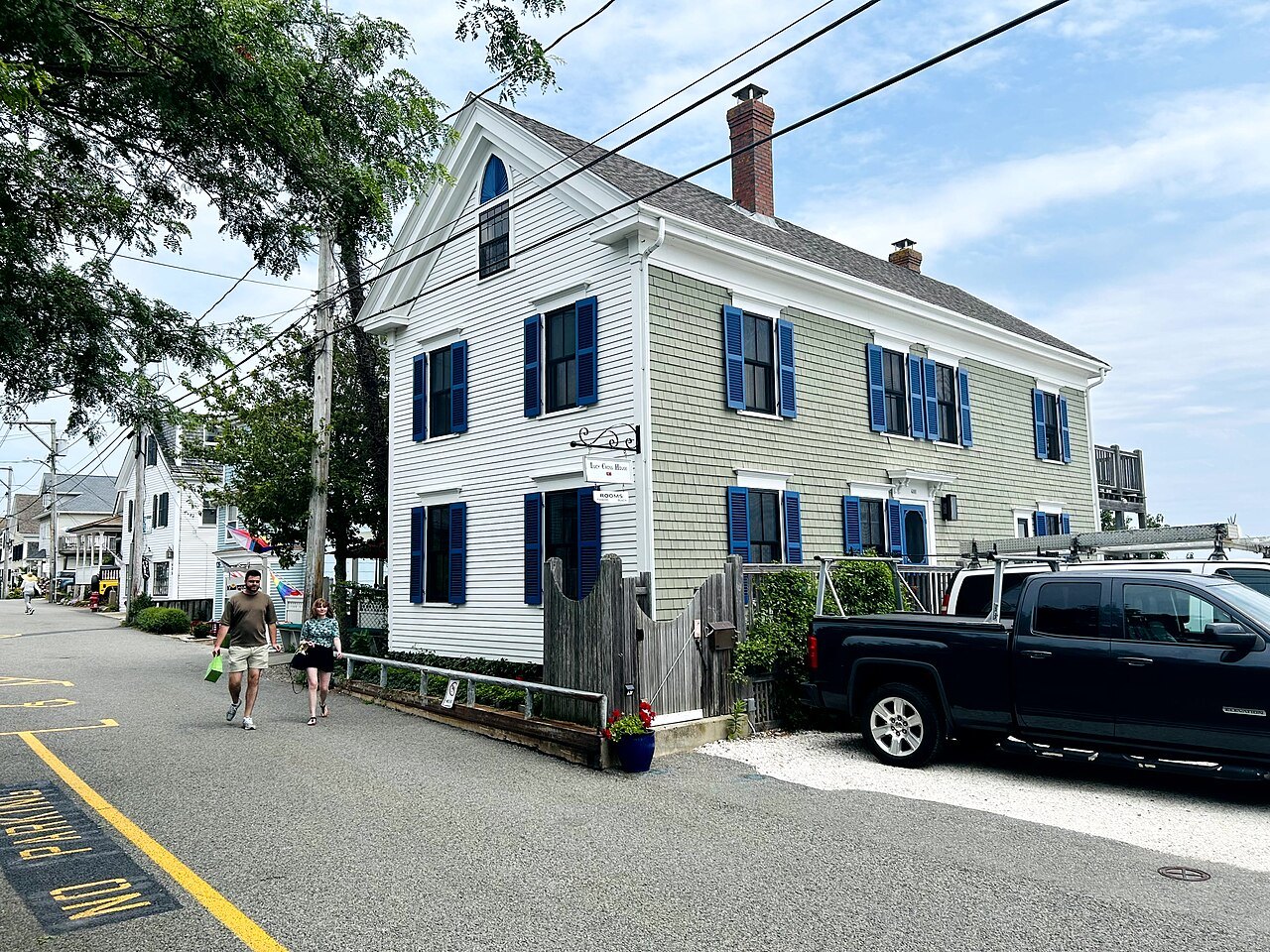
- Commercial StreetThe long street along the harbor where most of the town's shops, galleries and houses stand.
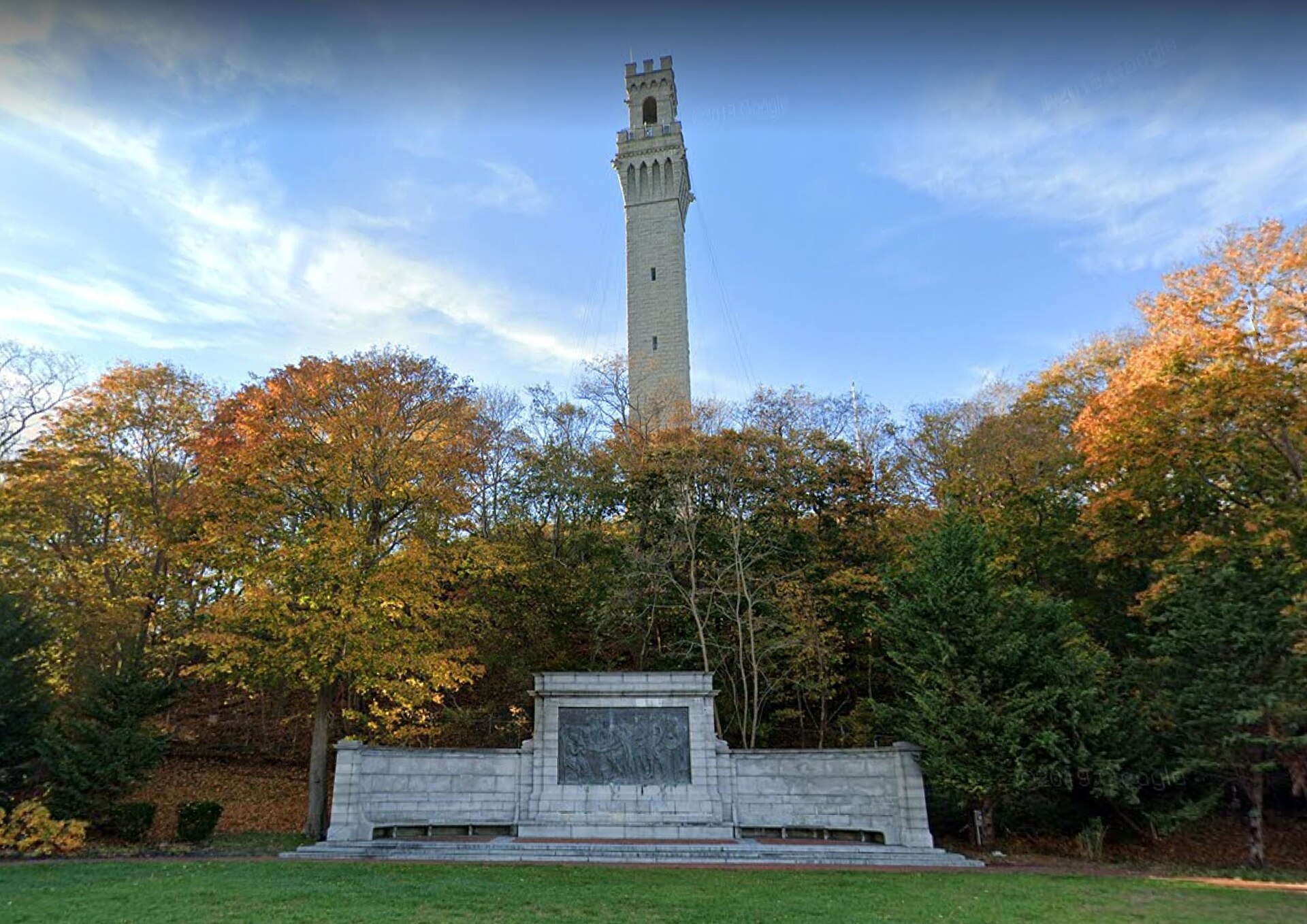
- The Pilgrim MonumentA granite campanile of 252 feet, built from 1907 to 1910, with the town museum at its foot.
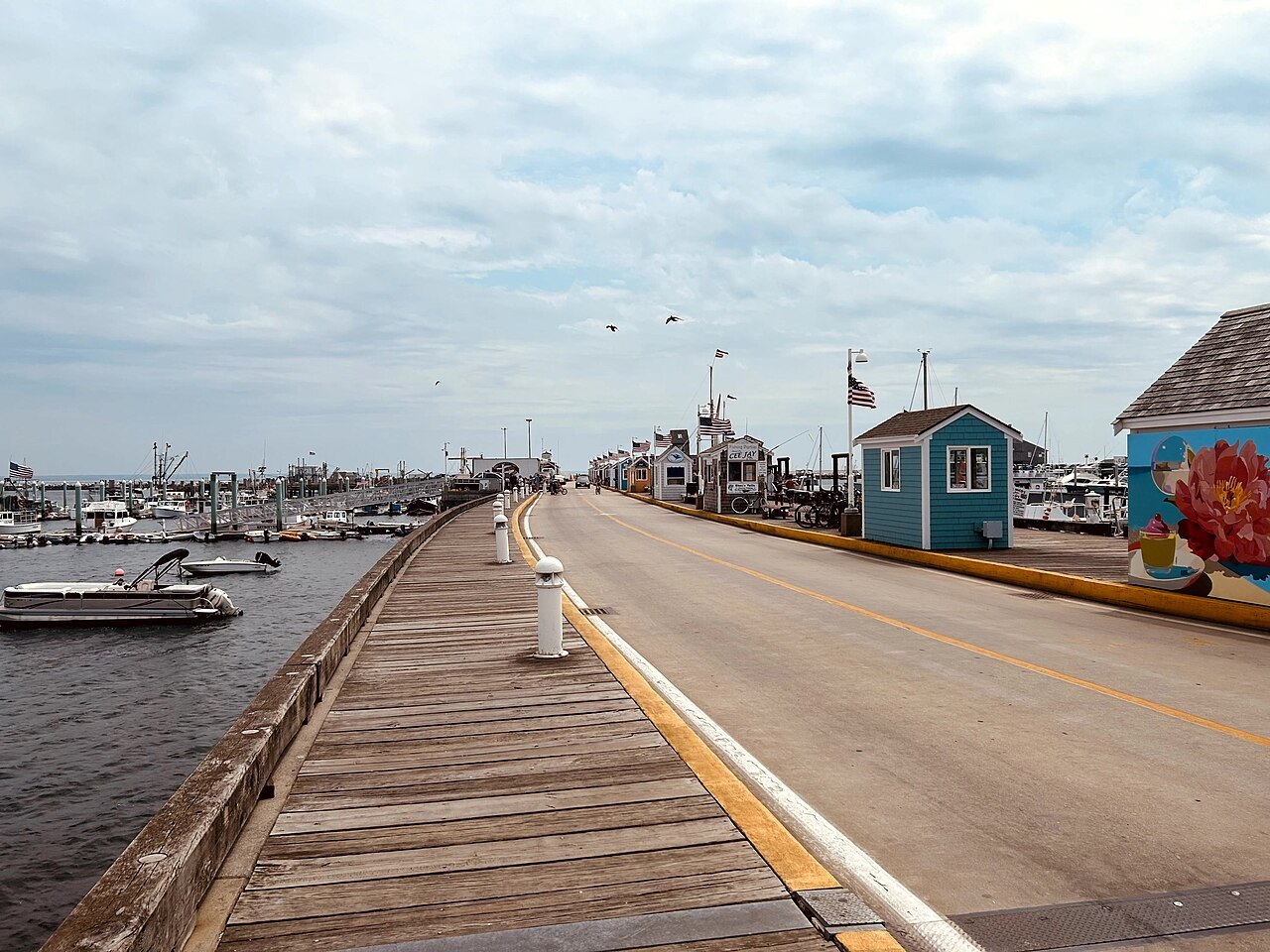
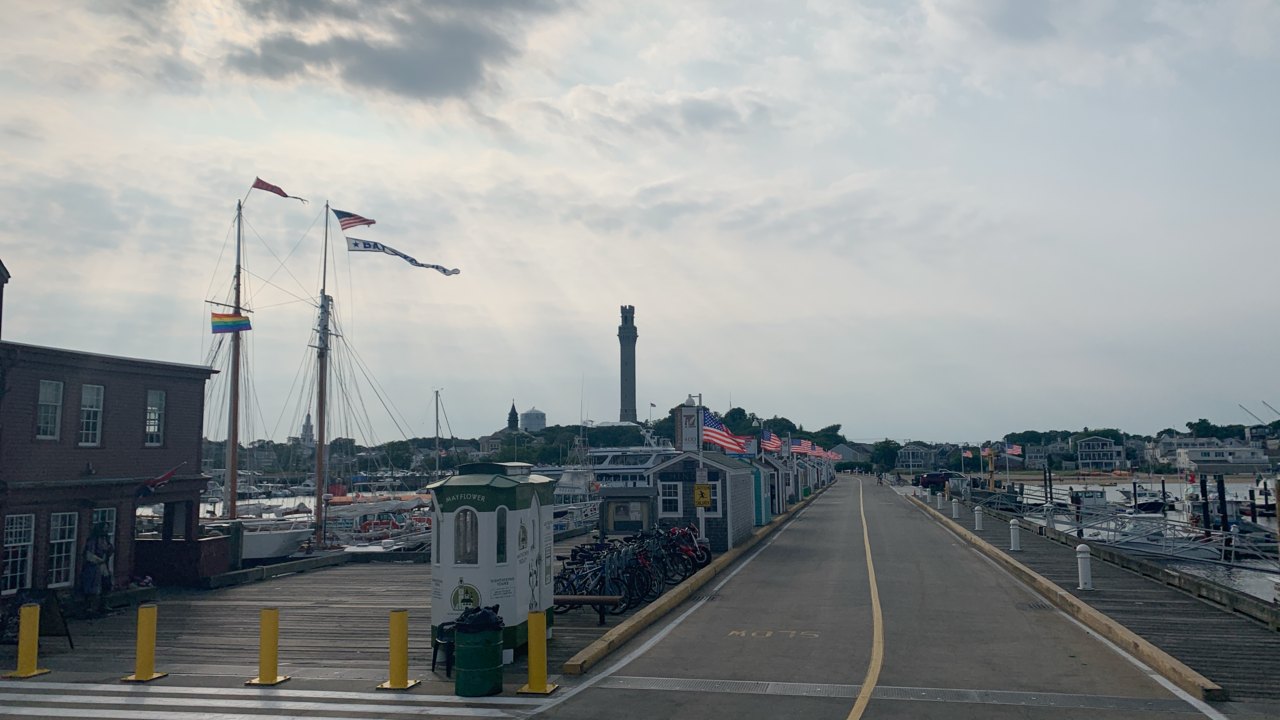
- MacMillan PierThe old railroad wharf, now home to the fishing fleet and the fast ferries.
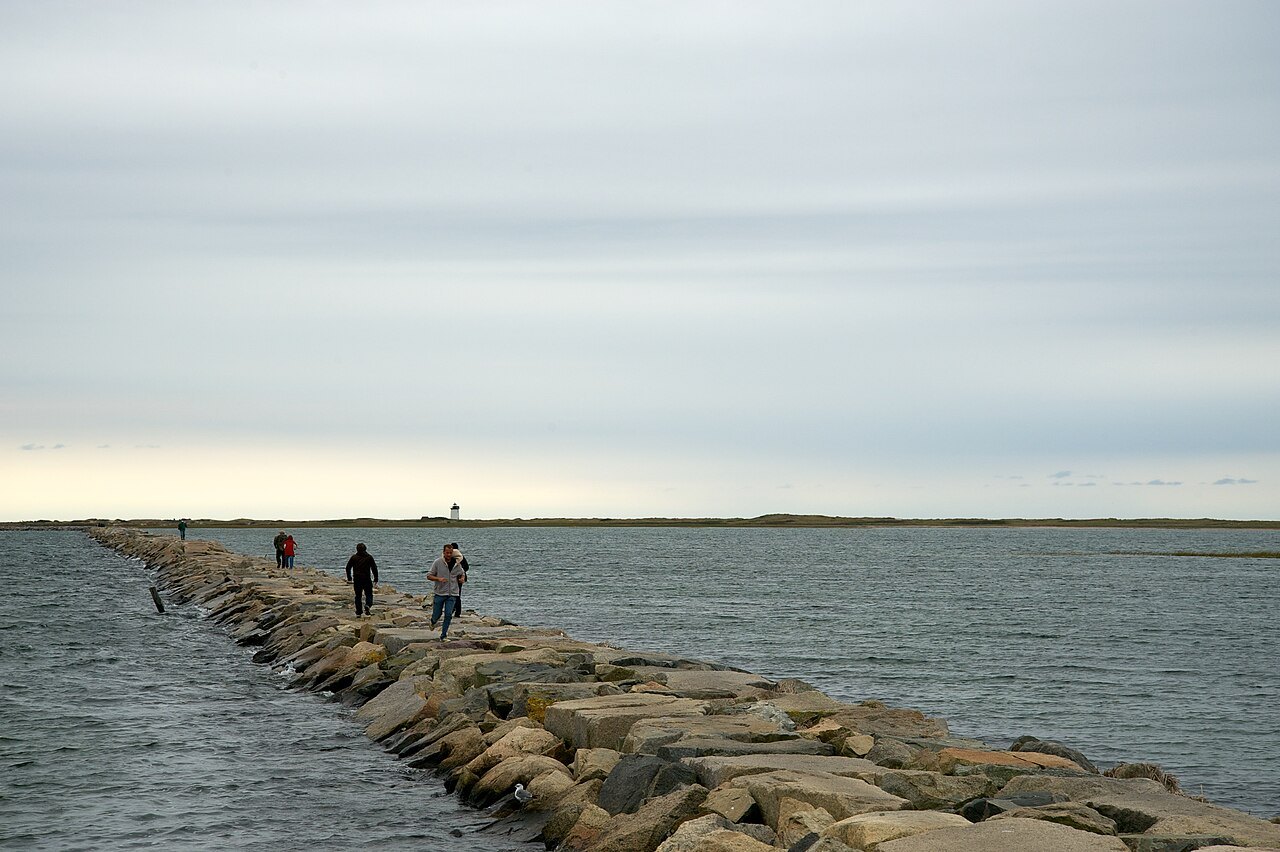
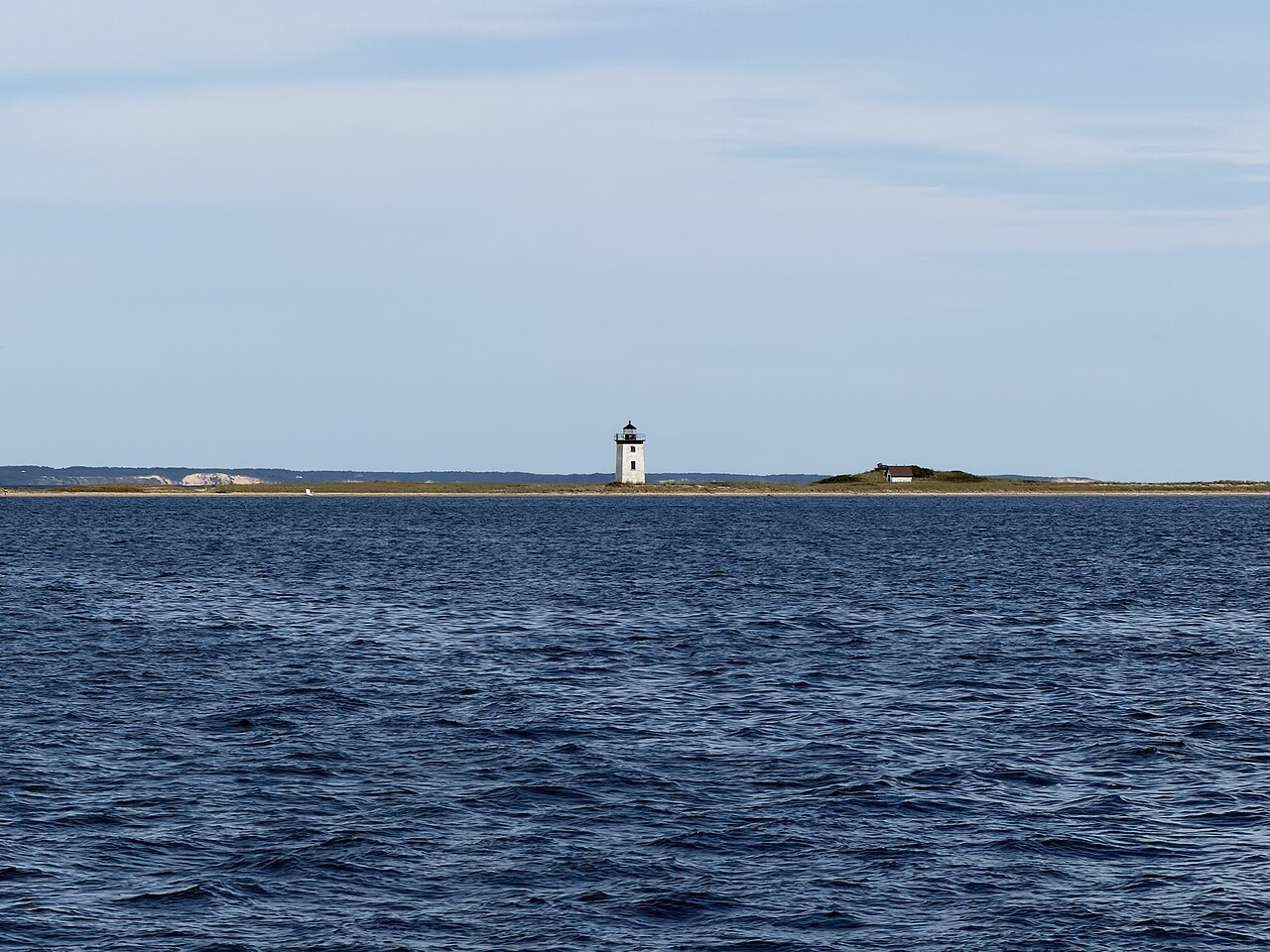
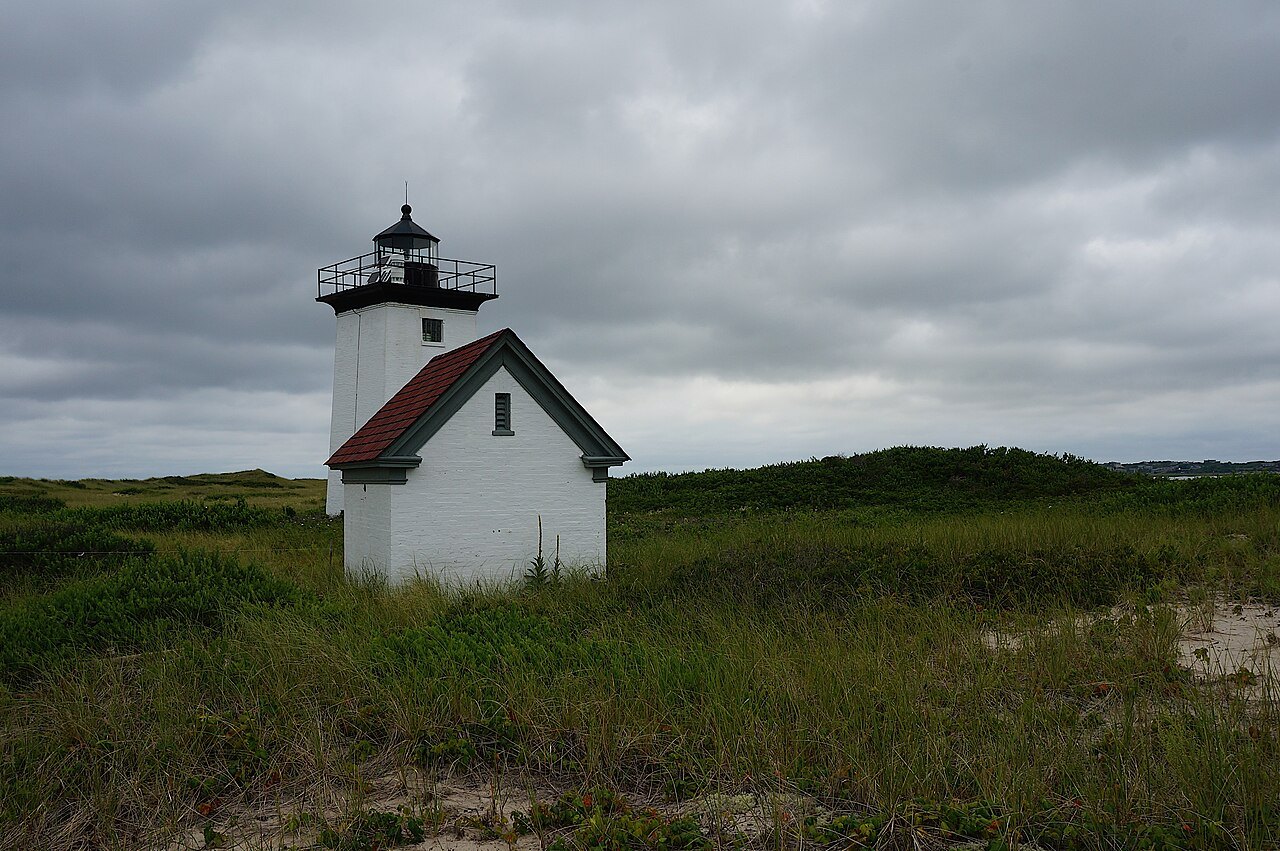
- Long PointThe curl of sand that closes the harbor, with its light at the end.
- The Province LandsDunes and small ponds from Mount Ararat to Race Point on the bay side.
- The art colonyA century of painters and writers, from the Cape Cod School of Art to the Provincetown Players.
The town in fullII
Reading the place
The town in brief
Provincetown sits at the very tip of Cape Cod, a small coastal resort with a year-round population of 3,664 at the 2020 census and as many as sixty thousand people in summer. Often called P-town, it is known for its beaches, its harbor, its artists and its tourism, particularly among LGBTQ travelers, and for a history that begins before Plymouth's.
The town is built along a single long waterfront, with Commercial Street running behind the harbor and the dunes of the Province Lands rising to the north. Around it lies the Cape Cod National Seashore, whose beaches and lighthouses at Race Point and Long Point are part of any visit.
Where the Pilgrims landed first
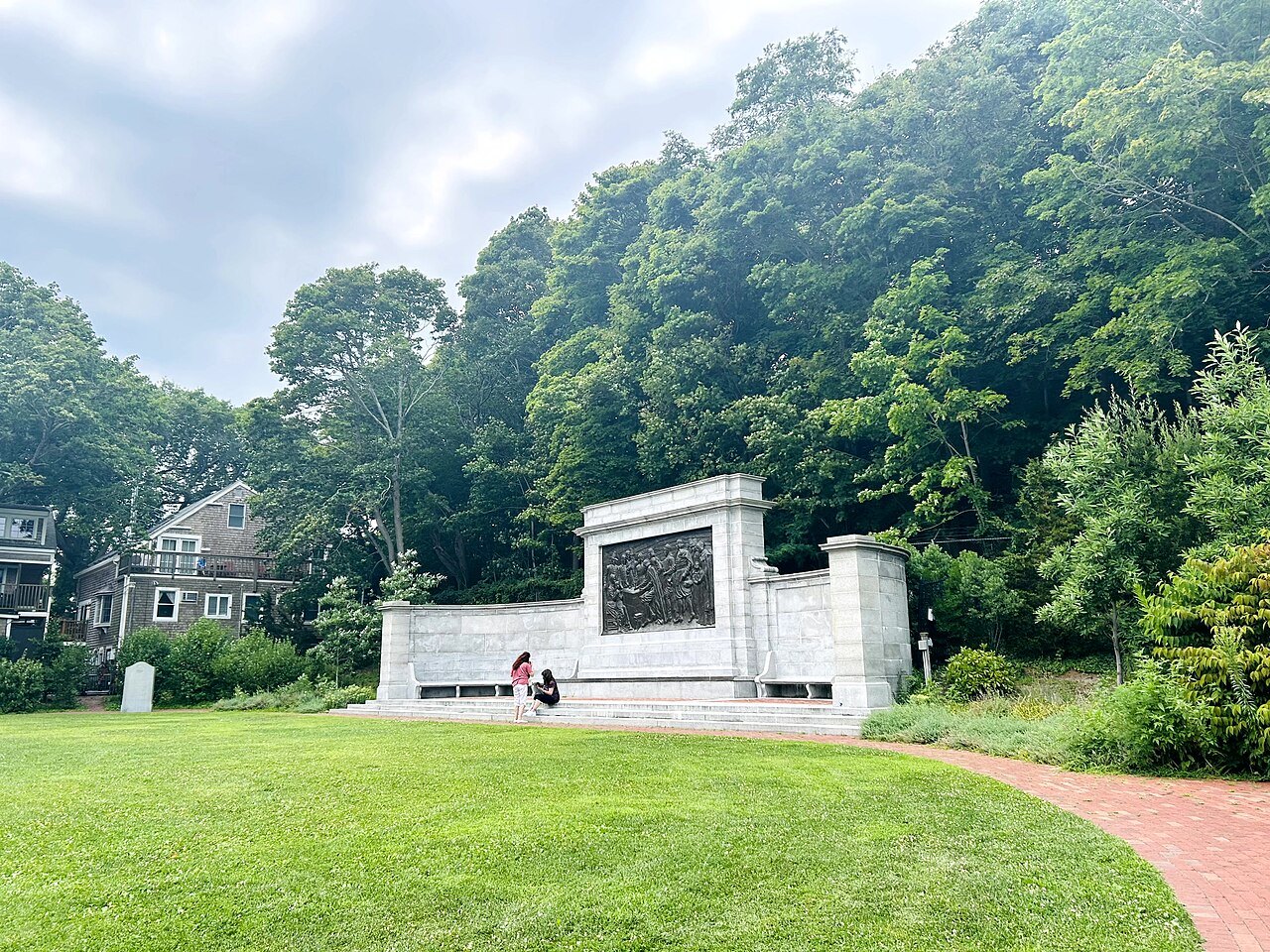
The Mayflower's passengers made their first landfall here in November 1620, and it was in Provincetown Harbor that they drew up and signed the Mayflower Compact before they sailed on across the bay to settle at Plymouth. A sculpture near the Pilgrim Monument remembers the event.
Cape Cod was valued from the start for its fishing grounds and its harbor, a naturally deep, protected basin considered the best on the coast. The land from East Harbor, now Pilgrim Lake, to Long Point was kept for the benefit of Plymouth Colony, which leased fishing rights to visiting fishermen, and it was renamed the Province Lands; a municipal government over it is first recorded in 1714.
After harboring ships for more than a century, the Precinct of Cape Cod was incorporated as a township on June 14, 1727, and the town took the name Provincetown from the Province Lands around it.
Fishermen, whalers and Portuguese sailors
After the Revolution Provincetown grew quickly as a fishing and whaling center. Many Portuguese sailors, a good number of them from the Azores, were hired onto American ships and settled here, and the town still marks that heritage in its summer Portuguese Festival.
The railroad reached the harbor at Railroad Wharf, known today as MacMillan Pier, which serves the town's active fishing fleet as well as tourists and the fast ferries. The street along the water, laid out in 1835 as Front Street, is now Commercial Street, where most of the town's businesses stand.
The art colony
In 1898 the Portland Gale badly damaged the fishing industry, and artists took over many of the abandoned buildings. The same year Charles Webster Hawthorne opened the Cape Cod School of Art, said to be the first outdoor school for figure painting, and Provincetown became one of the country's great art colonies. The Provincetown Players, an important experimental theater company, formed in these years. Hawthorne's class of 1916 was filmed, and the film survives.
The Fine Arts Work Center, in the town since 1968, carries the tradition on, supporting emerging artists and writers through residencies and working to keep the historic art colony alive through the year. The town's public library occupies the former Center Methodist Episcopal Church on Commercial Street.
Theater stayed part of the town's life. In 1940 Catharine Sargent Huntington, Edwin Pettit and Virginia Thoms founded the Provincetown Playhouse on the Wharf, replacing an older theater that stood from 1915 to 1924, and under Huntington a play by Eugene O'Neill was staged every summer; in 1966 the playhouse held an O'Neill festival of ten of his plays. The Provincetown Art Association and Museum, open all year, celebrated its centennial in 2014.
The Pilgrim Monument
Above the town rises the Pilgrim Monument, built between 1907 and 1910 to remember the Pilgrims' first landfall and the signing of the Compact. It is a granite campanile 252 feet tall, the tallest all-granite structure in the United States, modeled on the Torre del Mangia in Siena. President Theodore Roosevelt laid the cornerstone on August 20, 1907, and President Taft dedicated it on August 5, 1910.
Visitors climb the tower for the view over the harbor, the Province Lands and the bay, and the Provincetown Museum stands at its base. The monument is part of the Provincetown Historic District.
A resort for everyone
A gay presence in Provincetown goes back to the start of the twentieth century, when the art colony and the experimental theater were growing, and by the 1970s the town had a large gay population, especially in summer. In 1978 the Provincetown Business Guild was formed to promote gay tourism; today more than two hundred businesses belong to it, and the town is perhaps the best-known gay summer resort on the East Coast. The Atlantic House is considered the oldest gay bar in the country. The Guild's Carnival Week and Bear Week are among the summer's largest events, and cruise ships call at the harbor several times a year.
Dunes and water
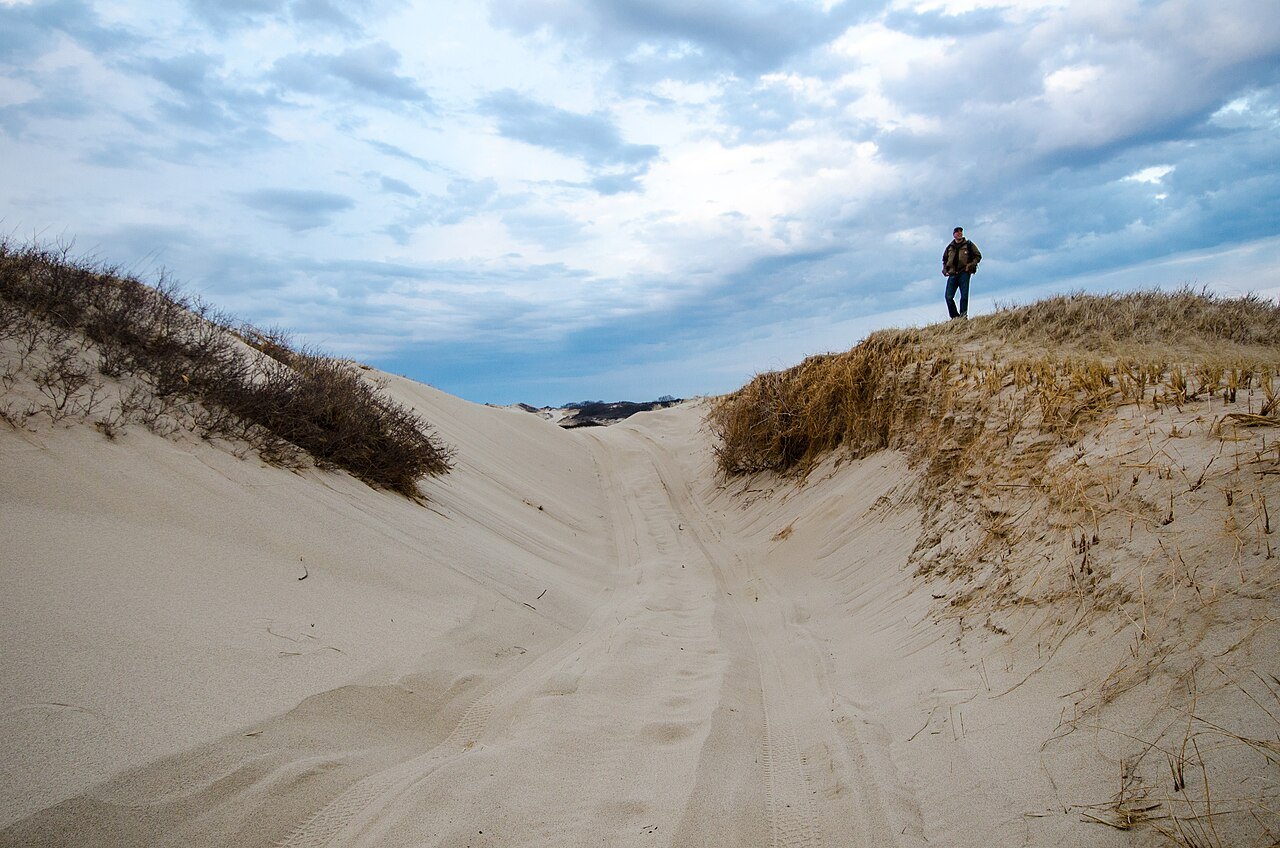
To the north lie the Province Lands, dunes and small ponds stretching from Mount Ararat, named for Noah's landing place, in the east to Race Point in the west. The Cape Cod Bay shore runs from Race Point round to Wood End and east to Long Point, which curls back toward the town and closes the harbor. Summer brings the town's best-known festivals, among them the Portuguese Festival and Carnival Week.
How to visit
Provincetown is the end of the road along Cape Cod, and high-speed ferries land at MacMillan Pier, the alternative to the long drive. The town is best on foot or by bicycle: walk Commercial Street end to end, climb the monument, and spend a day in the dunes and on the beaches of the National Seashore. Summer is crowded and lively; spring and autumn are quieter.
Where to go nextIII
Nearby
- Nearby · Cape Cod · the Outer CapeCape Cod National SeashoreNearly forty miles of Atlantic shore on the outer arm of Cape Cod, set aside on August 7, 1961: high sand cliffs and dunes, kettle ponds and pine woods, and a chain of lighthouses from Nauset to Race Point.Read the page →
- Nearby · South ShorePlymouthAmerica's Hometown, where the Mayflower Pilgrims founded their colony in 1620 on the site of the Wampanoag village of Patuxet: the harbor and its famous rock, the oldest continually operating museum in the country, and the largest town by area in Massachusetts.Read the page →
- Nearby · The Islands · NantucketNantucketAn island about thirty miles south of Cape Cod, once the whaling capital of the world, whose town the Park Service calls the finest surviving New England seaport of the late 1700s and early 1800s.Read the page →