Home · Landmarks · The Mount, Edith Wharton's House
What you are looking atI
The Mount, Edith Wharton's House
The Berkshires · Lenox
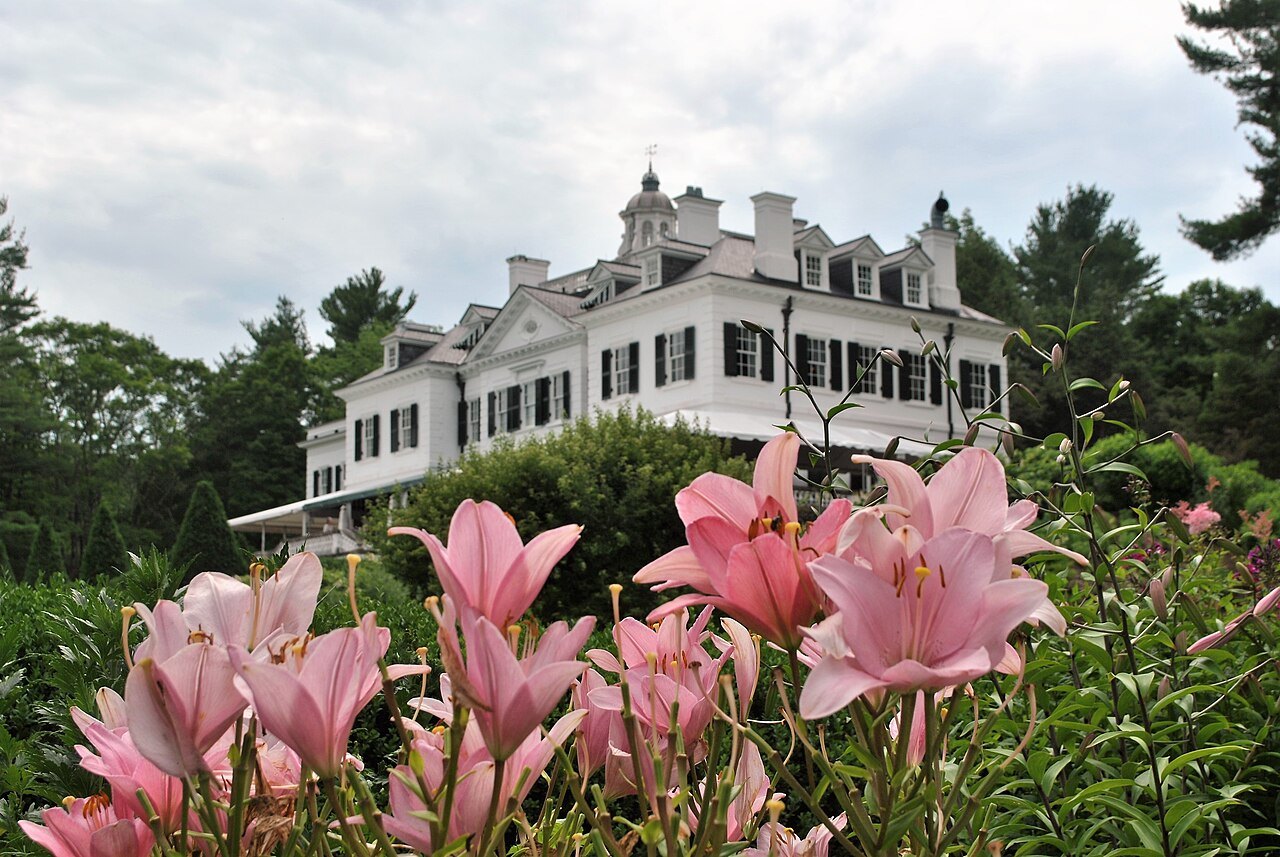
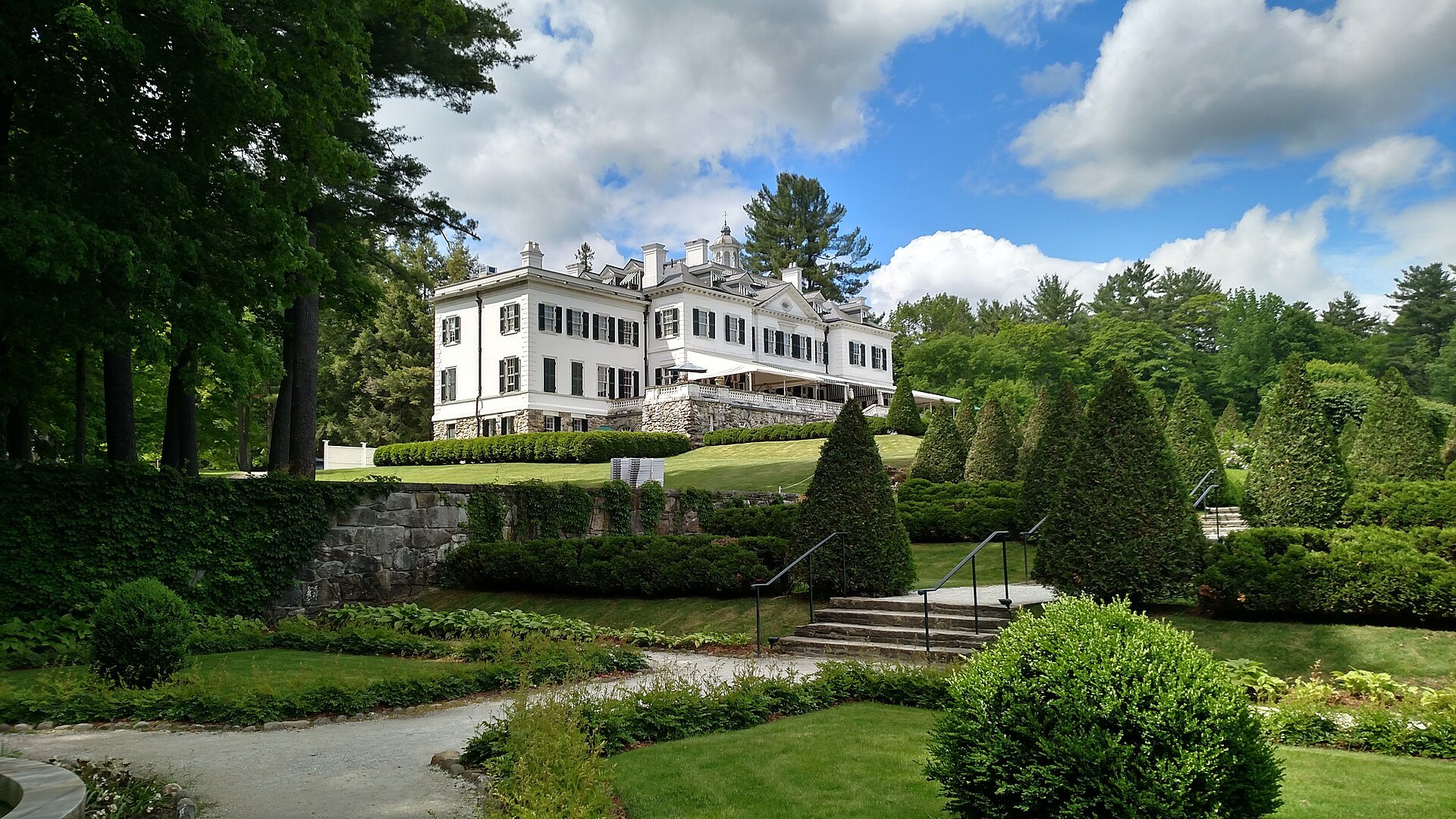
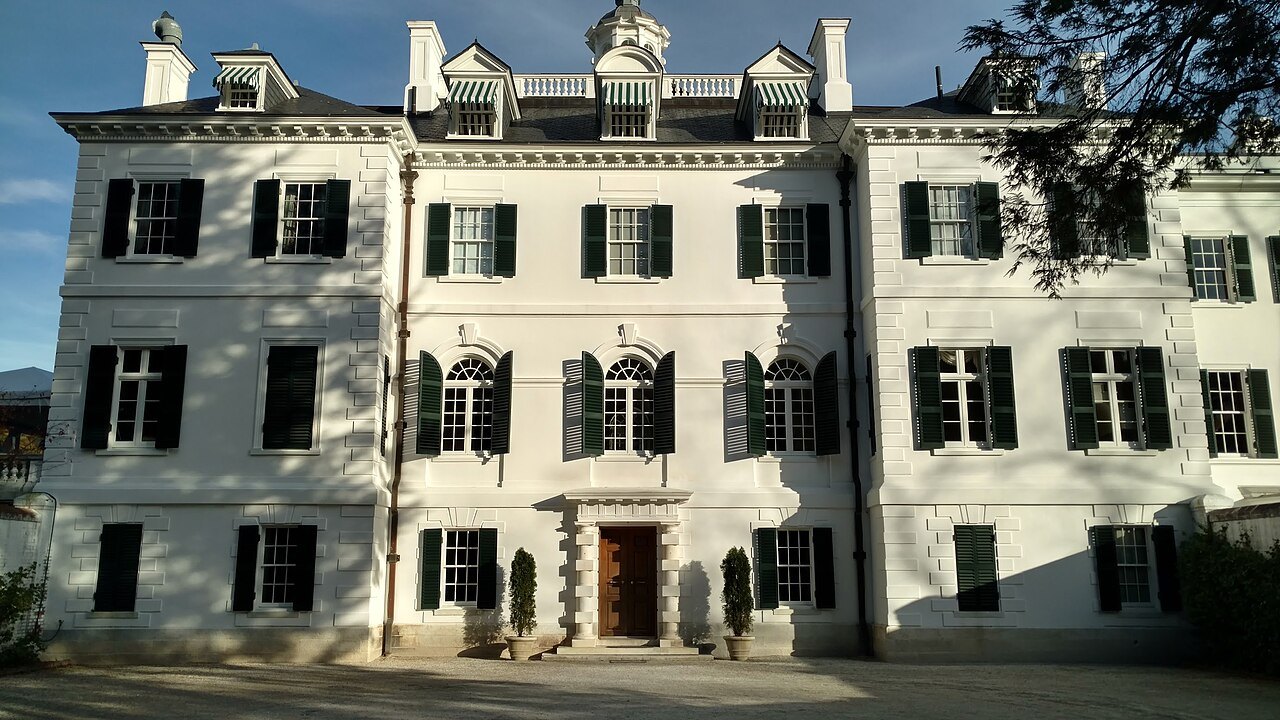
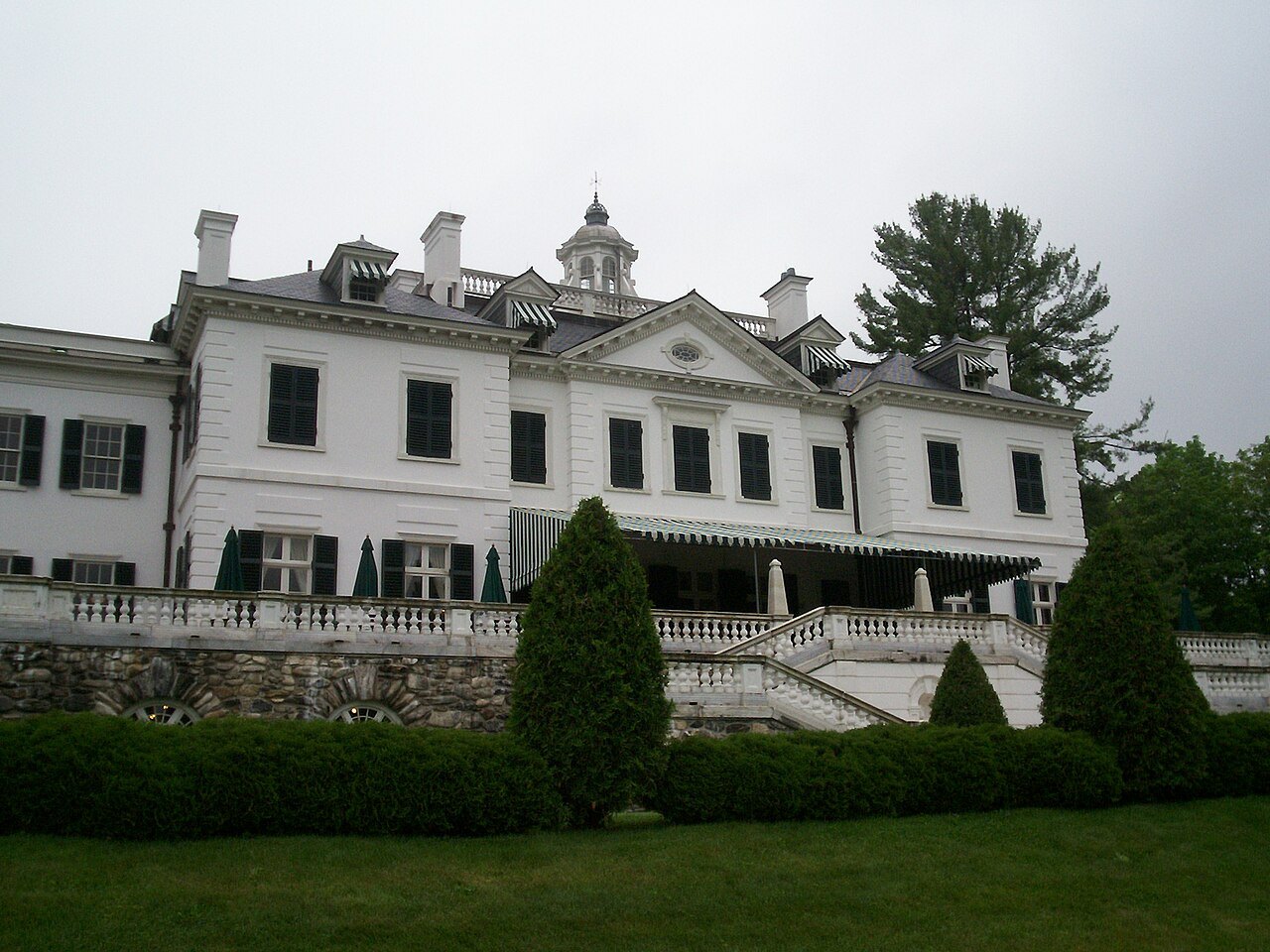
- The houseWhite stucco with dark green shutters, three stories at the entrance and two on the garden side.
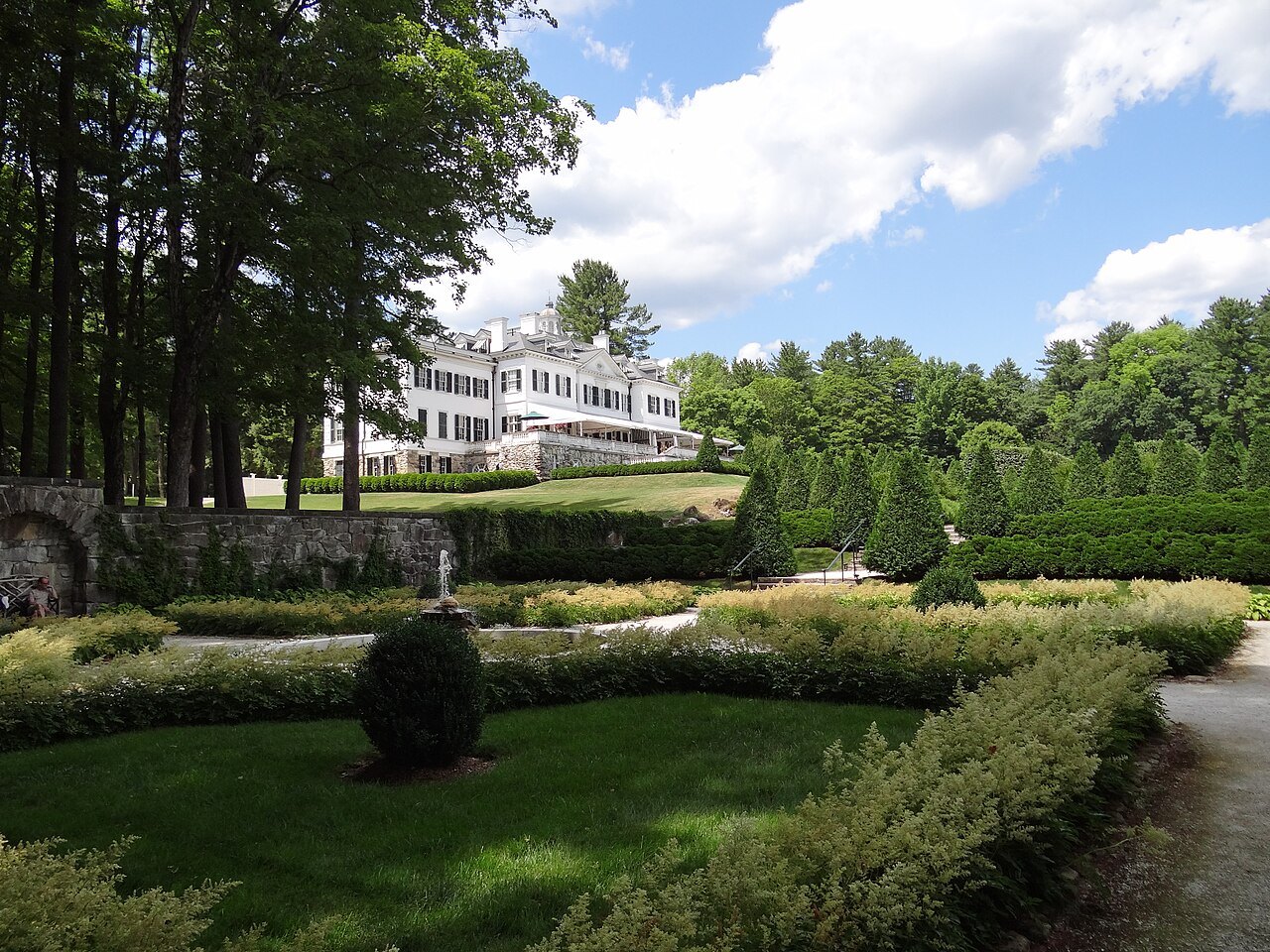
- The terraceA broad raised stone terrace looking down over the gardens.
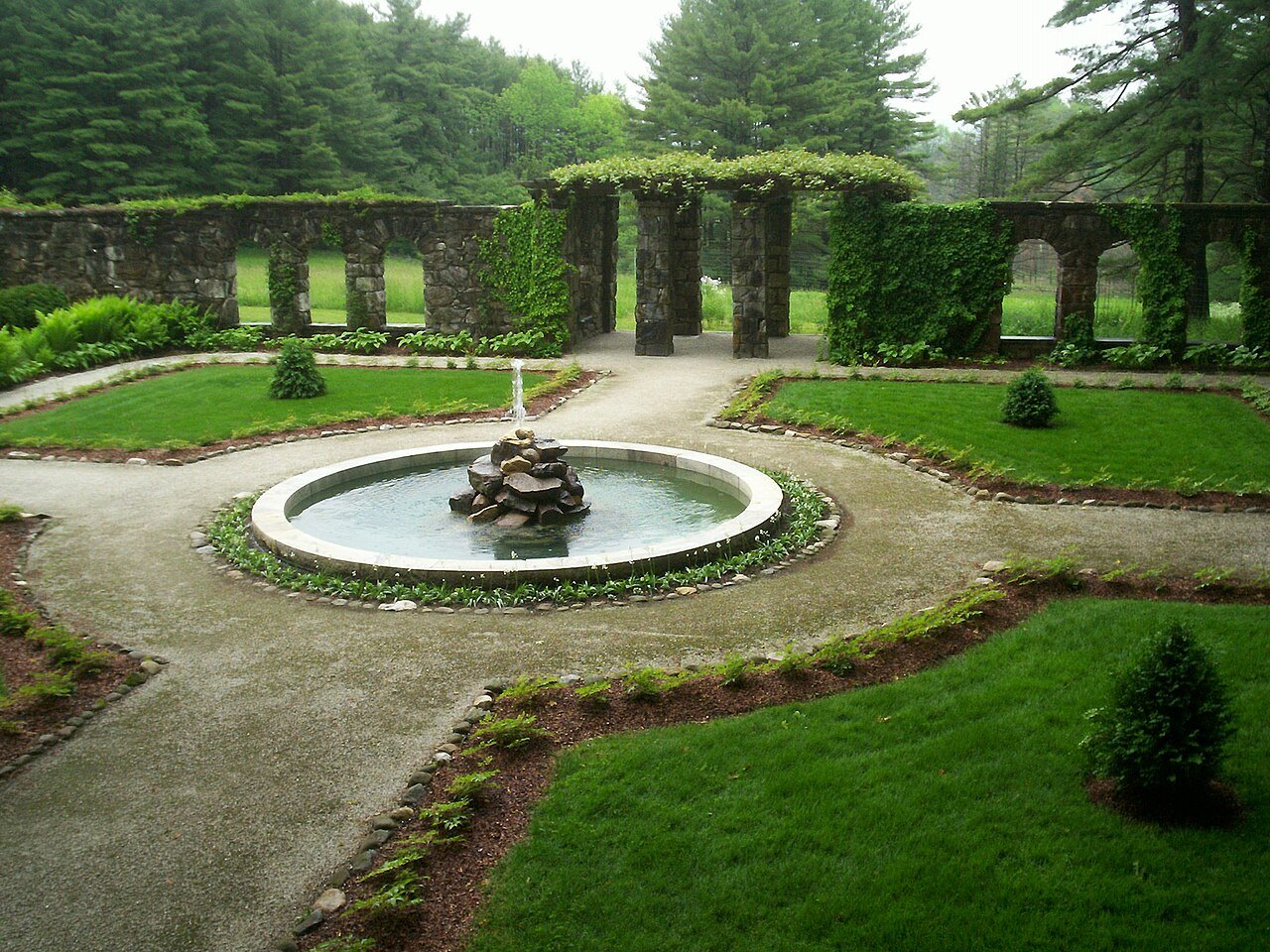
- The Italian walled gardenOne of the restored gardens, with the flower garden and the alpine rock garden.
- The lime walkAn avenue of lime trees linking the gardens across the grass terraces.
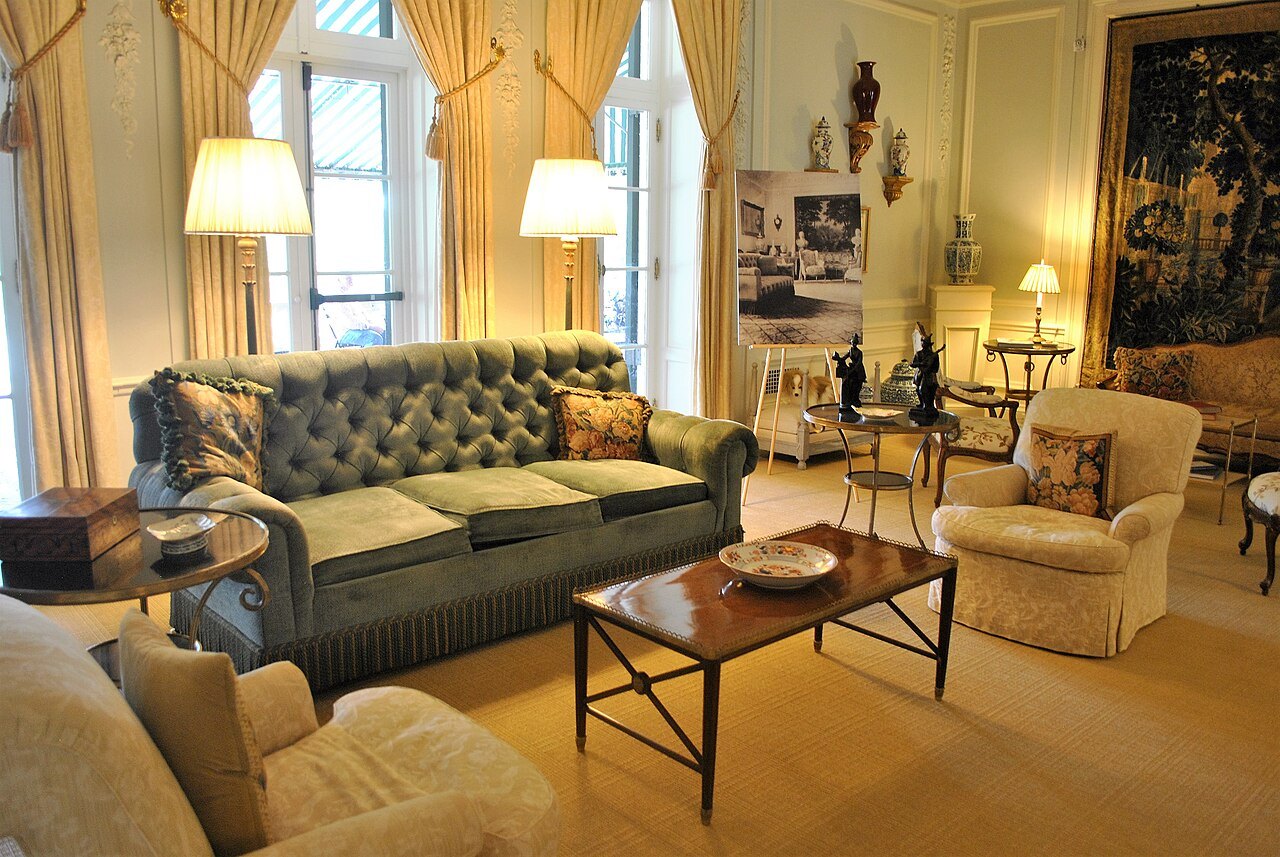
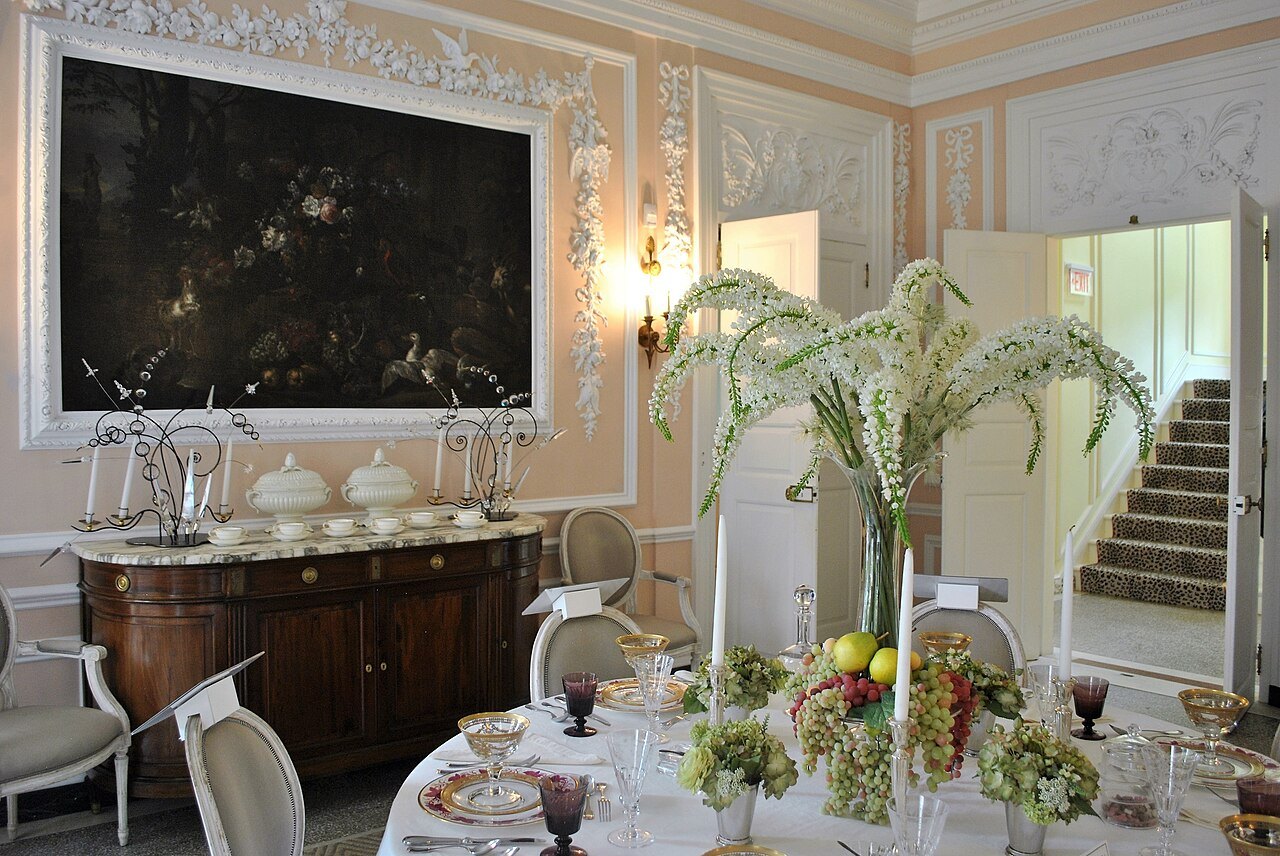
- The roomsInterpreted rooms where visitors may sit, with exhibits on Wharton and her servants.
- The kitchen gardenLaid out, with the drive, by Wharton's niece, the landscape architect Beatrix Farrand.
The place in fullII
Reading the place
Why it matters
The Mount is the country house in Lenox that the novelist Edith Wharton designed, with its grounds, in 1902, and that she called her first real home. She lived there with her husband Edward until 1911, and in it she wrote The House of Mirth, published in 1905, her best-known picture of life in old New York. In 1921 she became the first woman to win the Pulitzer Prize for Fiction, for The Age of Innocence.
The house was declared a National Historic Landmark in 1971. Today it is a cultural center and historic house museum, restored with its gardens, that welcomes more than fifty thousand visitors a year, and it survives as an example of her own design principles, built as a statement of how she believed a house should be made. In the fall of 2012 Vogue gave it an eight-page spread photographed by Annie Leibovitz.
A house built on a book
Before the Mount, Wharton had decorated an earlier house, Land's End, with the help of Ogden Codman, and her first book was not a novel but a study of design, The Decoration of Houses, written with the architect Ogden Codman Jr. and published in 1897. At the Mount she put its principles into practice: good architecture, she thought, came from order, scale and harmony. The main house was inspired by Belton House, a seventeenth-century country house in England, with influences from classical Italian and French architecture.
The result is a house of white stucco, strongly set off by dark green shutters, rising from a rough stone foundation. On the entrance side to the west it is three stories; on the garden side it is two, opening onto a large raised stone terrace that looks over the grounds. The house stands at the high end of its land, so that the gardens fall away below it.
The gardens
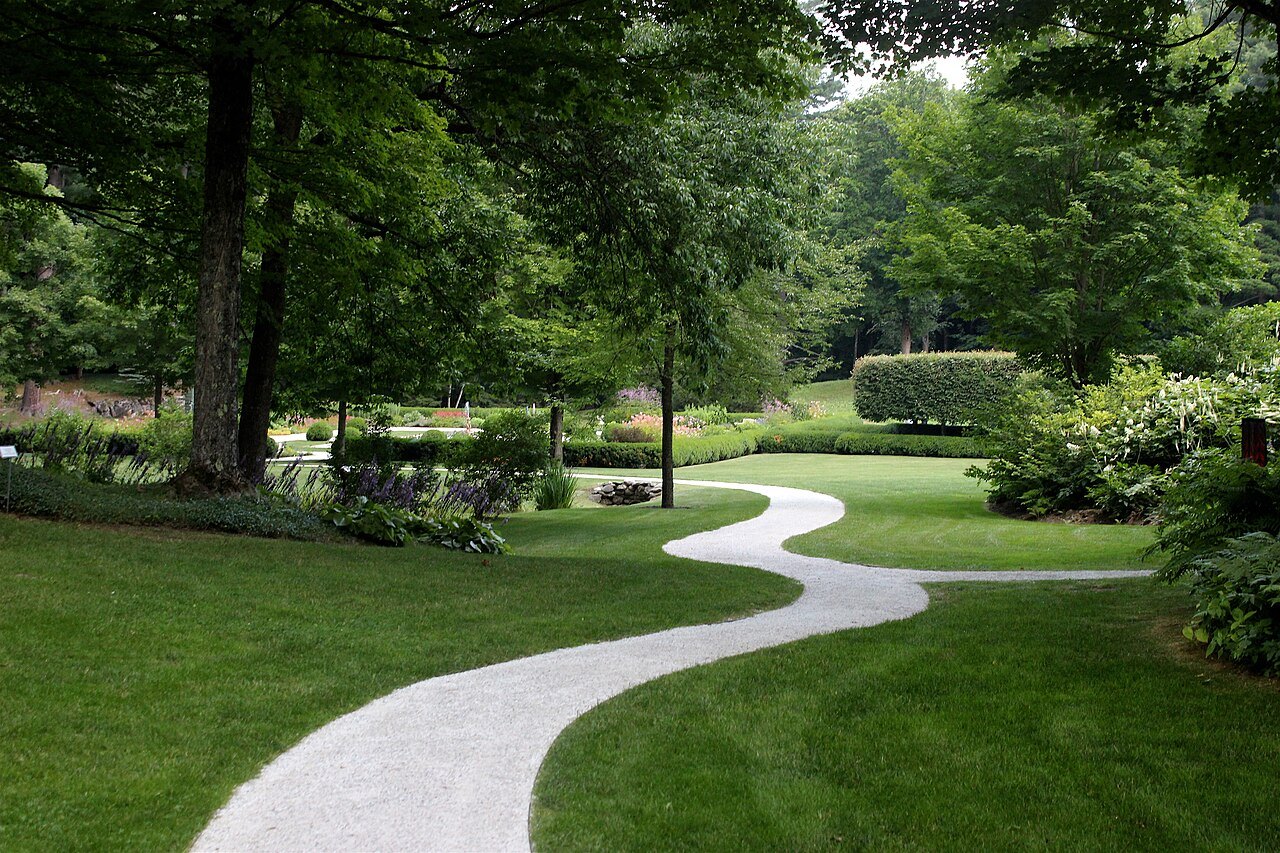
Wharton cared as much about the grounds as about the house. The estate began as 113 acres of farmland, with fifteen more added later, and today covers about fifty acres. The restored gardens include an Italian walled garden, a formal flower garden, an alpine rock garden, a lime walk and wide grass terraces, laid out to be seen from the terrace and walked in sequence.
Her niece, Beatrix Jones Farrand, designed the kitchen garden and the drive. Farrand was the only woman among the eleven founders of the American Society of Landscape Architects, and her work here is part of what makes the grounds worth the walk.
Wharton at the Mount
Wharton, born in New York, had traveled in France, Italy, Germany and Spain with her family as a child and spent much of her life there, in Italy, France and England, and wrote books about her travels. At the Mount she lived the life of a working writer in the country. Besides The House of Mirth she wrote The Fruit of the Tree, published in 1907, and other fiction there; among her other well-known works are the novella Ethan Frome and a number of ghost stories.
The years at Lenox ended as her husband's depression worsened. The Whartons left in 1911. The house passed through other hands: it was a private home, from 1942 a dormitory of the Foxhollow School for Girls, and after the school closed in 1976 the home of the theater company Shakespeare & Company. Edith Wharton Restoration then bought it and has returned much of it to its first condition.
Inside the house
Tours take in the house and the gardens, and visitors are invited to sit in the rooms and use them rather than view them from behind ropes. Exhibits throughout the house tell the story of Wharton and of the servants who ran it, of her humanitarian efforts and of her literary legacy.
The Mount presents lectures, readings, theater, music, workshops, outdoor sculpture, films and literary panels with more than forty local partner organizations, and it has become a literary center, with writers from Billy Collins to David McCullough appearing there. It also has a long reputation for unexplained noises, reported by students and actors, and investigated by a television ghost-hunting series in 2009, which came back for a second episode in 2015. Other writers who have appeared at its events include Adam Gopnik, Garrison Keillor and John Berendt.
Lenox and the Berkshire cottages
The Mount belongs to the Berkshire Cottage era, from about 1880 to 1920, when the small town, first set off as a separate place in 1767 under the name Yokuntown, was transformed into a Gilded Age resort and wealthy families opened immense houses for the Berkshire season, from late summer into early fall. Lenox is also home to Tanglewood, since 1937 the summer home of the Boston Symphony Orchestra, and nearby are other houses of the era, among them Naumkeag and Chesterwood.
That season shaped the Mount's design as much as the book did: a house meant for summer and early autumn, for guests and long walks in the gardens, set high on its land to catch the view across the hills. Lenox itself, with its villages of New Lenox and Lenox Dale, is still a summer destination, and Shakespeare & Company, the theater company that once used the Mount, has its home in the town. The house, the festival grounds and the other great cottages make the town the center of the Berkshires' summer.
How to visit
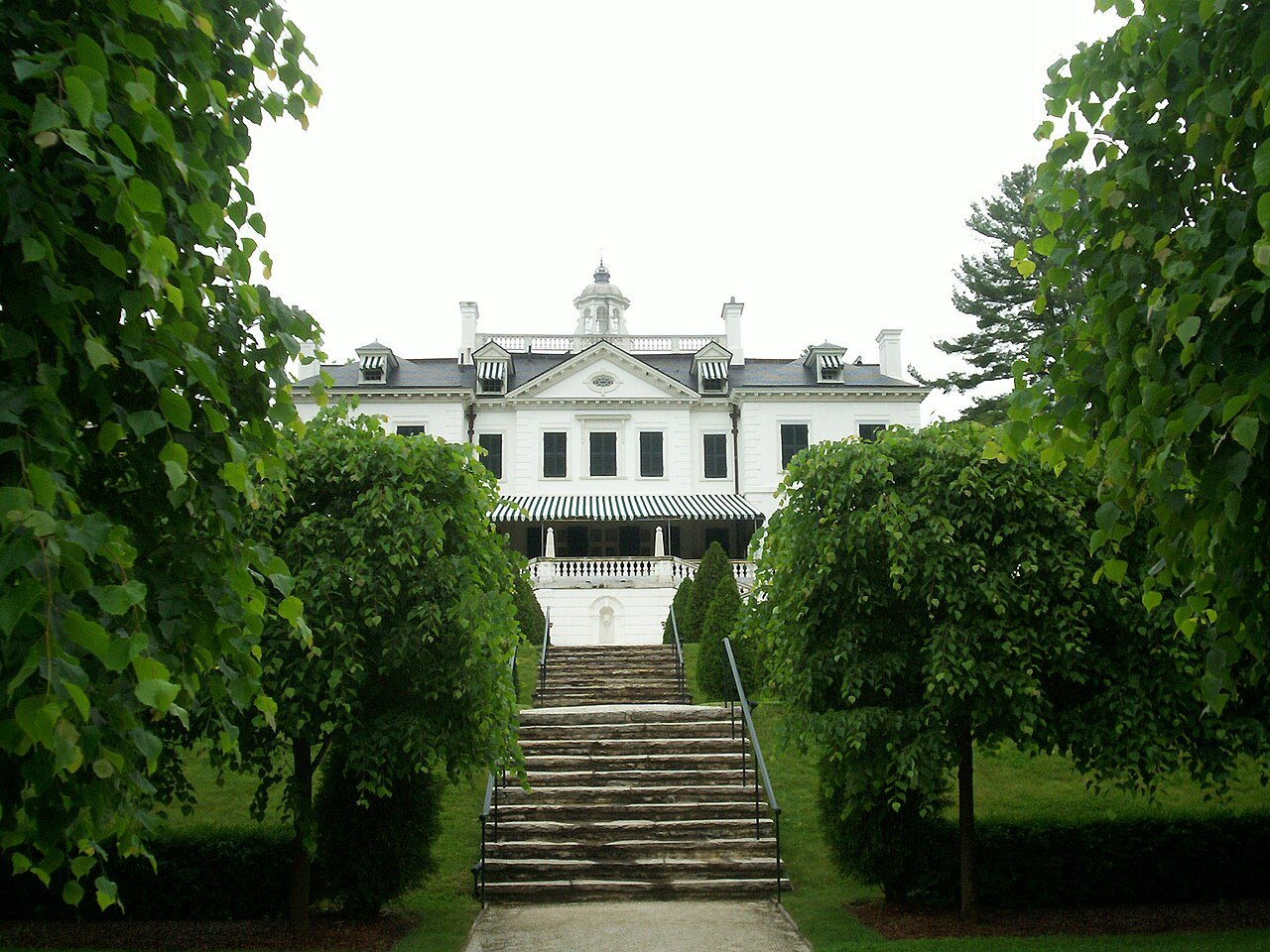
The Mount sets its own season, tickets and tours; check its site before going. Give the house and the gardens two or three hours, walking the terrace and then the gardens below it. Combine it with Hancock Shaker Village to the north, or with a concert at Tanglewood in summer, when the Berkshires are at their busiest.
Where to go nextIII
Nearby
- Nearby · The Berkshires · PittsfieldHancock Shaker VillageA Shaker community in the Berkshire hills from 1790 to 1960, the third of nineteen, now an open-air museum of twenty historic buildings, among them the Round Stone Barn of 1826 and the Brick Dwelling of 1830.Read the page →
- Nearby · Pioneer ValleyNorthamptonThe county seat of Hampshire County on the west bank of the Connecticut River: a college town around Smith College, founded in 1871, with a busy arts and music scene, a history that runs from Jonathan Edwards to Calvin Coolidge, and rail trails out into the valley.Read the page →
- Nearby · Central · SturbridgeOld Sturbridge VillageNew England's largest living museum: a country town of the 1790s to the 1830s on more than two hundred acres, with 59 antique buildings brought from across the region, three water-powered mills and a working farm.Read the page →