WAMPANOAG HOMESITE AT PLIMOTH PATUXETI
What is the Wampanoag Homesite at Plimoth Patuxet?
How the Wampanoag Homesite at Plimoth Patuxet tells its own history beside the reconstructed English colony.
The answer in fullII
Read on
A Home Beside the Colony
The Wampanoag Homesite is part of Plimoth Patuxet, the living history museum in Plymouth that recreates Plymouth Colony and the land on which it stood. Added in 1973, it stands beside the museum's English Village, a short walk from the reconstructed colonial houses, and recreates a home site where Native people explain and demonstrate how Wampanoag ancestors lived on the ground that became the colony.

The homesite is not a street of houses like the village next to it, but a cluster of structures and open ground where the daily tasks of Wampanoag life before and during the colonial period are shown. Interpreters there are Native people from a variety of nations, dressed in traditional clothing, working through the tasks of a household rather than following a script tied to one year.
Plimoth Patuxet is a not-for-profit museum, and everything shown across its sites, buildings, clothing and tasks, is built on first-hand records, accounts, paintings, artifacts, and its own research and archaeology. The homesite applies that same standard to a history that predates any English record of the land, carried instead through the knowledge of the people who staff it.
Who Tells the Story
The English Village is peopled by trained first-person interpreters who speak, act and dress as colonists of 1627 for most of the season, answering questions in character and staying inside the world of that year. The Wampanoag Homesite works differently. Its interpreters, Native people from a variety of nations, speak as themselves, in traditional dress, explaining and demonstrating the lives of Wampanoag ancestors rather than performing a role tied to a single date.
That distinction matters to a visitor moving between the two sites in one afternoon. In the village, a question addressed to a costumed colonist may be met with an answer rooted entirely in 1627; the same question put to someone at the homesite is more likely to be answered directly, drawing on history, craft and knowledge passed down rather than on a part being played.
The two forms of interpretation, first-person at the village and direct explanation at the homesite, are part of how the museum draws its line between a reenacted colony and a living, continuing people. The Wampanoag did not end in 1627, and the homesite is built to make that plain rather than leave it implied.
The Land Called Patuxet
Before the Pilgrims arrived in December 1620, the ground beneath both the English Village and the Wampanoag Homesite was Patuxet, a village of the Wampanoag. The colonists who settled on it faced a first winter of hunger and poor shelter, and it was Wampanoag help, not English preparation, that carried the small settlement through its hardest months.
That help came from Samoset and from Tisquantum, known to the colonists as Squanto, who had himself been kidnapped in 1614 and sold into slavery in Spain before returning to his home country. Squanto was sent by the Wampanoag leader Massasoit as an envoy and adviser to the new arrivals, and the homesite's presentation of Wampanoag life sits behind that part of the story the village tells.
After a good harvest in the autumn of 1621, the colonists gathered with Squanto, Samoset, Massasoit and about ninety Wampanoag men in the event now remembered as the first Thanksgiving. The English Village represents that year each November; the homesite's own account of Wampanoag life is the other half of the same history, set beside it rather than folded into it.
Why Patuxet Replaced Plantation
For most of its history the museum was known as Plimoth Plantation. In 2020, as the four hundredth anniversary of the Pilgrims' arrival was marked, it took the new name Plimoth Patuxet, after Patuxet, the Wampanoag village whose site the colony occupied, and under whose name the Wampanoag Homesite now sits beside the reconstructed English houses.
The change was made because the word plantation, which once simply meant a colony, had come to be closely associated with estates worked by enslaved people, a meaning the museum did not want attached to its name. Patuxet instead names the actual village on the ground, English and Wampanoag together, rather than only the settlement that followed it.
The renaming made in words the same point the museum had already built in wood and grounds decades earlier: that the colony and the people whose land it was belong in the same visit, seen within the same afternoon, rather than as separate stories told at different times to different visitors.
Visiting the Homesite
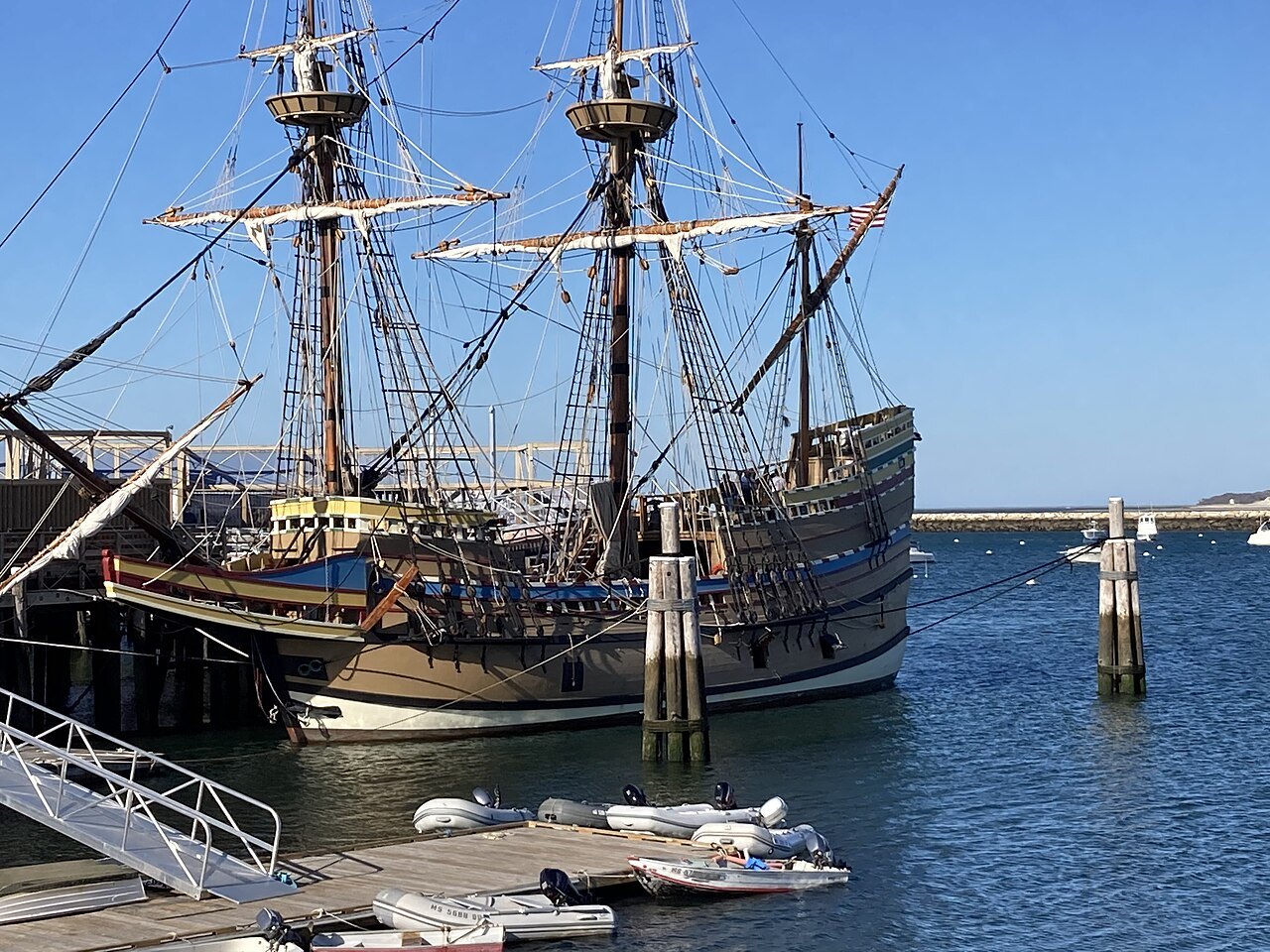
The Wampanoag Homesite and the English Village stand together on the museum's grounds outside the Plymouth town center, with the homesite a short walk from the reconstructed colonial houses. The Mayflower II, also part of the museum, is separately docked on the Plymouth waterfront, so a visit covering all three sites usually means a short drive between the museum's grounds and the center of town.
Give the village and the homesite together half a day. The interpreters at both sites reward time and direct questions, and a brief pass-through will miss most of what either has to offer, since both are built around conversation, demonstration and the ordinary tasks of a working day rather than signage alone.
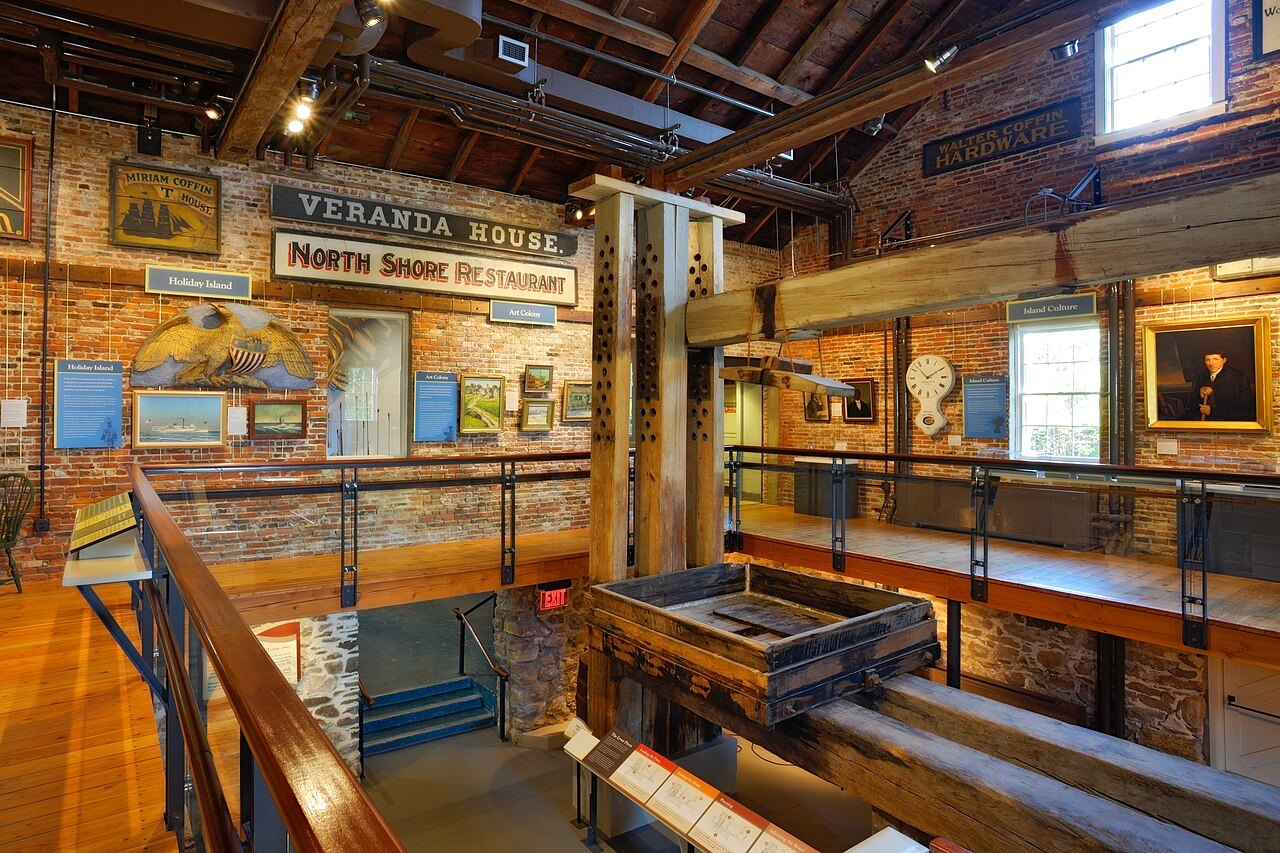
The museum's season runs from early April to late November, and Plimoth Patuxet sets its own tickets and hours for the grounds, the village and the homesite. Check the museum's site, and the when to come guide for the wider state, before planning a visit.
Seeing the Rest of Plimoth Patuxet
Beyond the village and the homesite, the museum's grounds include Nye Barn, where historical breeds of livestock are kept, a crafts center where many of the objects used in the village are made, and the Hornblower Visitor Center, with indoor exhibits and a cinema. The Plimoth Grist Mill, added in 2013, is a further stop nearby.
On the waterfront in town, also in the museum's care, lies the Mayflower II, a reproduction of the ship that carried the Pilgrims across the Atlantic in 1620, built in Devon in the nineteen-fifties and sailed to Plymouth to recreate the original voyage. Staff aboard explain the ship and the crossing from a modern, third-person view.
Plymouth Rock, Pilgrim Hall and the rest of Plymouth's town center are a short walk from the ship, making it possible to pair a morning spent at the Wampanoag Homesite and the English Village with an afternoon on the waterfront and in the town itself.
Read nextIII
More from the journal
- PlymouthIs Plymouth Rock really where the Pilgrims landed?Plymouth Rock is honored as the Pilgrims' landing place of December 1620, but neither of the colony's own chroniclers mentions it, and the claim was first made in 1741. How the legend began, how the rock was split, moved and rejoined, and what to see in Plymouth when you go.Read the piece →
- Lexington, Concord and the Old North BridgeWhat was the shot heard round the world?The phrase behind the North Bridge, Daniel Chester French's statue, and how to see the ground where it happened.Read the piece →
- ProvincetownDid the Pilgrims really land in Provincetown first?Provincetown's harbor saw the Mayflower before Plymouth did — the story behind the Pilgrims' real first landfall.Read the piece →