MARKET BELOW, REVOLUTION ABOVEI
Why is Faneuil Hall called the Cradle of Liberty?
How a Boston market hall opened in 1742 came to be known as the Cradle of Liberty, and what to look for inside today.
The answer in fullII
Read on
Why the Nickname Fits
Faneuil Hall opened in 1742 as two buildings folded into one: a market on the ground floor and a meeting hall above it, the gift of the Boston merchant Peter Faneuil. The pairing was unusual then and still shapes a visit today, since the hall keeps both of its original jobs, with stalls on the ground floor and public meetings still held upstairs.
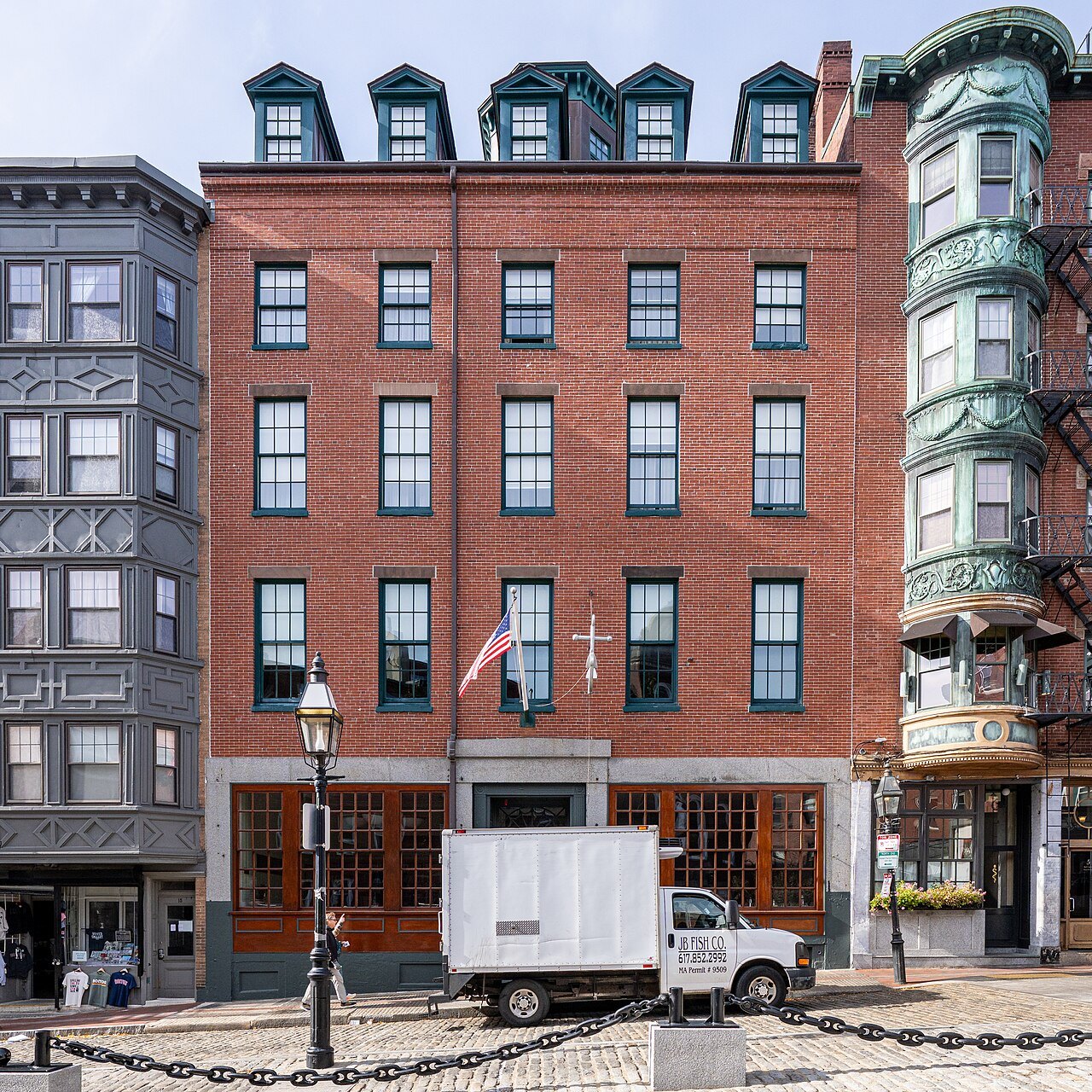
The hall stands at the start of the Freedom Trail, inside Boston National Historical Park, and is a National Historic Landmark in its own right. In the years before the Revolution it hosted speech after speech by Patriots including James Otis and Samuel Adams, arguing for colonial rights inside a building meant for selling meat and vegetables, which is how it earned its lasting nickname.
Behind the hall stand the three buildings of Quincy Market, built in 1826 to relieve a market the hall had outgrown. Since 1976 the whole complex has operated together as the Faneuil Hall Marketplace, food stalls and shops across a block paved in granite and cobblestones, with the eighteenth-century nickname still attached to the older building at its head.
Peter Faneuil's Gift
In 1740 Peter Faneuil, a colonial merchant, offered to give Boston a building for a public market, on condition that the Board of Selectmen voted to accept it. They did, and the artist John Smibert designed the building, which opened in 1742 as both market and meeting hall.
Faneuil's fortune came partly from the slave trade, a fact the building's own history now states openly rather than leaving out. The gift that gave Boston a market and a public forum was financed in part by the trafficking of enslaved people, a history worth holding alongside the building's later role in the fight for independence.
The first hall burned in 1761 and was rebuilt over the following decade, the start of a long pattern of fire, repair and enlargement. Each rebuilding kept the same basic plan, a market below and a hall above, even as materials and decoration changed with the centuries.
Rebuilt Again and Again
The Ancient and Honorable Artillery Company of Massachusetts moved into the attic in 1746 and is still there, in rooms under the cupola. In 1747, when Boston's town house burned, the Governor's Council met briefly inside Faneuil Hall, a sign the building could stand in for the seats of government when needed.
In 1806 the architect Charles Bulfinch remodeled and enlarged the hall, giving it closer to the shape it has today. It was renovated again in 1827, soon after Quincy Market opened and took over much of the trade the hall could no longer hold on its own.
Renovations in 1898 and 1899 rebuilt the interiors in materials that would not burn, a direct answer to the building's history of fire. The firm Cram and Ferguson oversaw a further renovation between 1923 and 1925, and the building has been renovated again in this century, work that keeps a working eighteenth-century building open to visitors.
Inside Faneuil Hall
Faneuil Hall is four stories of red brick, including the attic, its façade divided into bays by pilasters, with arched windows lighting the ground floor. A slate gable roof carries a cupola, and on top of it turns a weathervane shaped like a grasshopper, one of the building's best-known details.
West of the building stands a sculpture of Samuel Adams by Anne Whitney, dated to 1880, a fitting neighbor for a hall so tied to his speeches. The ground floor itself is a market room seventy-six feet by one hundred, still set with stalls much as it has been through most of its history.
A stair from the main eastern entrance climbs to the Great Hall on the second and third floors, a room twenty-eight feet high and seventy-six feet square, hung with portraits. George Healy's large painting of the Webster–Hayne debate in the United States Senate hangs there too, mounted around the time a clock was added to the hall in 1850. The National Park Service runs a visitor center on the first floor, with free Freedom Trail maps.
The Cradle of Liberty
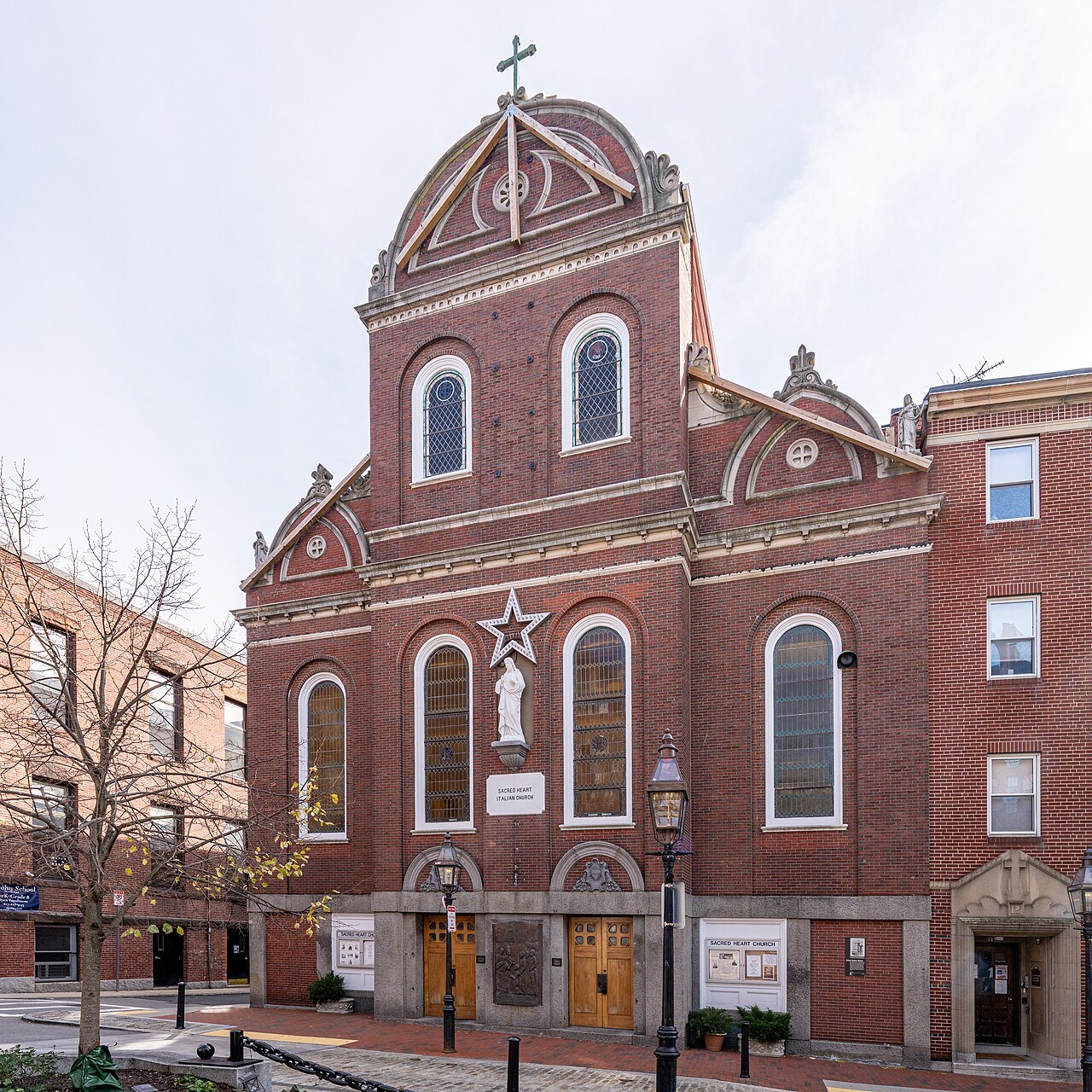
Once rebuilt, the hall became a regular venue for pro-independence speakers, and the name Cradle of Liberty followed from what happened inside it. Meetings that began with local matters widened over time into arguments about taxation, representation and eventually independence, with the market trading on below while the debates ran upstairs.
In the middle of the nineteenth century, speeches against slavery were especially prominent in the Great Hall. John Quincy Adams, Jefferson Davis, Frederick Douglass and William Lloyd Garrison all spoke there, a roster that shows how far the hall's reach extended into the national argument over slavery.
The hall is still used for public events today, from debates to naturalization ceremonies, rather than being kept as a museum piece. Commentators have long written about what it means for a market and a meeting hall to share one roof, trade below and argument above, and that tension is still visible on a visit.
Quincy Market, Built to Relieve the Hall
By the 1820s Boston had outgrown the market under Faneuil Hall, and Mayor Josiah Quincy began work to replace it in 1823. The architect Alexander Parris designed three new buildings on Merchants Row, opened on August 26, 1826, giving the town far more room for trade than the hall had offered.
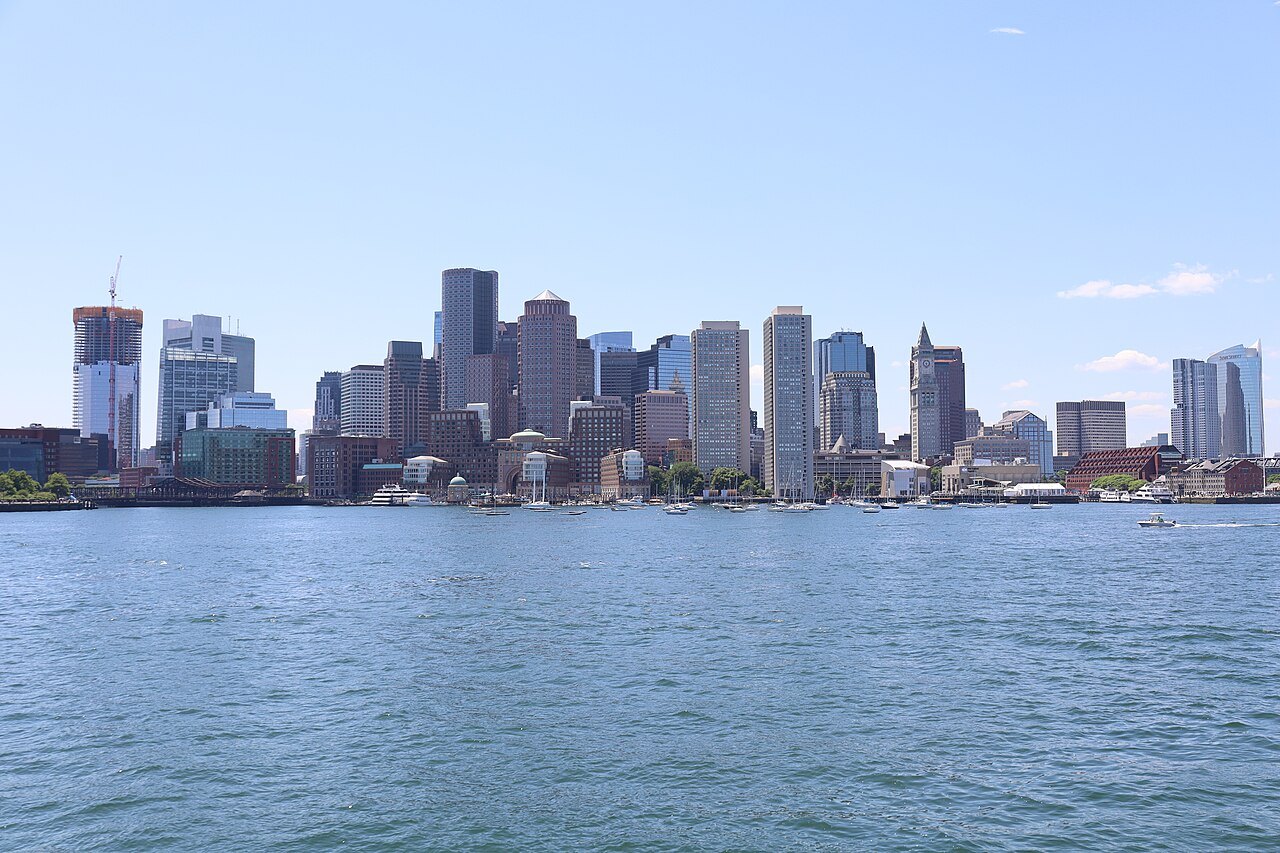
The granite for the buildings came down the Middlesex Canal, shipped by Gridley Bryant, one of three granite contractors on the project. The city built the central building, while the North and South Markets on either side were owned and developed separately by individual merchants, each with its own stores.
The central building, usually just called Quincy Market, is granite, with a domed middle section, two long wings and a portico at each end. A passage runs its whole length between the porticoes, lined with stalls, with a double-height rotunda at the center beneath the dome, while the North and South Markets are simpler brick and granite.
A Marketplace Again, and How to Visit
By the middle of the twentieth century the market had fallen into disrepair, and the Boston Redevelopment Authority acquired most of the complex in the 1960s. After an earlier plan fell through, the Rouse Company leased the buildings, and developer James Rouse with architect Benjamin Thompson began renovating it in 1972.
The marketplace reopened in stages between 1976 and 1978 as the Faneuil Hall Marketplace, food stalls and shops that proved both profitable and popular. Larger brands replaced many smaller shops in the 1980s, and the buildings were renovated again in the 1990s and 2000s, keeping the complex in near-constant use.
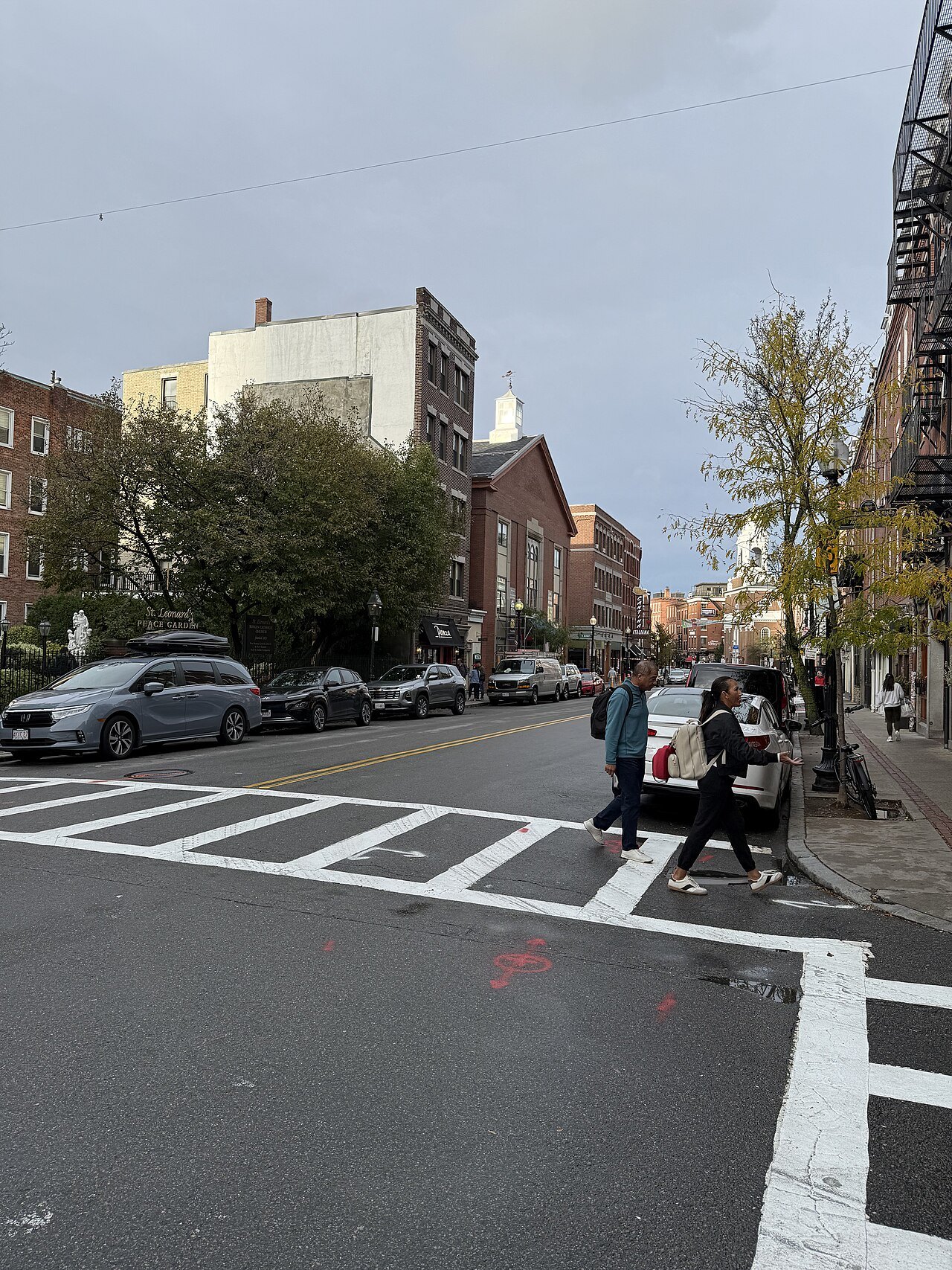
Faneuil Hall and the marketplace are free to walk into, and the Great Hall is sometimes used for events, so ask at the Park Service visitor center on the first floor whether it can be seen on the day. The central building of Quincy Market is a food hall, busiest around lunchtime, while the shops of the North and South Markets tend to be quieter, and the whole site pairs naturally with a longer walk along the Freedom Trail.
Read nextIII
More from the journal
- The Freedom TrailHow long does it take to walk the Freedom Trail?The Freedom Trail is only two and a half miles long, but its sixteen stops can fill a day. How long the walk takes with and without the buildings, where to break it in two, which stops need the most time, and how to get back from Charlestown at the end.Read the piece →
- The Freedom TrailWhat happened at the Old South Meeting House before the Tea Party?How a plain Puritan meeting house became the hall where Boston decided to throw British tea into the harbor.Read the piece →
- The Freedom TrailWhere are Paul Revere, Samuel Adams and John Hancock buried?Paul Revere, Samuel Adams and John Hancock all lie in one small burying ground on Boston's Freedom Trail.Read the piece →