WHERE REVOLUTIONARY BOSTON IS BURIEDI
Where are Paul Revere, Samuel Adams and John Hancock buried?
Paul Revere, Samuel Adams and John Hancock all lie in one small burying ground on Boston's Freedom Trail.
The answer in fullII
Read on
One Grave, Three Names
Paul Revere, Samuel Adams and John Hancock are buried within a few steps of each other, in the Granary Burying Ground on Tremont Street in downtown Boston, one of the stops on the Freedom Trail. It lies next to Park Street Church, close to Boston Common, and is easy to reach on foot within the first minutes of walking the route from the visitor center.
The burying ground holds far more than these three names. It is the resting place of the five men killed in the Boston Massacre of March 1770 and of one more signer of the Declaration of Independence, Robert Treat Paine, making it one of the most concentrated points of Revolutionary history anywhere along the whole route, packed into a single walled block just off Tremont Street.
Because the graves sit so close together, a visitor with only a short time on the Freedom Trail can see all three markers in one stop, without detouring to other stops such as the Paul Revere House in the North End or the Massachusetts State House on Beacon Hill, which tell the rest of each man's public story in more detail.
The Granary Burying Ground
The ground was founded in 1660 as the town's third cemetery, following the earlier burying grounds elsewhere in Boston, and it takes its name from the granary that once stood on the site now occupied by Park Street Church next door. It is one of the oldest burying grounds on the Freedom Trail and among its most visited stops.
Records count two thousand three hundred forty-five grave markers, though historians estimate that as many as five thousand people are buried within the walls, since many stones mark more than one person, families shared plots, and some early markers have been lost or worn illegible over more than three centuries of New England weather.
The entrance gate, built in the Egyptian Revival style, was designed by the architect Isaiah Rogers and gives the burying ground its distinctive appearance from Tremont Street, unlike anything else along this stretch of the Freedom Trail. Visitors pass through it into a dense field of slate headstones, many carved with the winged skulls typical of colonial New England gravestone art.
Paul Revere's Resting Place
Paul Revere's grave lies among the close-set markers here, a short walk from Boston Common and not far from two other places connected to him on the Freedom Trail: the North End house that bears his name, and the Old North Church, where the signal lanterns of 1775 were hung on the night of his ride, an episode later fixed in memory by verse rather than by anything written on the stone itself.
Revere is remembered on the trail as more than a silversmith and messenger. As Grand Master of the Grand Lodge of Massachusetts, he presided at the laying of the cornerstone of the Massachusetts State House on July 4, 1795, a stop that comes earlier on the same route, closer to Boston Common, and is counted a masterpiece of Federal architecture designed by Charles Bulfinch.
Longfellow's 1860 poem Paul Revere's Ride, tied to the Old North Church's lantern signal of April 18, 1775, made Revere's name famous long after his death, fixing the phrase "one if by land, and two if by sea" in the American imagination. Today his grave in the Granary Burying Ground draws visitors who have just walked past the church and the house associated with that night.
Samuel Adams, John Hancock and Robert Treat Paine
Samuel Adams and John Hancock, two of the best-known signers of the Declaration of Independence, are buried close together in the Granary Burying Ground along with Robert Treat Paine, a third signer whose name is less familiar to most visitors but who rests within the same walls, near the Tremont Street gate, not far from Paul Revere's marker.
All three men's public lives were tied closely to buildings the Freedom Trail visits: the Old State House, where the Declaration of Independence was read from the east balcony on July 18, 1776, and the Old South Meeting House, where the Boston Tea Party of 1773 was organized before the crowd moved toward the harbor to empty the tea chests.
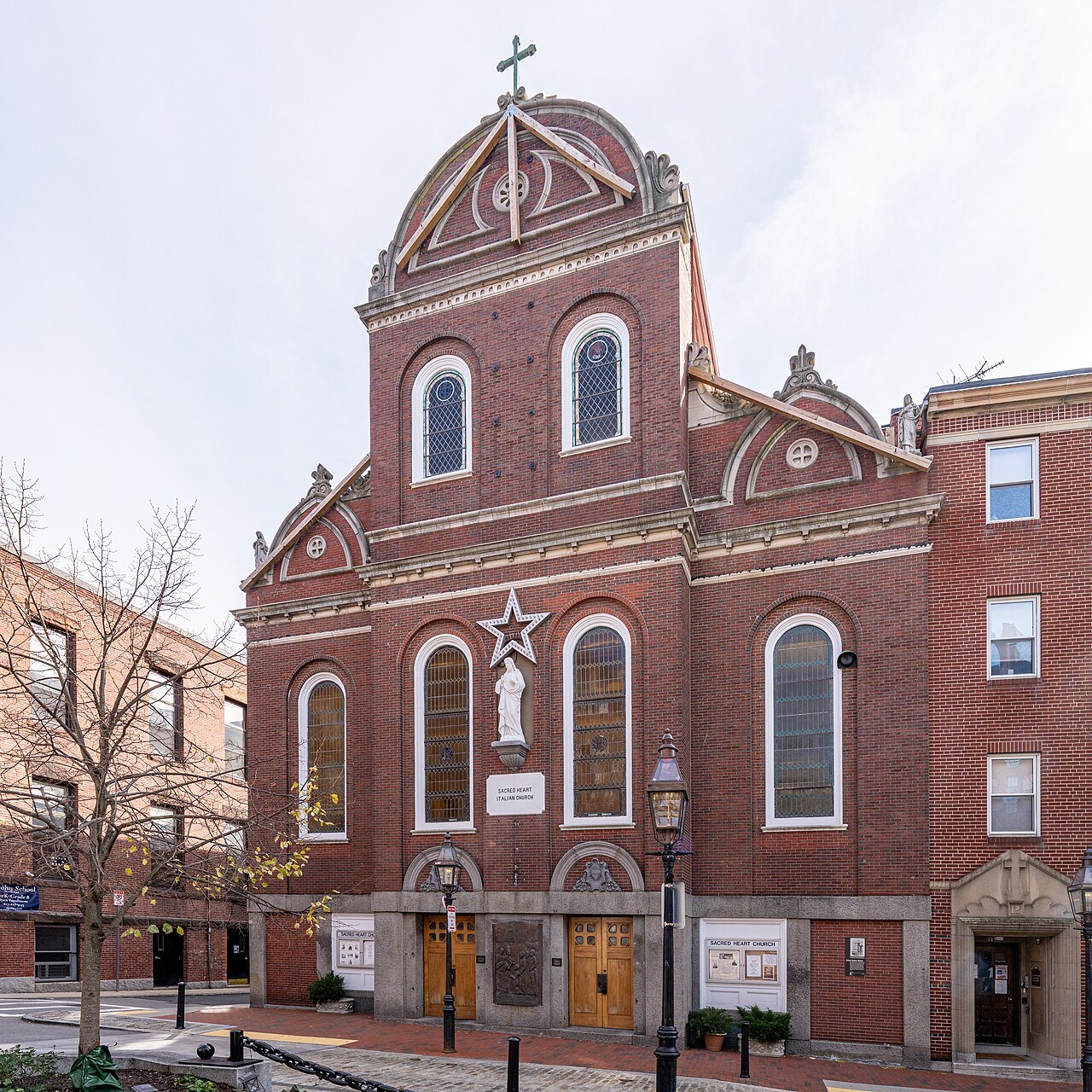
Standing at their markers, a visitor is only a few minutes' walk from both those buildings and from the site of the Boston Massacre outside the Old State House, a reminder that the burying ground and the events that shaped these men's public lives sit within the same compact stretch of the old colonial town.
Visiting the Burying Ground
The Granary Burying Ground sits directly on the Freedom Trail's marked path, between the Massachusetts State House and King's Chapel, so a visitor following the ground markers from Boston Common reaches it early in the walk, usually within the first stretch of downtown stops, before the route turns toward the Old State House and Faneuil Hall.
Like most of the trail's burying grounds and churches, the Granary Burying Ground is generally free to enter, though visitors should check current arrangements, since some Freedom Trail stops ask only for a donation while others, including the Old South Meeting House, the Old State House and the Paul Revere House, charge admission; it is worth confirming details with the Freedom Trail Commission or the National Park Service visitor center before setting out.
The ground is uneven and closely packed with stones, so visitors should move carefully and keep to the paths between the markers. Anyone planning a full day on the trail can pair this stop with the visitor center on the Tremont Street side of Boston Common, where trail maps are available and questions about the route can be answered.
Elsewhere on the Trail
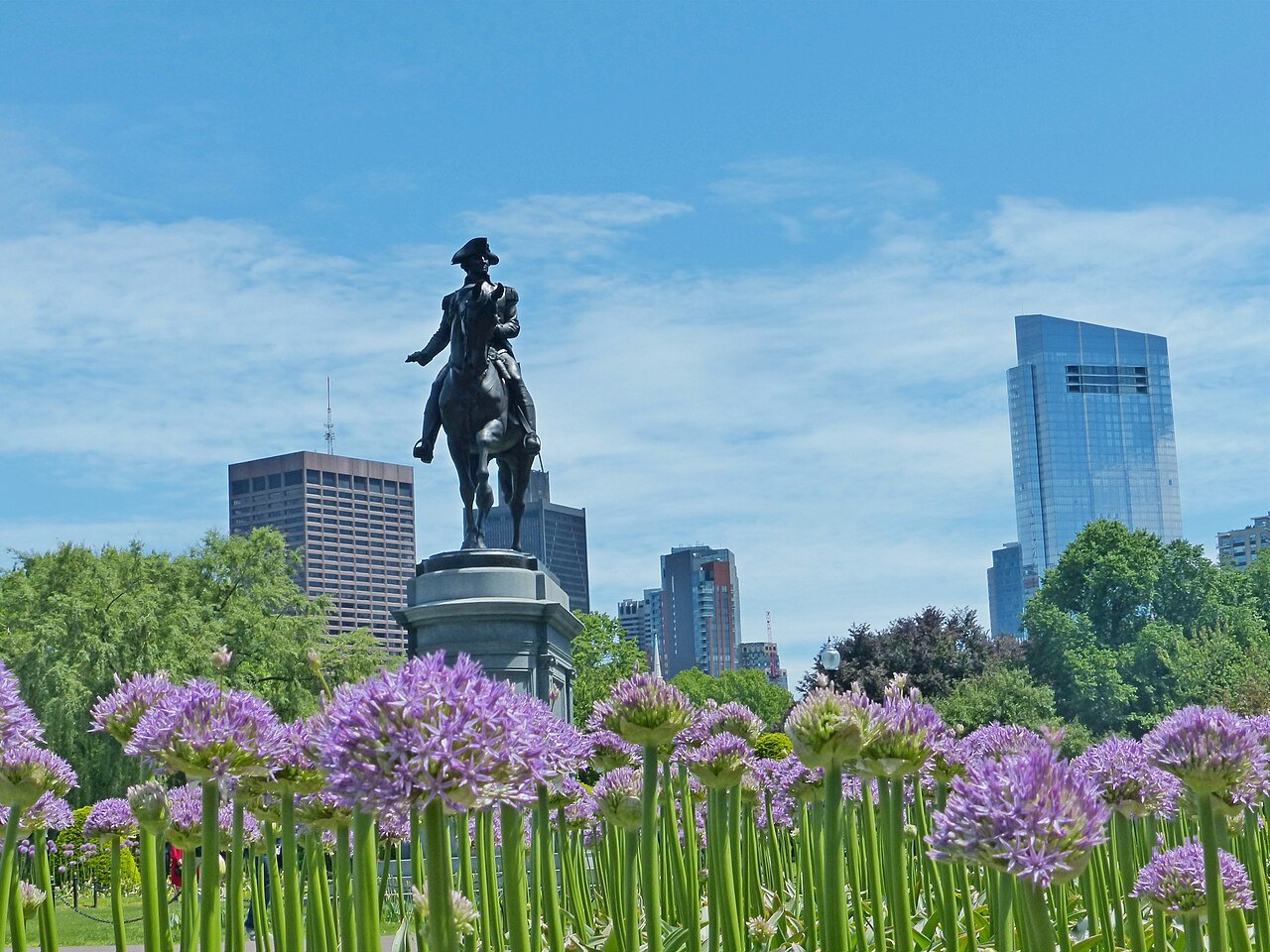
A few steps beyond the Granary Burying Ground, at Tremont and School Streets, stands King's Chapel and its burying ground, which predates the granite chapel itself by more than a century; it is a useful second stop for visitors interested in colonial-era graves and gravestone carving along this stretch of the trail.
Farther along the trail, past Faneuil Hall and into the North End, the Paul Revere House and the Old North Church round out the story the Granary Burying Ground begins, showing where Revere lived for thirty years and where the signal lanterns were hung on the night of April 18, 1775.
Walking the entire Freedom Trail, with time inside the buildings, takes most of a day; many visitors split it into two, covering the downtown half that includes the Granary Burying Ground on one day and the North End and Charlestown, ending at the Bunker Hill Monument and USS Constitution, on the next.
Visitors who want more background at any of these stops, including the Granary Burying Ground, can check with the Freedom Trail Commission, which oversees the entire route, or with the National Park Service visitor center at Faneuil Hall, for details on guided walks and current conditions along the trail before setting out.
Read nextIII
More from the journal
- The Freedom TrailHow long does it take to walk the Freedom Trail?The Freedom Trail is only two and a half miles long, but its sixteen stops can fill a day. How long the walk takes with and without the buildings, where to break it in two, which stops need the most time, and how to get back from Charlestown at the end.Read the piece →
- Lexington, Concord and the Old North BridgeWhat happens on Patriots' Day in Massachusetts?Patriots' Day marks the first battles of the Revolution on April 19, 1775. On the third Monday in April, Lexington and Concord reenact them at dawn, riders retrace Paul Revere's ride, the Boston Marathon runs from Hopkinton to Boylston Street and the Red Sox play at home. How to see it, and how to plan around it.Read the piece →
- Getting HereHow do you get from Logan Airport to downtown Boston?Logan sits in East Boston, across the harbor from downtown, so every route into the city crosses the water. The Silver Line bus to South Station, the Blue Line from Airport station, the Logan Express, the boats and the car through the Ted Williams Tunnel, and which suits where you are staying.Read the piece →