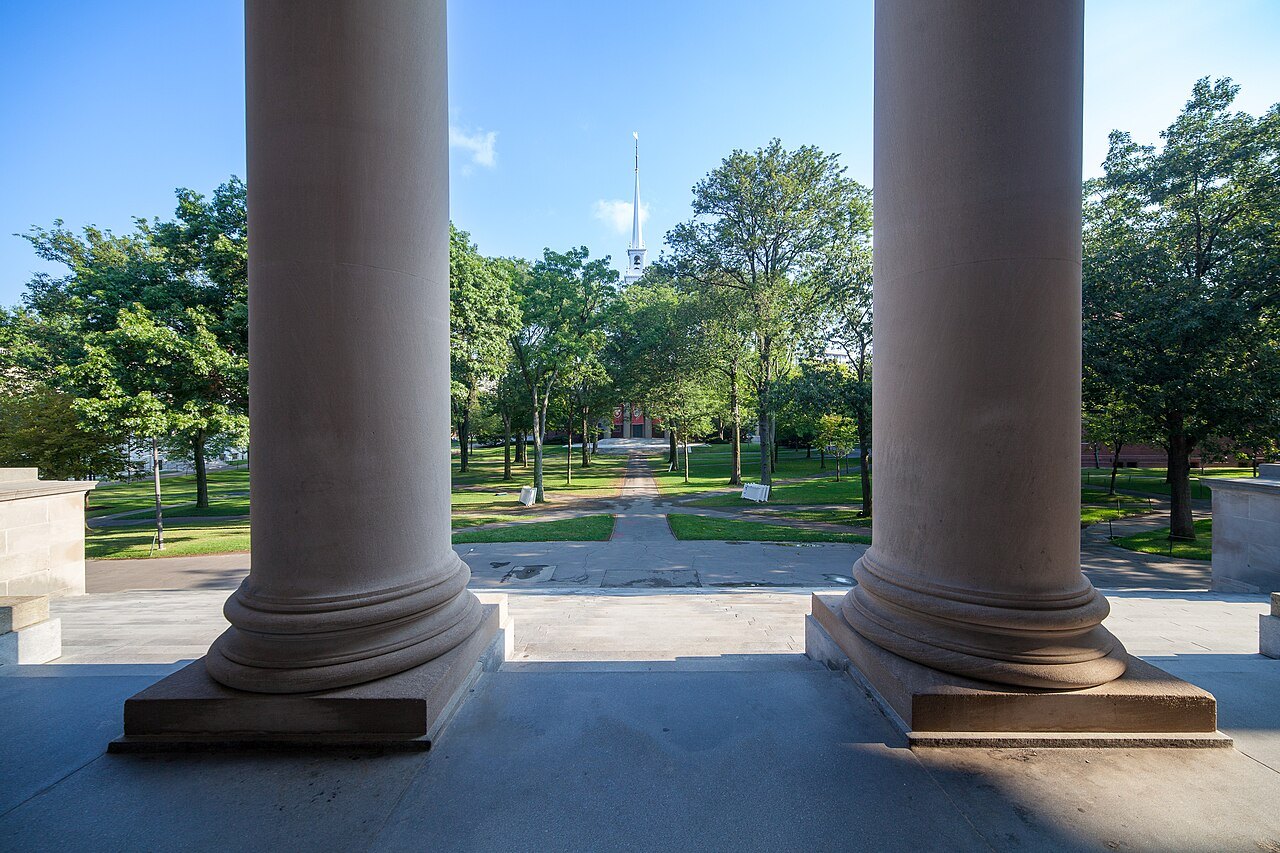
HARVARD YARD'S FAMOUS STATUE MYTHI
Why do visitors rub the foot of the John Harvard statue?
Why visitors rub the toe of the John Harvard statue, and what the statue gets wrong about its own history.
The answer in fullII
Read on
A statue at the heart of the Yard
Between the twin west stairs of University Hall, a granite building completed in 1815, stands a bronze figure seated in a chair with an open book. Modeled by the sculptor Daniel Chester French and dedicated in 1884, it is identified simply as John Harvard and has become, over time, the single most photographed object anywhere in Harvard Yard, the oldest part of the oldest institution of higher learning in the United States.

Harvard was founded in 1636 by a vote of the Great and General Court of the Massachusetts Bay Colony, three years before the college took the name Harvard in honor of its first benefactor, the Puritan clergyman John Harvard. The statue sits inside the Old Yard, the oldest section of the campus, reached from Harvard Square through Johnston Gate and surrounded by the freshman dormitories that still line its edges.
Visitors entering through Johnston Gate often walk straight to the statue before looking at anything else in the Yard. It is an easy landmark to find, set against the white granite front of University Hall, which broke from the red-brick Georgian style of its older neighbors when it was built, and it remains one of the few spots in the Yard where touching the architecture is expected rather than discouraged.
The face that isn't his
No portrait of John Harvard survived from his own lifetime. He died in 1638, decades before any painter is recorded as having captured his likeness, and no engraving, miniature or written description of his features has come down with the gifts he left the college. When Daniel Chester French set out to sculpt a statue of him more than two centuries later, he had nothing to copy.
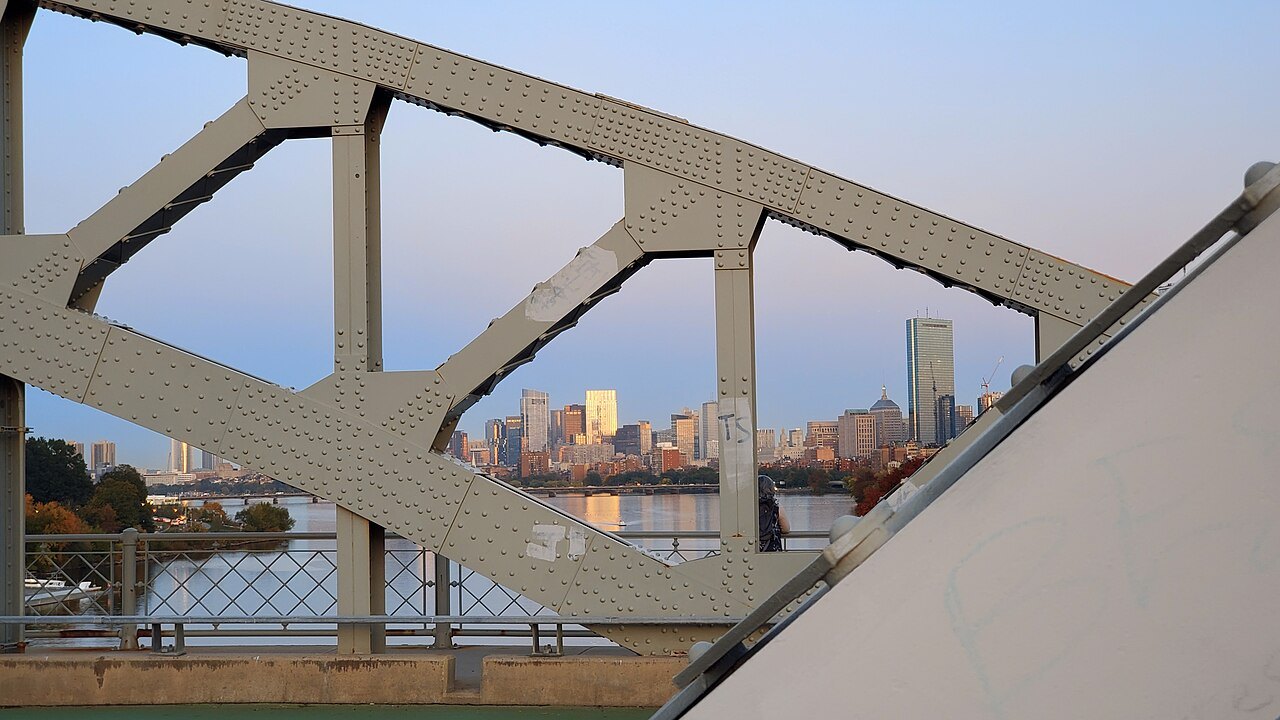
French solved the problem by using a living model instead. A Harvard student named Sherman Hoar sat for the sculpture, and Hoar's features became the face now cast in bronze outside University Hall. The statue that bears John Harvard's name is, in that sense, a portrait of a nineteenth-century undergraduate rather than of the clergyman it honors.
The inscription on the statue reads simply 'John Harvard,' with no note explaining that the face belongs to someone else entirely. Guides and university accounts point to this as the first of the statue's well-known inaccuracies, one many visitors learn only after posing for a photograph beside it.
A founder, not the founder
The second inaccuracy concerns the word founder. John Harvard was a Puritan clergyman who, when he died in 1638, left the college his library and half of his estate, a gift substantial enough that the college was renamed for him the following year, in 1639.
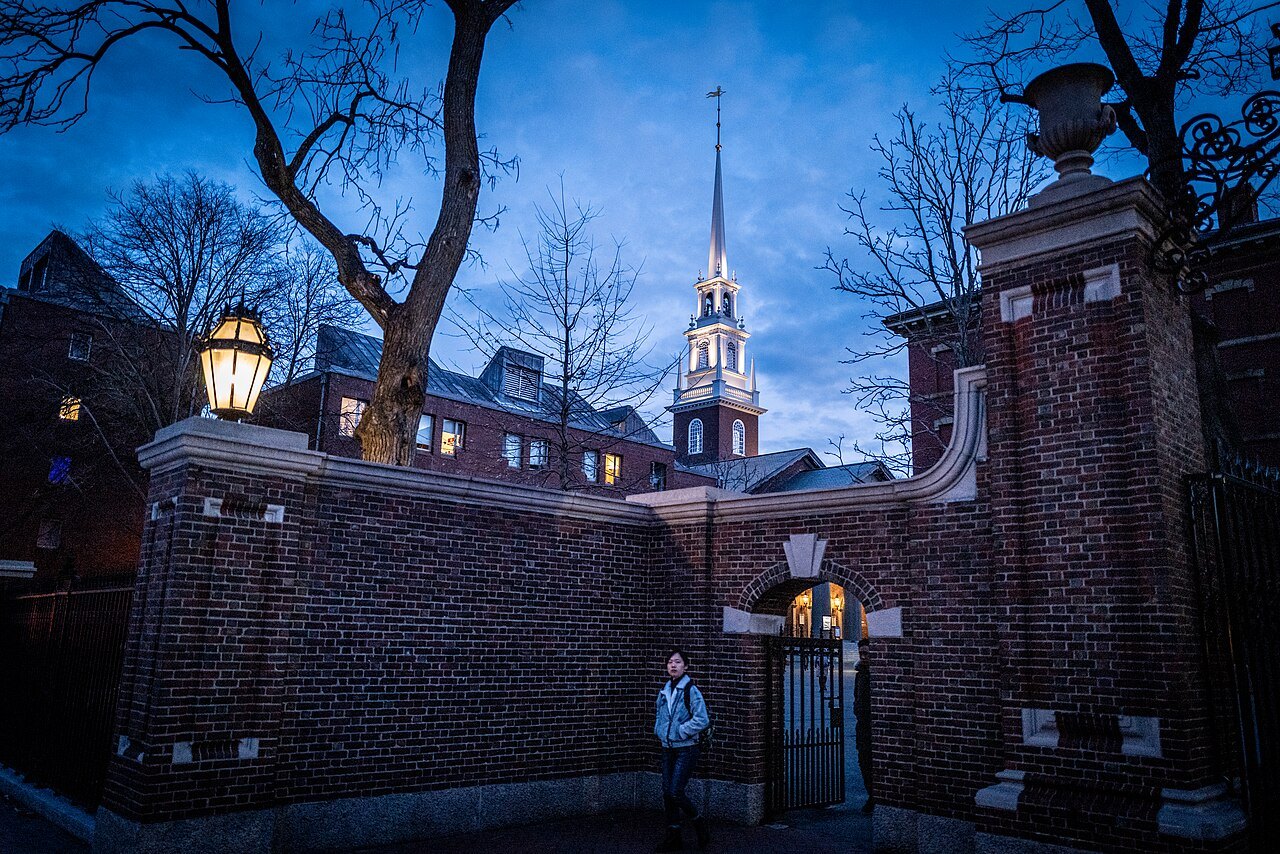
The college, however, had already been established two years before John Harvard's gift, in 1636, by a vote of the Great and General Court of the Massachusetts Bay Colony. He is honored today as a founder of the college, one benefactor among the colony's founders, rather than as its sole or original founder.
The distinction is one the university itself makes in its own histories, even though the statue's base carries no such qualification. The bronze figure outside University Hall represents an idea of John Harvard built up over centuries rather than a documented record of the man or the precise part he played.
Why visitors rub the shoe
Alongside the mistaken face and the mistaken title sits a third, more visible tradition. Generations of visitors have rubbed the toe of the statue's left shoe, worn to a noticeably brighter shade of bronze than the rest of the figure, in the belief that the gesture brings good luck.
The custom is often explained to visitors as a Harvard student tradition, something undergraduates have supposedly done for generations before exams or interviews. That explanation is itself mistaken: rubbing the shoe has grown up as a visitor habit rather than a practice handed down through the student body.
Whatever its true origin, the gesture is now part of almost every visit to the statue, and the polished toe is easy to spot from several feet away. Anyone curious about the precise history of the custom, or about current guidance on touching the statue, should ask at a Harvard information point or check with the university's visitor services rather than rely on the stories told at the statue itself, which tend to repeat the same misunderstanding.
Finding the statue in the Yard
The statue stands in the Old Yard, the western third of Harvard Yard entered from Harvard Square through Johnston Gate. This part of campus holds most of the freshman dormitories along with the oldest surviving buildings on campus, including Massachusetts Hall, built between 1718 and 1720 and still used today for the offices of the university's president.
Nearby stand Harvard Hall, rebuilt in 1766 after a fire destroyed its predecessor along with most of the books John Harvard had left the college, and Holden Chapel, the college's first building for worship, dating to 1744. University Hall, with the statue at its base, closes the Old Yard on its eastern side.
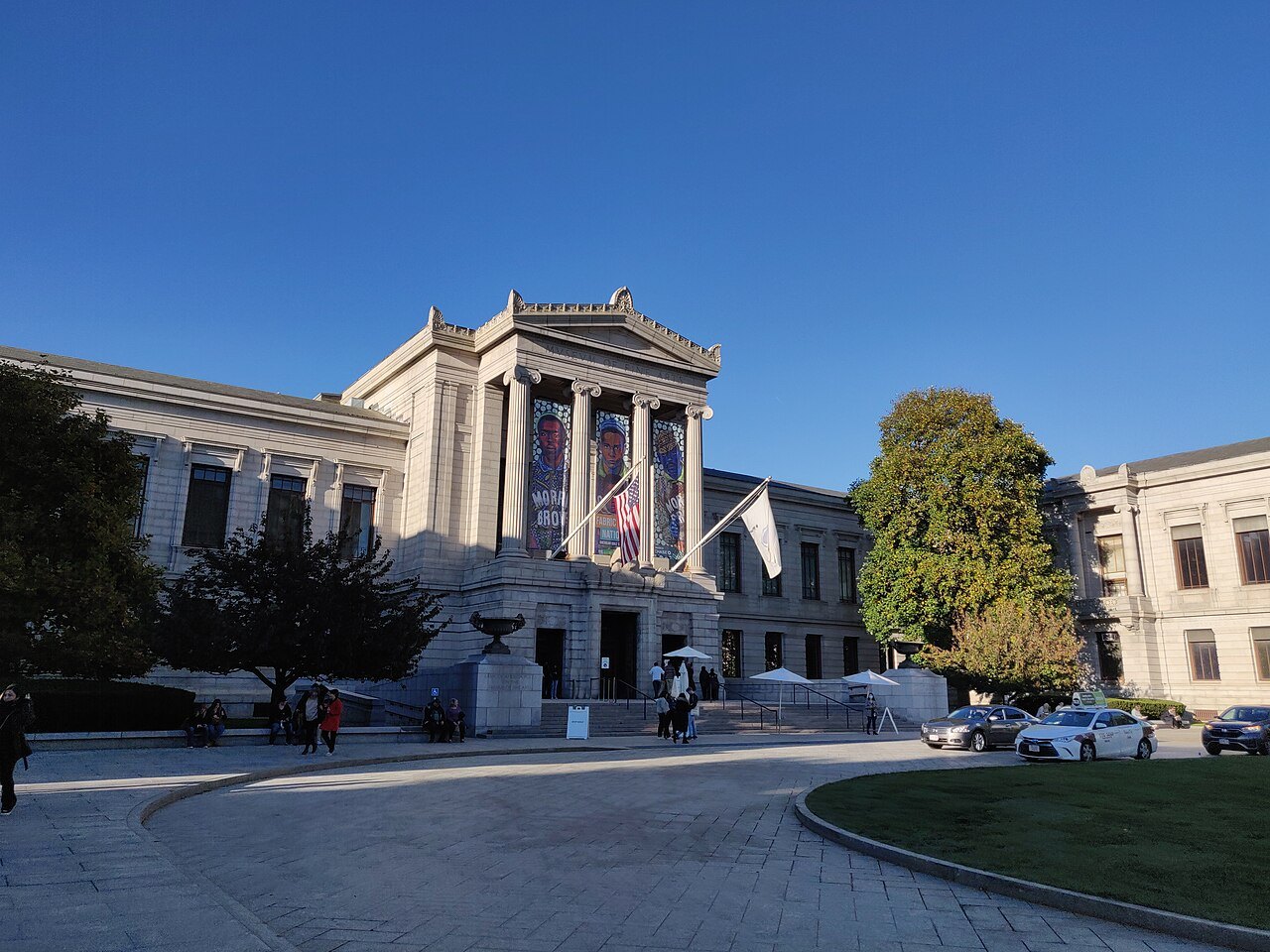
From the statue a path leads east into Tercentenary Theater, the broad lawn framed by Widener Library and Memorial Church, where Commencement and other university ceremonies are held each year. A walk from Johnston Gate to this lawn and back covers the heart of what most visitors come to see.
Visiting respectfully
Harvard Yard is a working campus before it is a sight to see. The dormitories, libraries and offices around the statue are not open to visitors, and during the academic term the Yard is where students live, study and attend class. The statue itself, standing in the open air outside University Hall, is always visible from the footpath.
During Commencement week the Tercentenary Theater fills with seating and staging for the university's ceremony, and the usual quiet walk through the Yard gives way to crowds and a different atmosphere entirely. Anyone planning a visit that week should expect a busier campus, with some areas closed off, than on an ordinary day.
Harvard Square and the rest of Cambridge lie just outside the Yard's gates, and the statue makes a natural first stop on a longer walk, before exploring the square's shops and streets or heading back across the river toward Boston.
Read nextIII
More from the journal
- PlymouthIs Plymouth Rock really where the Pilgrims landed?Plymouth Rock is honored as the Pilgrims' landing place of December 1620, but neither of the colony's own chroniclers mentions it, and the claim was first made in 1741. How the legend began, how the rock was split, moved and rejoined, and what to see in Plymouth when you go.Read the piece →
- USS Constitution and Bunker HillWhy is the Bunker Hill Monument not on Bunker Hill?The granite obelisk honoring the Battle of Bunker Hill actually stands on Breed's Hill, steps from USS Constitution.Read the piece →
- Boston Common and the Public GardenWhy is Make Way for Ducklings in the Public Garden?The story behind Nancy Schön's bronze duck family near the Public Garden's Charles Street gate.Read the piece →