What you will findI
Boston, the Capital
Greater Boston
- Downtown and the waterfrontThe old town, the Freedom Trail's first half, Faneuil Hall and the harbor.
- The North EndThe oldest neighborhood, Paul Revere's house and the Old North Church, Italian since the 1800s.
- Beacon HillBrick row houses and the State House on the last of the town's three hills.
- The Back BayFilled marsh laid out in the 1800s, with Copley Square and the Boston Public Library.
- The South EndThe largest surviving Victorian neighborhood of row houses in the country.
- The FenwayThe Museum of Fine Arts, the Gardner and the parks of the Emerald Necklace.
- CharlestownAcross the water: USS Constitution and the Bunker Hill Monument.
The town in fullII
Reading the place
The city in brief
Boston is the capital of Massachusetts and its largest city, with 675,647 people at the 2020 census, and the center of Greater Boston, the largest metropolitan area in New England. It covers about forty-eight square miles, most of it built up since the colonial town, and it is called a city of neighborhoods for the number and variety of its districts. For a visitor it is the obvious base for the east of the state: most of the Revolution happened within a mile of its old center, the great museums are a short ride away, and the Cape, the North Shore and the South Shore are day trips.
It is also a city of firsts. Its own list includes the country's first public park, Boston Common of 1634, its first public school, Boston Latin, of 1635, and its first subway, the Tremont Street line of 1897. The Boston Public Library, founded in 1852, was the first free library in the United States.
How Boston was made
The town was founded in 1630 on the Shawmut Peninsula by English Puritans led by John Winthrop, who crossed from Charlestown at the invitation of William Blaxton and named the settlement after the market town of Boston in Lincolnshire. The peninsula was small and hilly, joined to the mainland by a narrow neck and ringed by mudflats and marsh.
Most of the present city was made by filling that marsh. In the middle of the nineteenth century reclamation created large parts of the South End, the West End, the Financial District and Chinatown, using earth from the leveling of the town's three original hills, the Trimountain that gave Tremont Street its name. From the 1850s workers filled almost six hundred acres of Charles River marsh west of the Common with gravel brought by train from Needham, creating the Back Bay, and after the Great Fire of 1872 the rubble was dumped along the downtown waterfront.
The old town and the North End
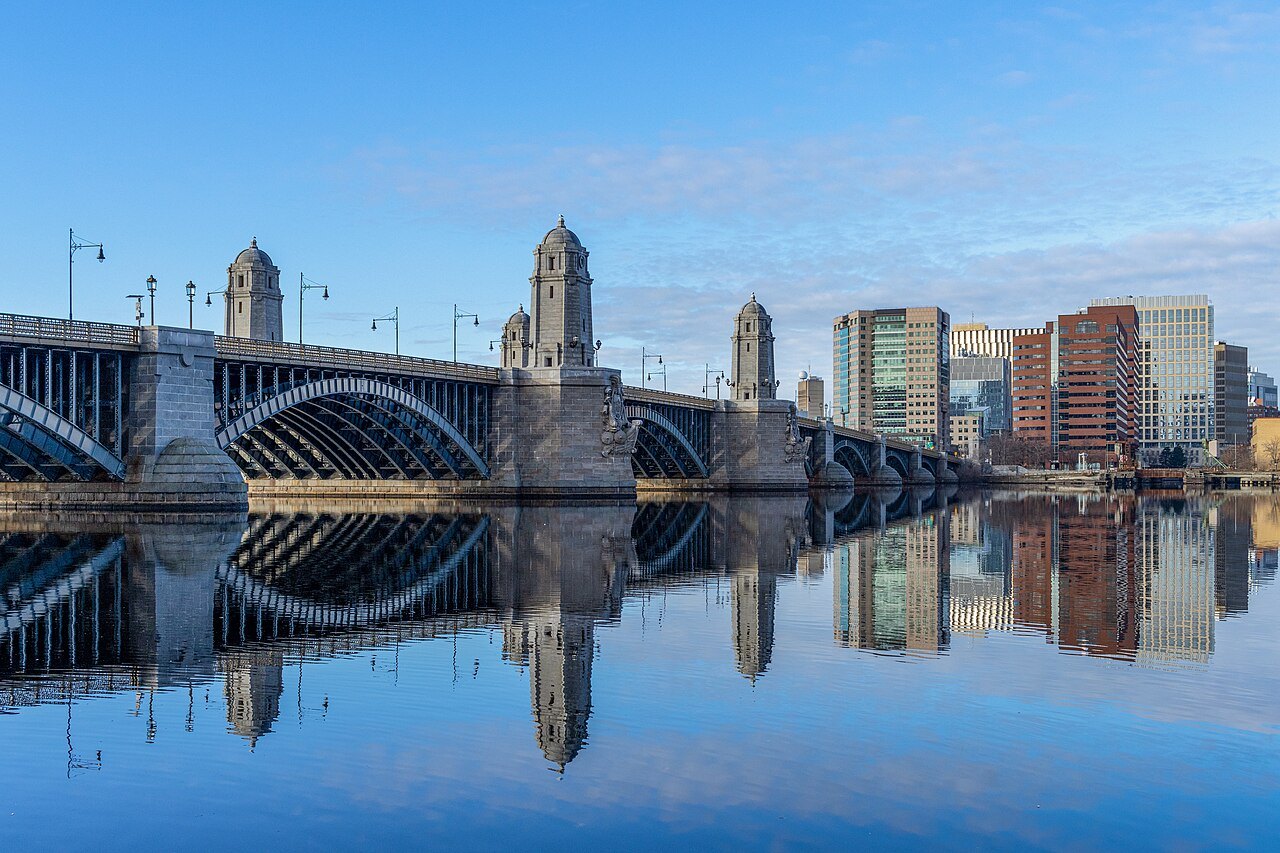
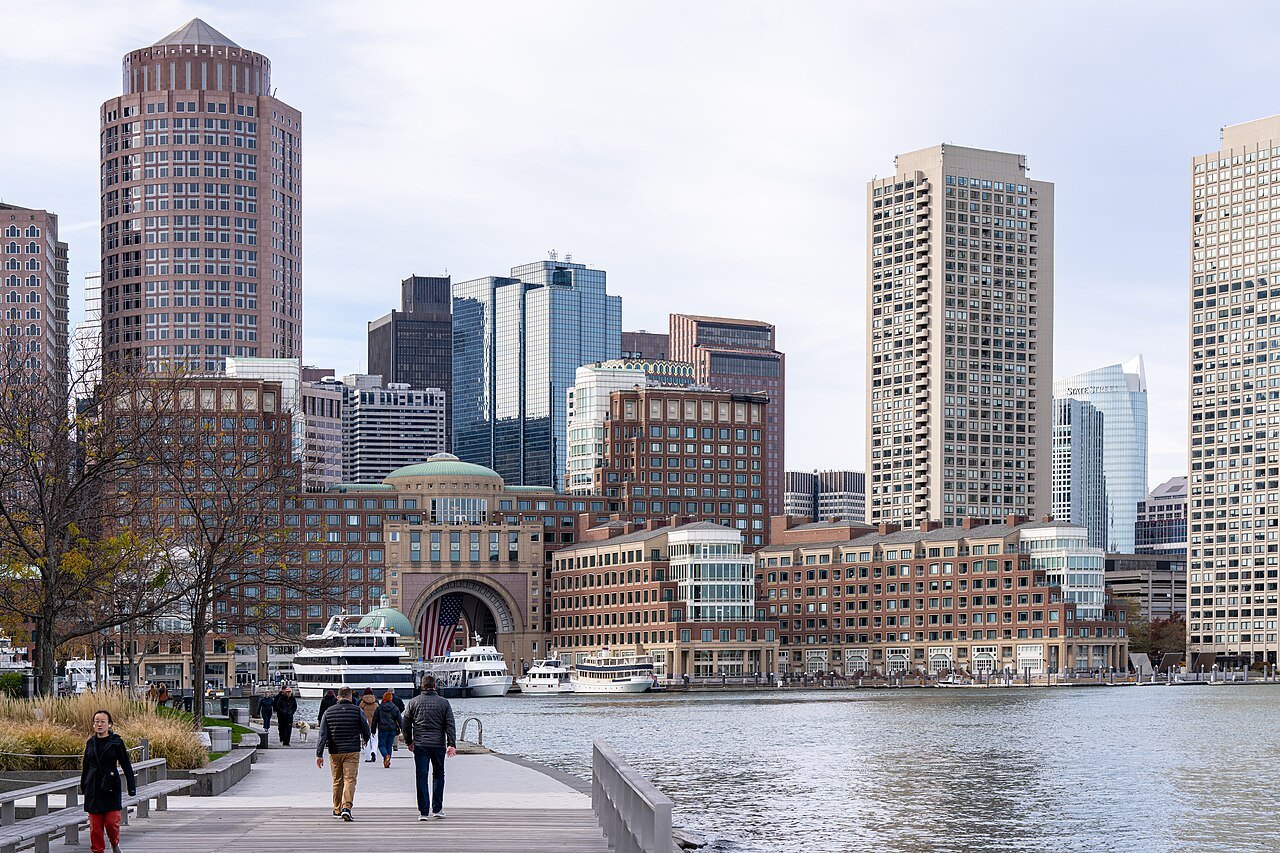
Downtown holds the colonial town's surviving buildings: the Old State House, the Old South Meeting House, King's Chapel and Faneuil Hall, all on the Freedom Trail, with the Financial District's towers rising around them. The Central Artery/Tunnel Project, the Big Dig, which ran from 1991 to 2007, put the elevated highway that had cut the old town off from the harbor underground.
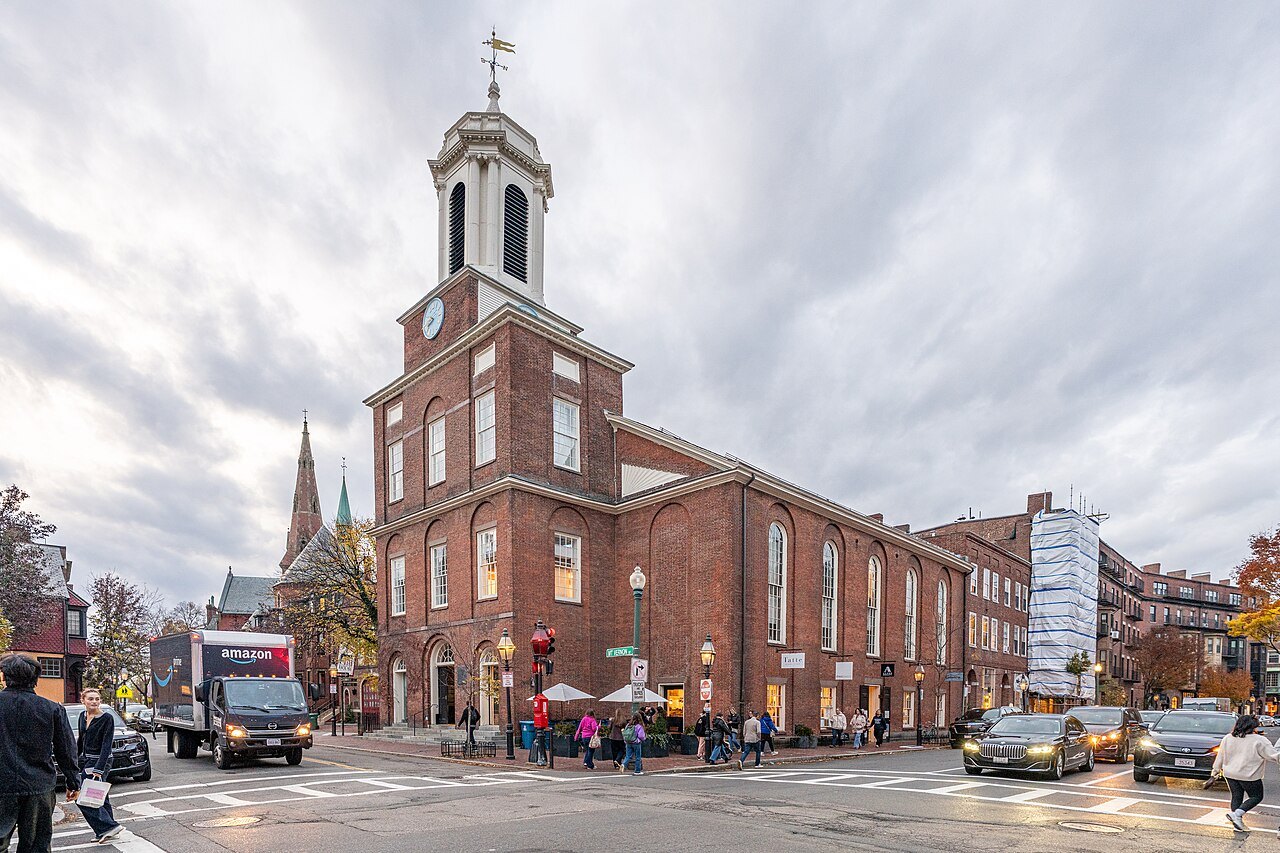
North of it the North End is Boston's oldest neighborhood, with Paul Revere's house in North Square and the Old North Church on Salem Street. By the end of the nineteenth century the city's core neighborhoods had become enclaves of immigrants, and Italians became the largest group in the North End, as they remain in its summer feasts; the Irish settled South Boston and Charlestown. On January 15, 1919, a tank of molasses burst in the North End and killed twenty-one people.
Beacon Hill and the Back Bay
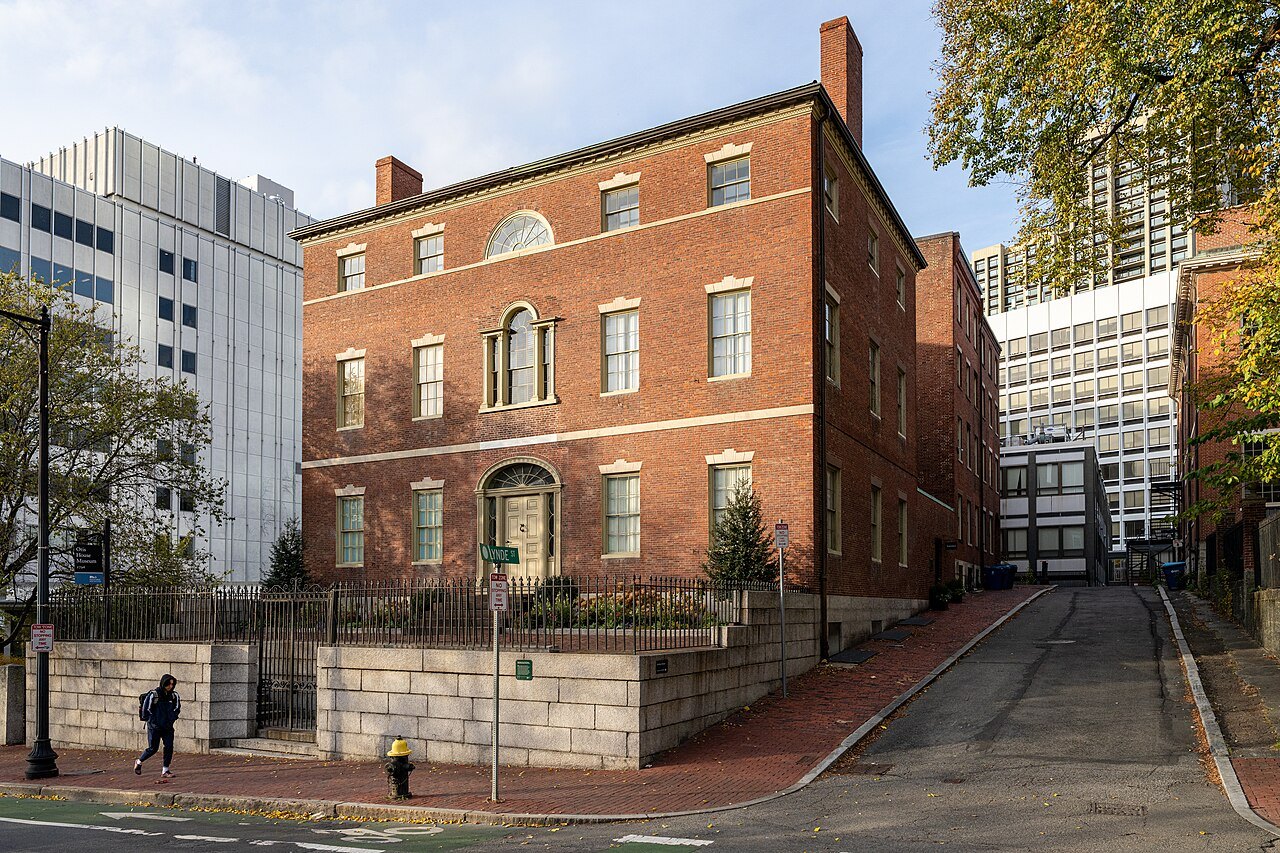
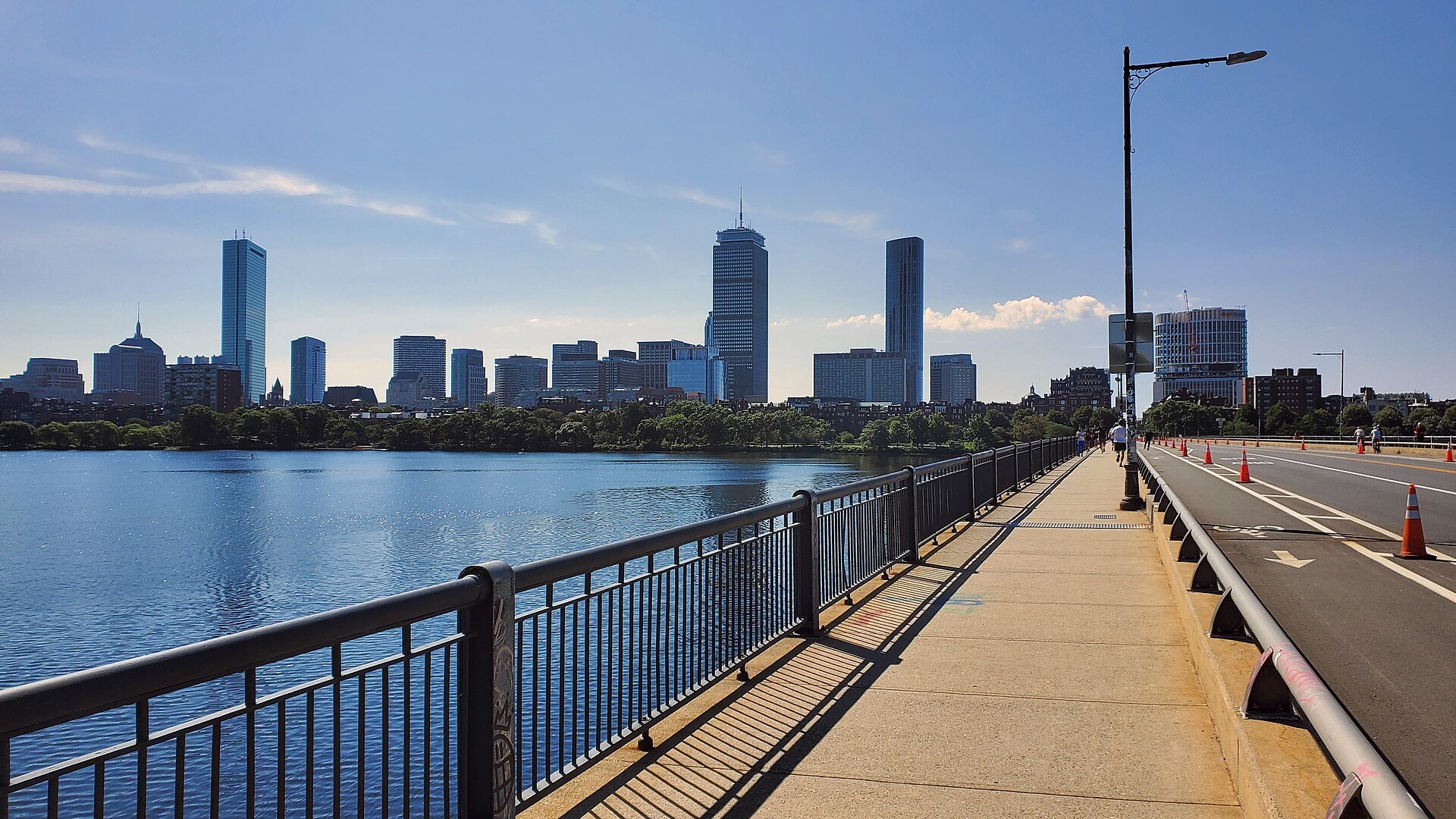
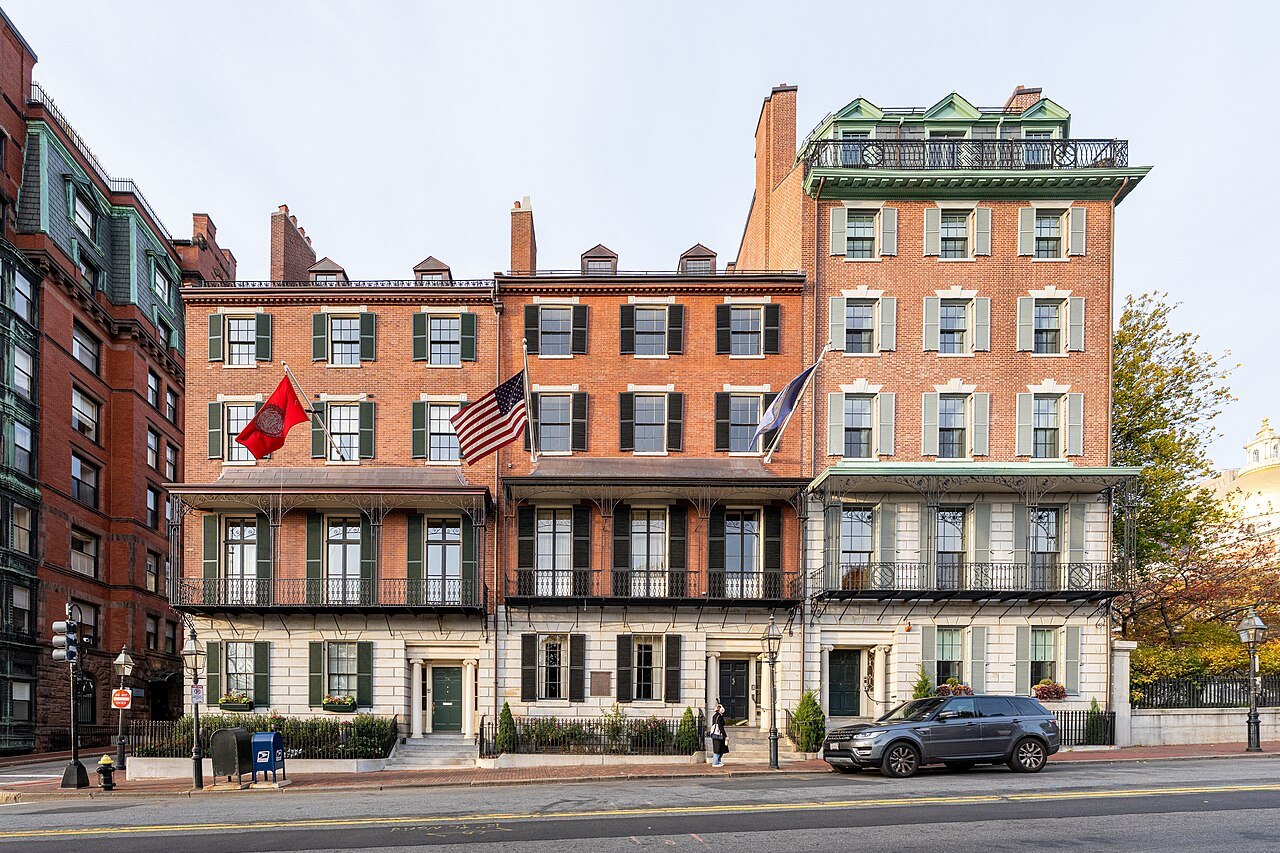
Beacon Hill, the last surviving height of the Trimountain, rises behind the Common, its brick row houses climbing to the State House. West of it lies the Back Bay, laid out on the filled marsh in straight streets, with Commonwealth Avenue down its center. It holds Copley Square, with the Boston Public Library and Trinity Church facing each other across it, Newbury Street, the Christian Science Center, and New England's two tallest buildings, the John Hancock Tower and the Prudential Center.
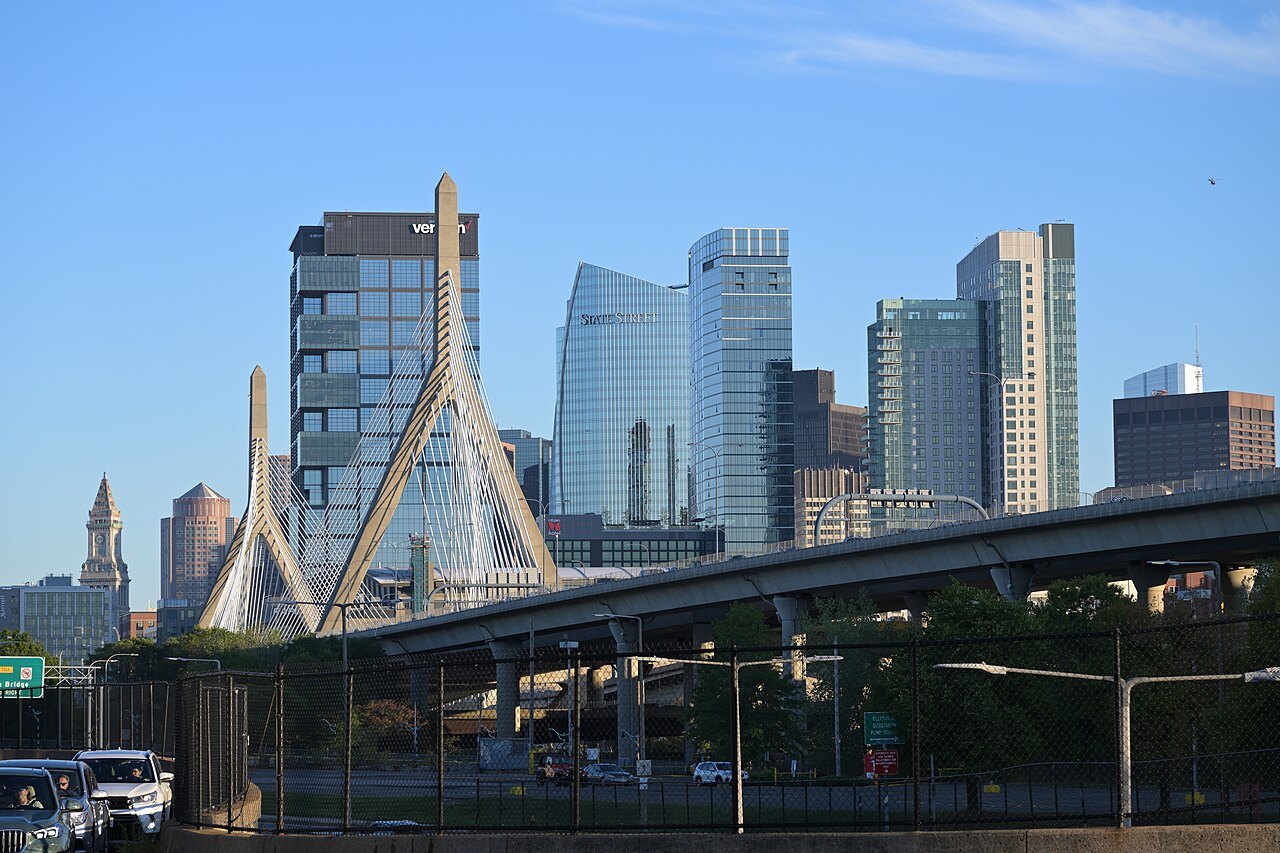
South of the Back Bay the South End Historic District is the largest surviving continuous Victorian neighborhood in the United States. Beyond, toward the Fenway, stand Symphony Hall, home of the Boston Symphony Orchestra and the Boston Pops, and the Museum of Fine Arts and the Gardner, along the parks of the Emerald Necklace.
Across the water
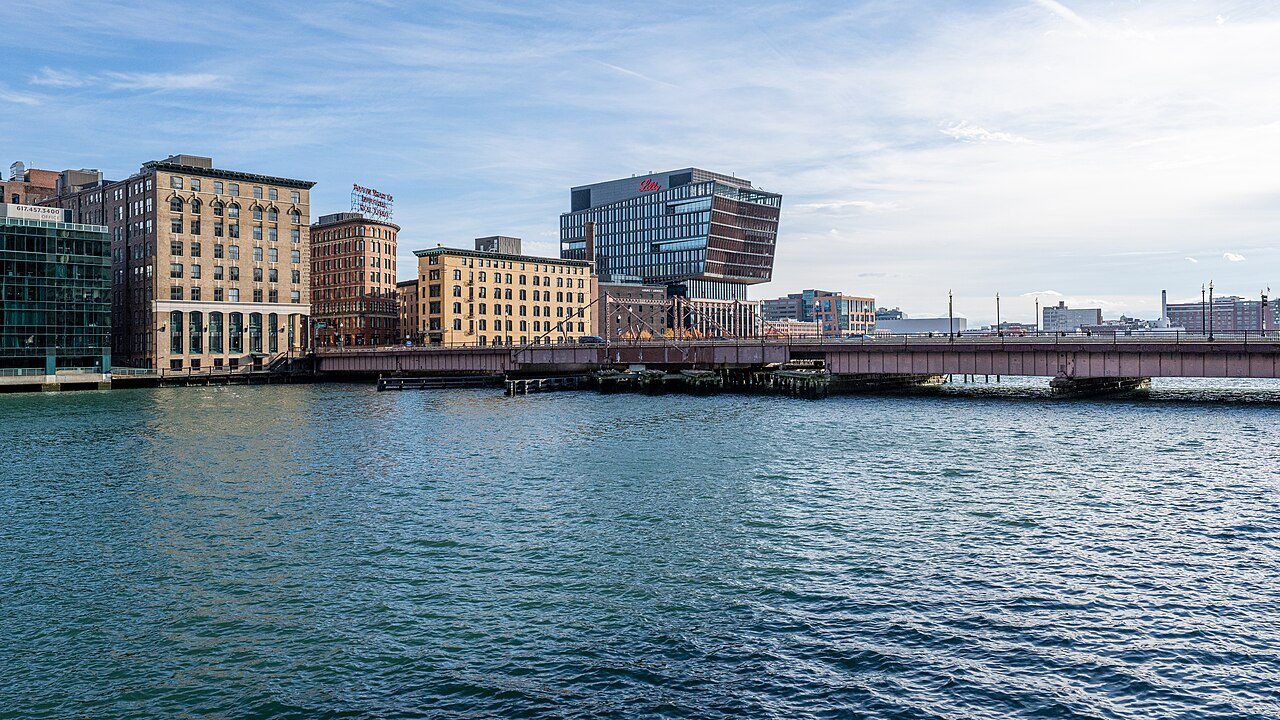
The Charles River divides Boston's Back Bay and Fenway from Cambridge, and the city from its own Charlestown, where USS Constitution and the Bunker Hill Monument close the Freedom Trail. Boston Harbor separates East Boston, home of Logan airport, from downtown, the North End and the Seaport, the fast-growing district on the South Boston waterfront, where the Institute of Contemporary Art stands in a building by Diller Scofidio + Renfro.
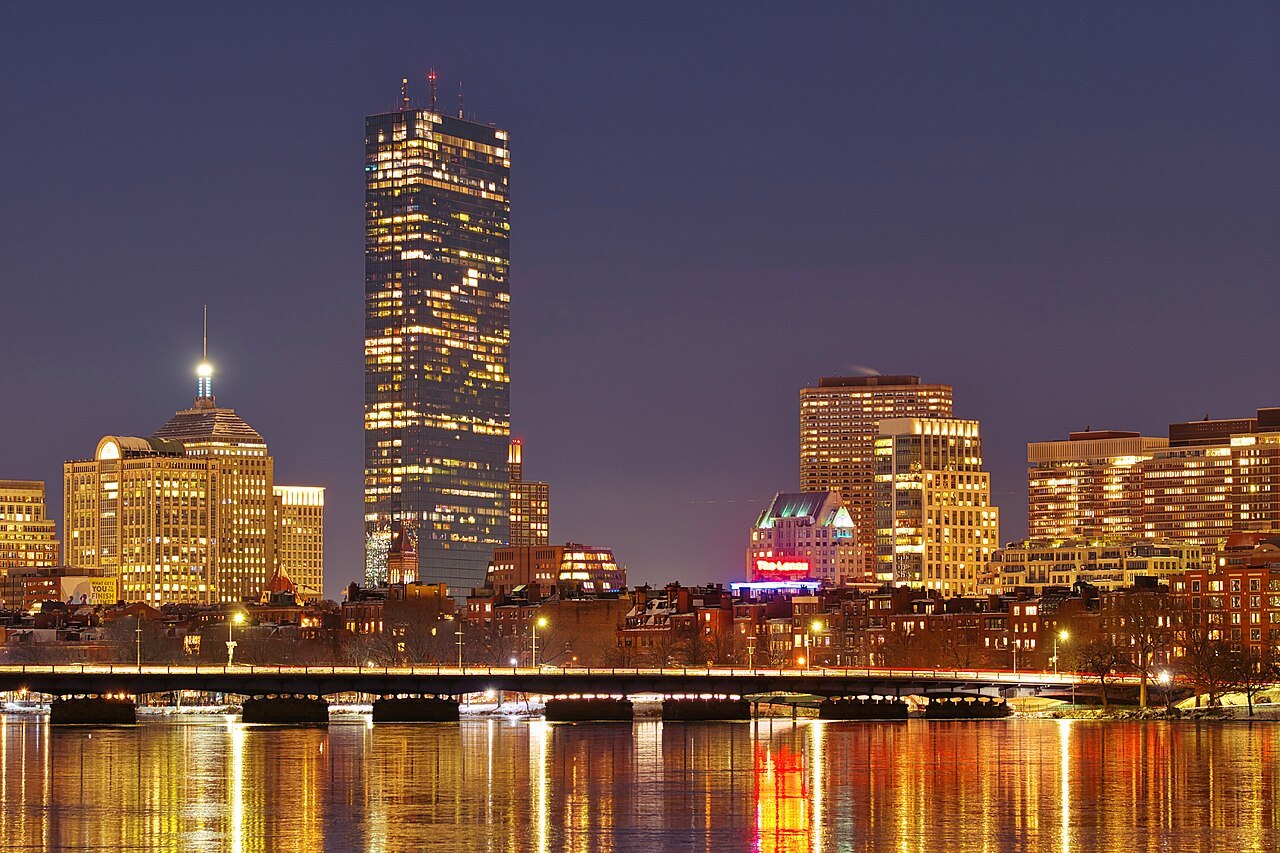
The city's universities are part of its fabric: Boston University along Commonwealth Avenue, Northeastern in the Fenway, Suffolk near Beacon Hill, and across the river in Cambridge, Harvard and MIT.
Getting around
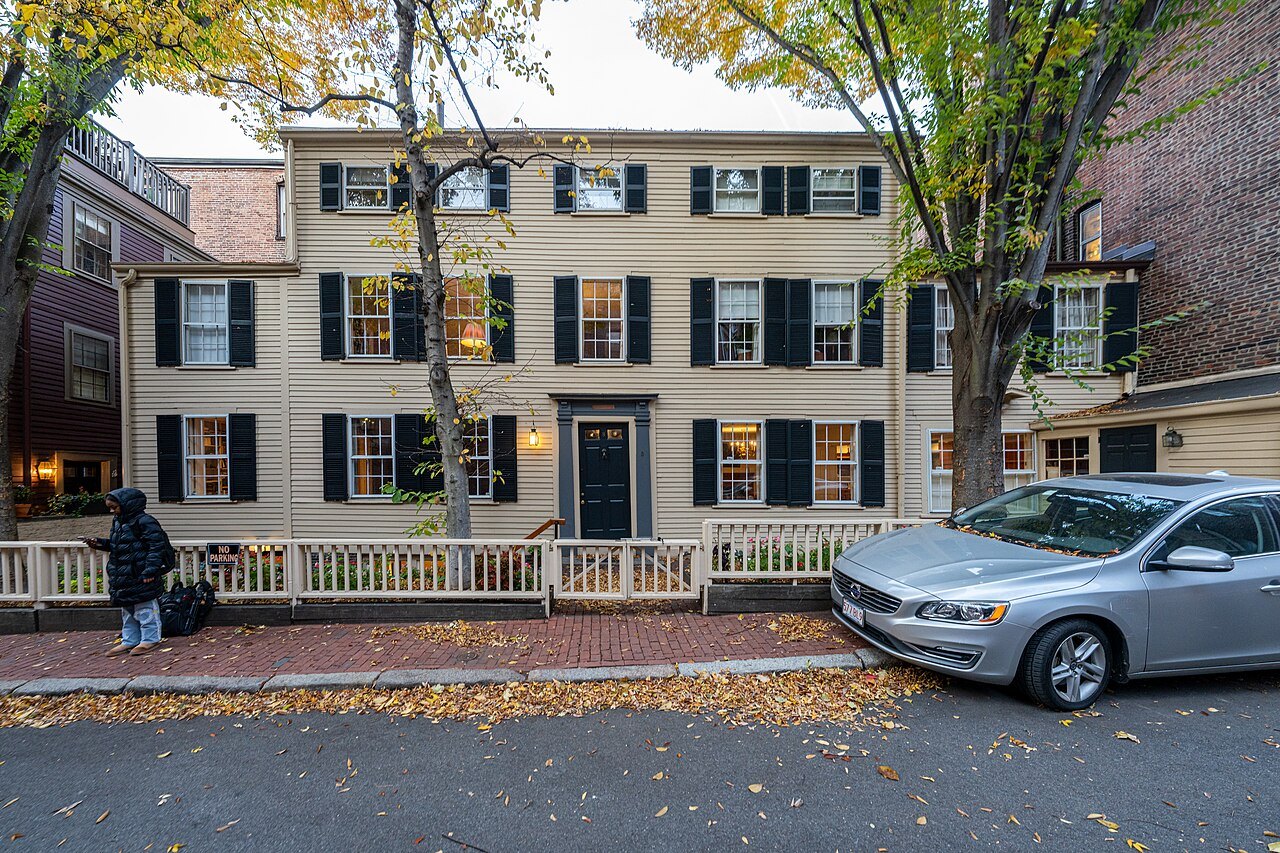
Boston is compact, and the center is best walked: the Common, downtown, the North End, Beacon Hill and the Back Bay all lie within a couple of miles of each other. For longer trips the Massachusetts Bay Transportation Authority runs the oldest underground rapid transit system in the Americas, the T, with buses, commuter rail and ferries. Intercity trains arrive at South Station, the end of Amtrak's Northeast Regional, Acela and Lake Shore Limited lines, and at Back Bay and North Station; Logan International Airport, in East Boston, opened in 1923.
A car is more trouble than help inside the city; keep it for trips out to the rest of the state.
A few days in Boston
Give the city at least two full days: one for the Freedom Trail, from the Common to Charlestown, and one for the Back Bay, Copley Square and the museums of the Fenway. A third fits Harvard and Cambridge across the river, or a walk along the Esplanade and the harbor. The city keeps a full calendar of events, from First Night on New Year's Eve to the Boston Arts Festival on the waterfront and the North End's summer feasts.
Where to go nextIII
Nearby
- Nearby · Greater Boston · Downtown to CharlestownThe Freedom TrailA walking path of two and a half miles through Boston that links sixteen places from the years before and during the Revolution, from the Common to the Old North Church and the Bunker Hill Monument.Read the page →
- Nearby · Greater BostonCambridgeThe city directly across the Charles River from Boston, founded in December 1630 as Newtowne and renamed for the English university in 1638: home to Harvard and MIT, a string of squares, and the common where the Continental Army was born.Read the page →
- Nearby · Greater Boston · Beacon HillBoston Common and the Public GardenThe oldest city park in the United States, fifty acres of lawn and hill below the State House, and beside it the Public Garden of 1837, with its lagoon, its little bridge and the Swan Boats.Read the page →