Home · Where to Stay
The registerI
Nine bases
- Downtown Boston and Beacon HillFirst-time visitors, the Freedom Trail, walking everywhereThe historic center around the Common, with the State House, the Freedom Trail and the waterfront within a walk.
- Back BayMuseums, shopping streets, the riverThe nineteenth-century district built on filled land along the Charles, near the Public Garden, with good rail links at Back Bay station.
- CambridgeUniversities, bookshops, a quieter base across the riverHarvard Square and the Red Line into Boston, with the Yard, the museums and the river on the doorstep.
- Salem and the North ShoreHistory, harbors, Cape Ann day tripsSeaports, fishing villages and rocky coast north of Boston, on the commuter rail; Salem, Gloucester and Rockport are the natural bases.
- Plymouth and the South ShoreThe Pilgrims, the bogs, the road to the CapeThe coast south and east of Boston toward Cape Cod, with Plymouth as the base for the Pilgrim sights.
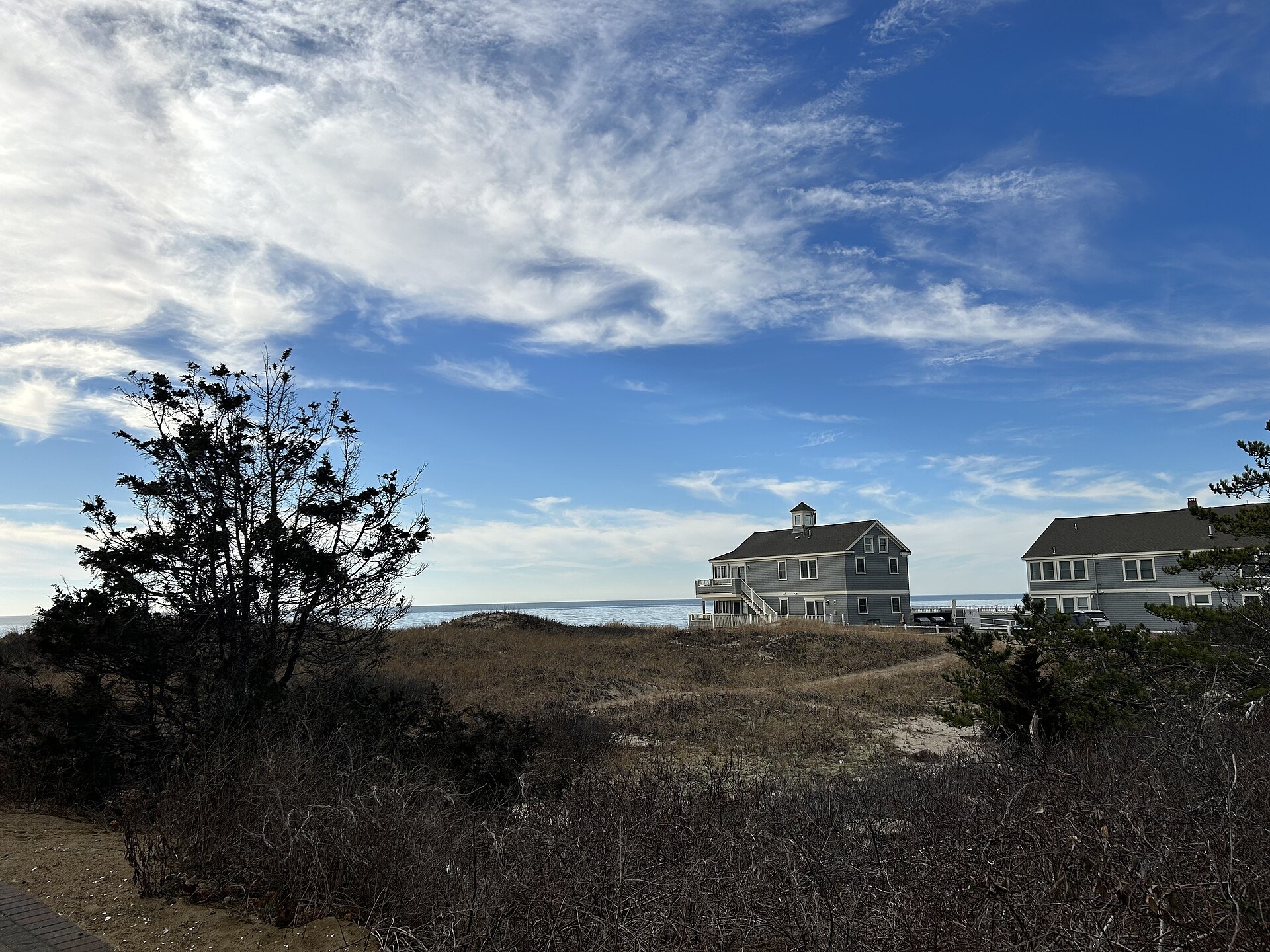
- Cape CodBeaches, the seashore, summerFour parts, Upper, Mid, Lower and Outer Cape, each with its own character; Provincetown at the tip is the liveliest base.
- Martha's Vineyard and NantucketA slower stay without a carIsland towns reached by ferry, busiest and priciest in summer; stay at least two nights to make the crossing worthwhile.
- Northampton and the Pioneer ValleyCollege towns, the rail trails, a central baseThe Connecticut River valley towns, halfway across the state, with easy drives east and west.
- The BerkshiresSummer music and theater, autumn color, the hillsLenox, Stockbridge, Williamstown and Great Barrington: small towns among museums and summer stages.
In fullII
Where to Stay
Choosing bases
Massachusetts is the seventh-smallest state in the country, but it holds very different trips: a historic city, a coast of harbors and beaches, two islands, a river valley and a range of hills. Most visitors do best with a Boston base for the first few days, when a car is a burden, and then one or two bases beyond the city, reached by car or ferry, where a car is needed.
Book early for summer on the coast and the islands, and for the autumn foliage weekends in the Berkshires; these are the busiest times in the state. Boston itself is busy all year, and especially around the Fourth of July and the big October regatta on the Charles.
Boston
Stay in the center for a first visit. Downtown and Beacon Hill, around the Common and the State House, put the Freedom Trail, the North End and the harbor within a walk, and every subway line crosses downtown. The Back Bay, filled in the nineteenth century with earth from Boston's leveled hills and gravel brought by train from Needham, is a district of row houses and landmarks: Copley Square, Trinity Church, the Boston Public Library, Newbury Street and the Prudential Center, beside the Public Garden, with its own Amtrak and commuter rail station.
The Seaport District, a newer and rapidly developing neighborhood across the harbor channel from downtown, is close to South Station and linked to the airport by the Silver Line. The Fenway, farther out, is the base for the museums, the Museum of Fine Arts and the Gardner, and for Fenway Park, home of the Red Sox since 1912.
Cambridge
Across the Charles River, Cambridge makes a good alternative base, with Harvard Square, Harvard Yard and the riverbank a short walk apart and the Red Line reaching downtown Boston in a few stops. It suits travelers who want a quieter evening among bookshops and cafes, and families visiting the universities.
The North Shore
The North Shore is the coast between Boston and New Hampshire: seaports, fishing villages and rocky shore with marshes, beaches and natural harbors, and Cape Ann, its largest promontory. Salem, where the witch trials took place, is the natural base for its history and museums, and the commuter train and the summer ferry link it to Boston. For the coast itself, stay in Gloucester or Rockport on Cape Ann, where the drive round Route 127 and the harbors are on the doorstep.
The South Shore and Plymouth
The South Shore runs south and east from Boston toward Cape Cod along Massachusetts Bay and Cape Cod Bay, a region of suburban towns, small cities and rural villages, sometimes called the Irish Riviera for its many Irish American residents. Plymouth is the base for Plimoth Patuxet, the Mayflower II and Plymouth Rock, and it sits on the road to the Cape, so a night here breaks the journey.
Cape Cod
The Cape divides into four parts. The Upper Cape, nearest the mainland, is Bourne, Sandwich, Falmouth and Mashpee, with Woods Hole and its ferries at Falmouth's tip. The Mid-Cape, Barnstable, Yarmouth and Dennis, is the Cape's commercial center, with Hyannis and the Nantucket boats. The Lower Cape is Harwich, Brewster, Chatham and Orleans, and the Outer Cape, Eastham, Wellfleet, Truro and Provincetown, lies largely within the Cape Cod National Seashore.
Stay on the Upper or Mid-Cape for the islands and short drives; stay on the Lower or Outer Cape for the seashore beaches and the dunes. Provincetown, which can have a crowded, city-like atmosphere in summer, is the liveliest base of all, with a summer ferry to Boston.
The islands
On Martha's Vineyard, choose among the three main towns: Vineyard Haven, the main ferry port, Oak Bluffs with its summer harbor, and Edgartown, the old whaling town at the eastern end. The up-island towns farther west, toward Aquinnah and its cliffs, are rural and quieter. On Nantucket, stay in the town by the harbor, where the ferries dock, or out at Siasconset on the eastern shore.
Island beds are few for the summer demand, when Nantucket's population rises to around eighty thousand, so book well ahead, and plan at least two nights to make the ferry crossing worthwhile. Both islands are easy without a car.
The valley and the Berkshires
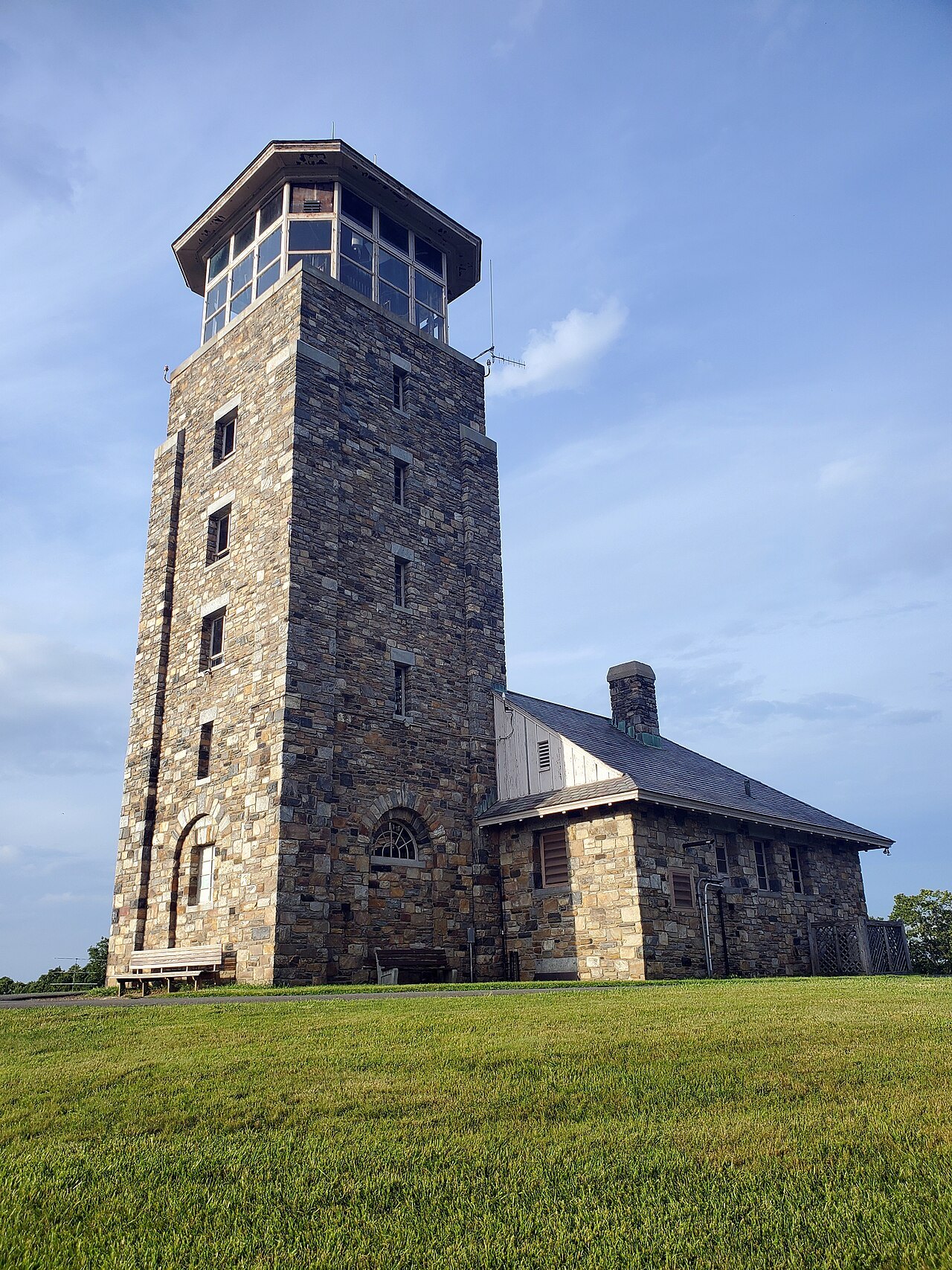
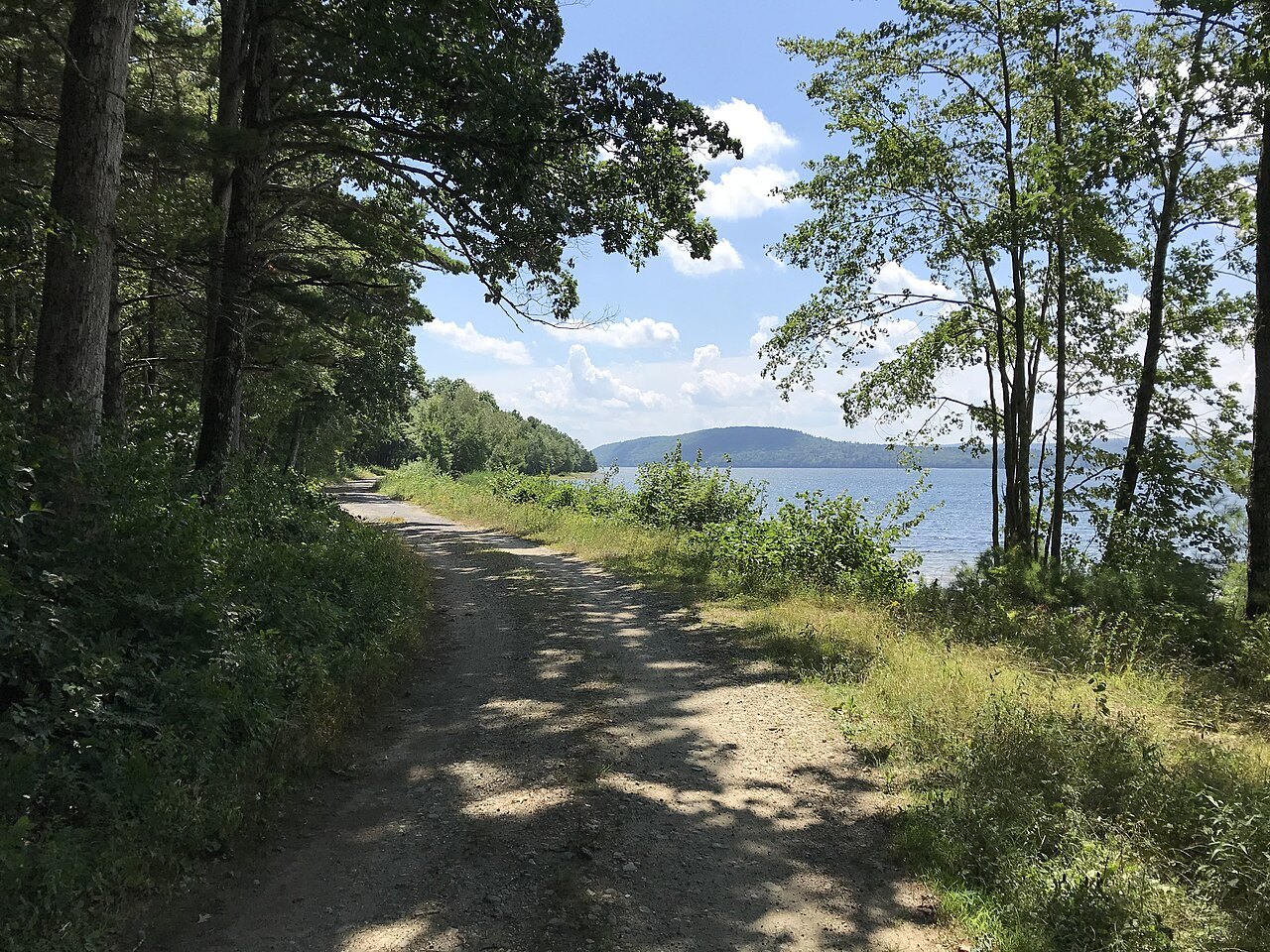
Northampton, halfway across the state in the Pioneer Valley, is the natural central base: a lively small city with rail trails, Amtrak trains and easy drives to Old Sturbridge Village and the hills.
In the Berkshires, stay in Lenox or Stockbridge for Tanglewood, the Mount and the summer theaters, in Williamstown for the Clark and Mount Greylock, and in Great Barrington for the south of the county. The region has many small inns, motels and hotels; summer and the autumn foliage are its busiest seasons, when a stay of two or three nights lets you see both ends of the county. Hancock Shaker Village is an easy drive from any of them.
How long in each
A first trip of a week might give three nights to Boston and Cambridge, with day trips to Concord and Salem by train, then two nights on the Cape and two on an island or in the Berkshires. With ten days or more, add the North Shore and the Pioneer Valley and cross the whole state from the coast to the hills. The itineraries set these out day by day.
Changing base costs half a day each time, so it pays to stay at least two nights wherever you stop. In summer, check the minimum stay that many Cape and island inns set for weekends, and on the islands confirm your ferry before your bed. On a trip that ends at Logan, plan the last night in or near Boston, so a late ferry or traffic at the Cape bridges cannot make you miss a flight.
Wherever you stay, check what parking comes with the room. In central Boston, Cambridge and the island towns it is scarce, and a hotel near a subway or commuter rail station, or a room reached on foot from the ferry, spares the trouble of a car entirely.
Some links on this page are affiliate links. If you book through one we may earn a commission, at no extra cost to you. It does not affect what is recommended here, and no landmark or city page on this site carries one.
If your room is not ready when you arrive:
Seen on the wayIII
More photographs
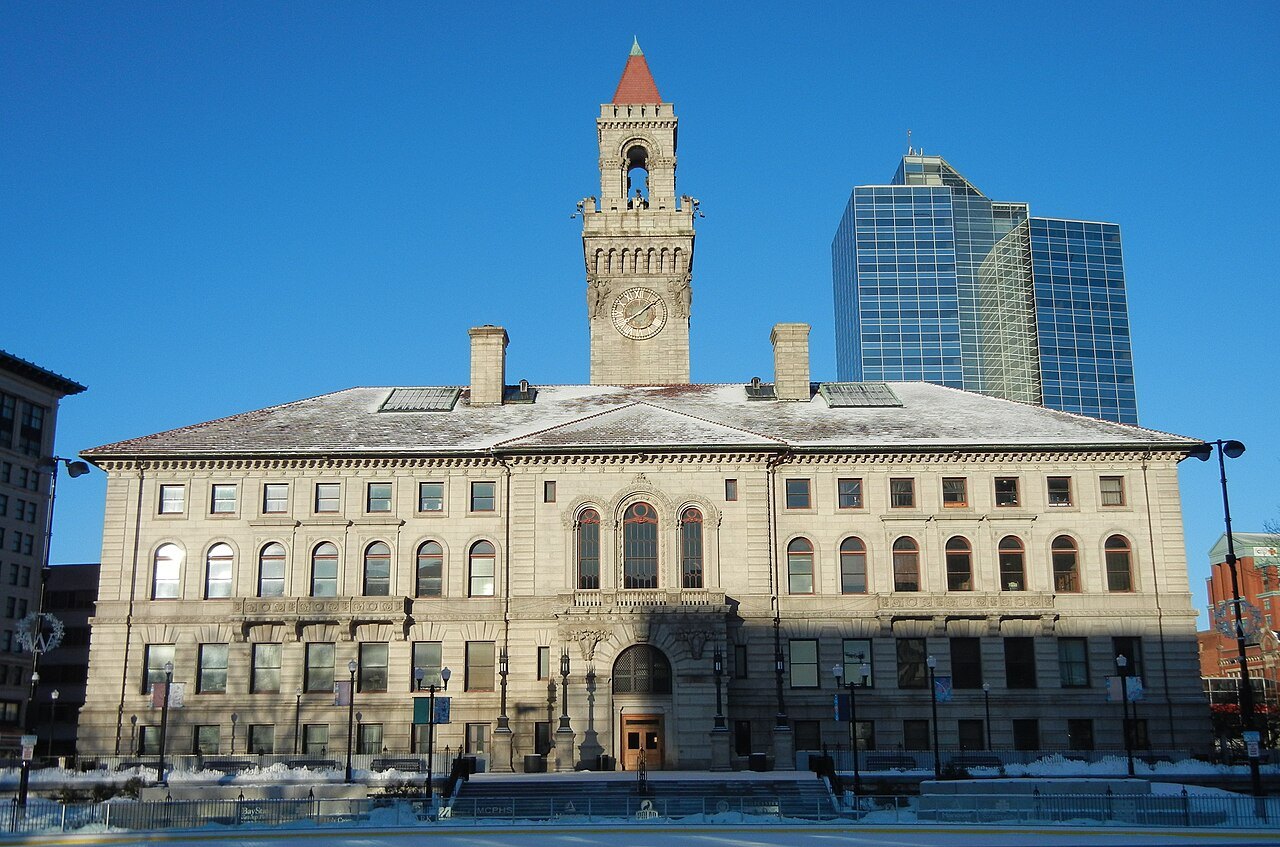
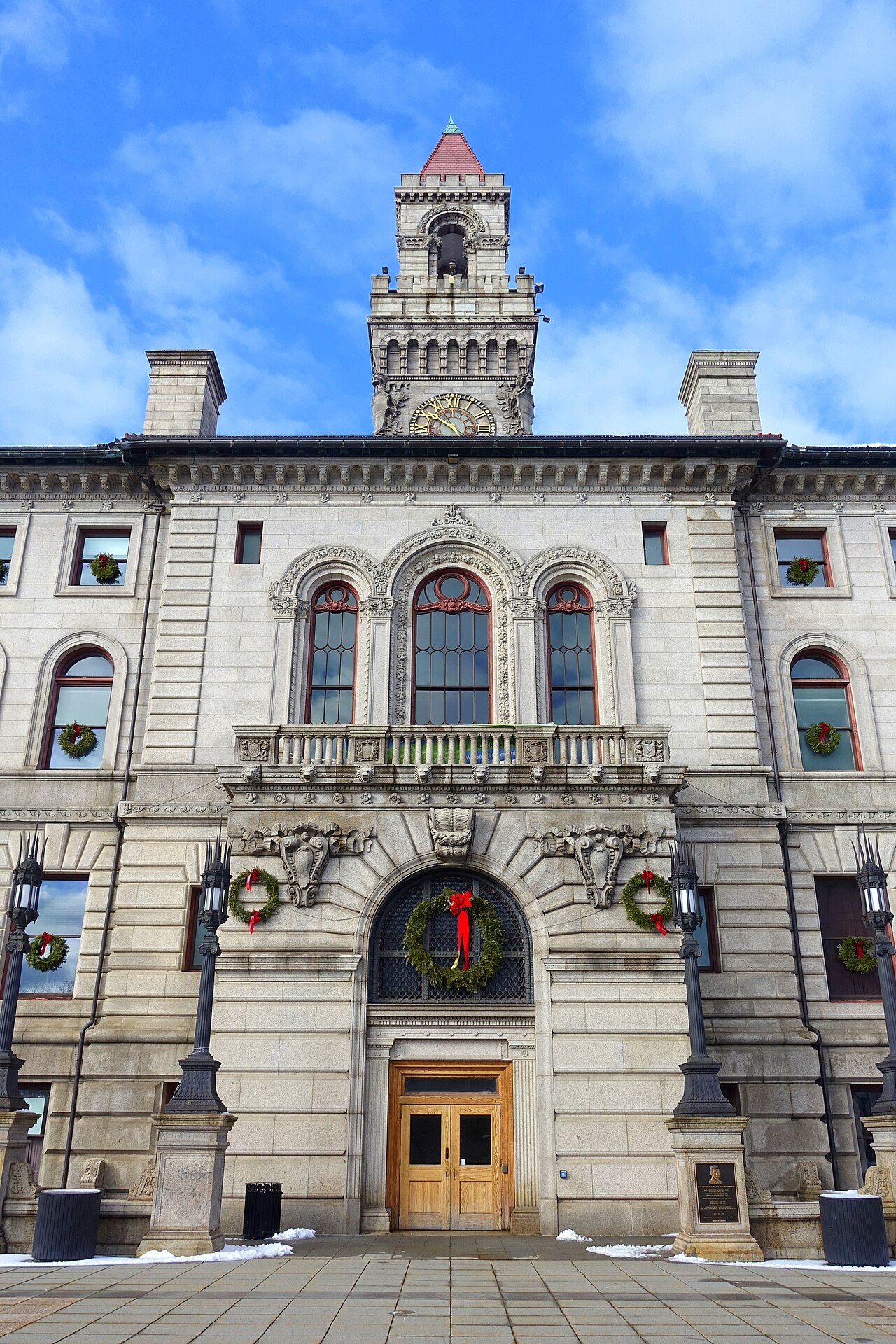
Worcester City Hall and its tower beside the snowy commonTerageorge, Wikimedia Commons, CC BY-SA 3.0