Home · Itineraries
A day at a timeI
A week on the road
Day one: the Freedom Trail
Start on the Common, follow the red line past the State House, the burying grounds and the Old State House to Faneuil Hall, then through the North End to Old North Church and across the bridge to Old Ironsides and Bunker Hill.
Day two: museums and Cambridge
The Museum of Fine Arts and the Gardner, a few minutes apart on the Fenway, then the Red Line to Harvard Square for the Yard, the river and an evening in Cambridge.
Day three: Lexington, Concord and Walden
The road the regulars took on April 19, 1775: the Battle Green, the Battle Road and the North Bridge, then Walden Pond and Thoreau's cabin site.
Day four: Salem and Cape Ann
Salem's witch-trial history, harbor and Peabody Essex Museum, then round Cape Ann to Gloucester's harbor and Rockport's Motif Number 1.
Day five: Plymouth to the Cape
Plymouth Rock, the Mayflower II and Plimoth Patuxet's 1627 village in the morning, then across the canal and up the Old King's Highway toward the Outer Cape.
Day six: the Outer Cape and Provincetown
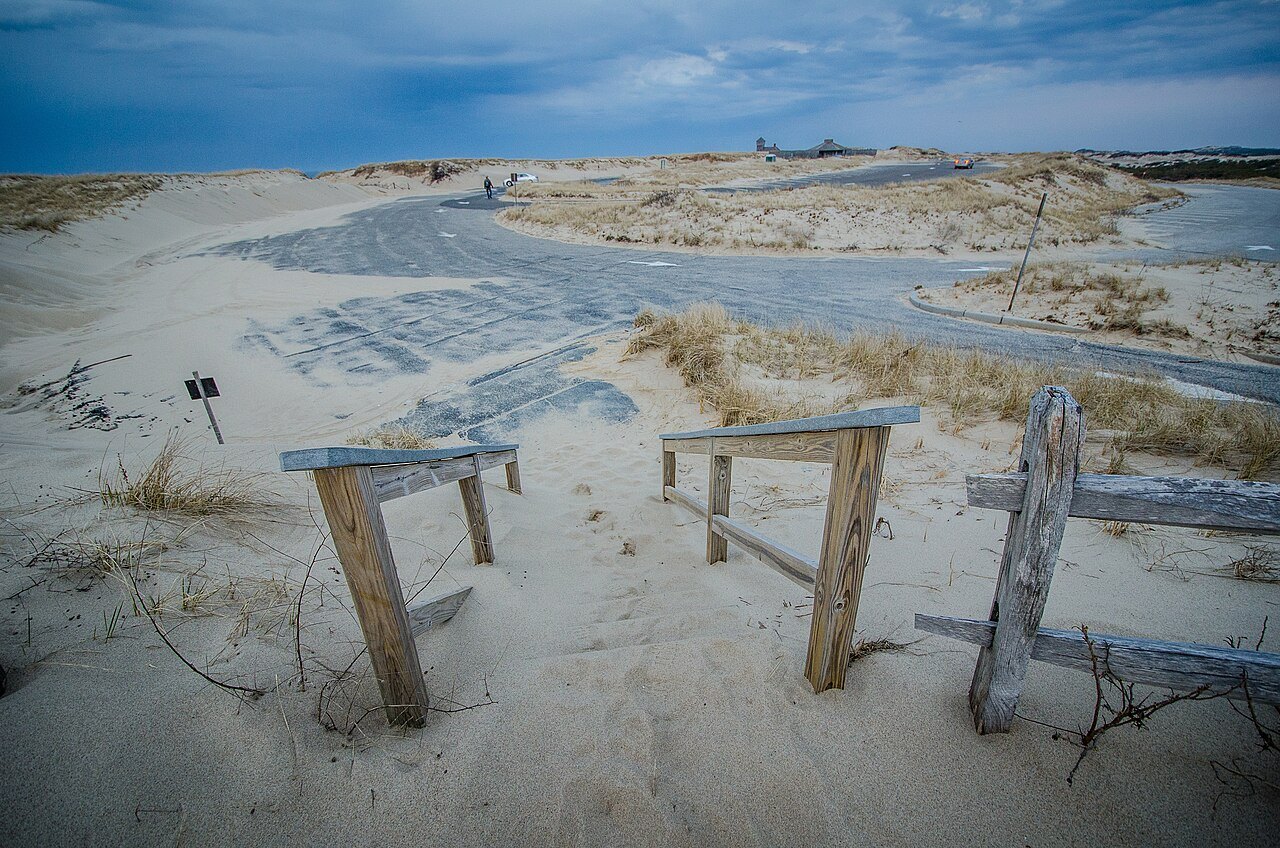
The national seashore's beaches, dunes and lighthouses, Highland Light and Race Point, and an evening on Commercial Street in Provincetown.
Day seven: an island
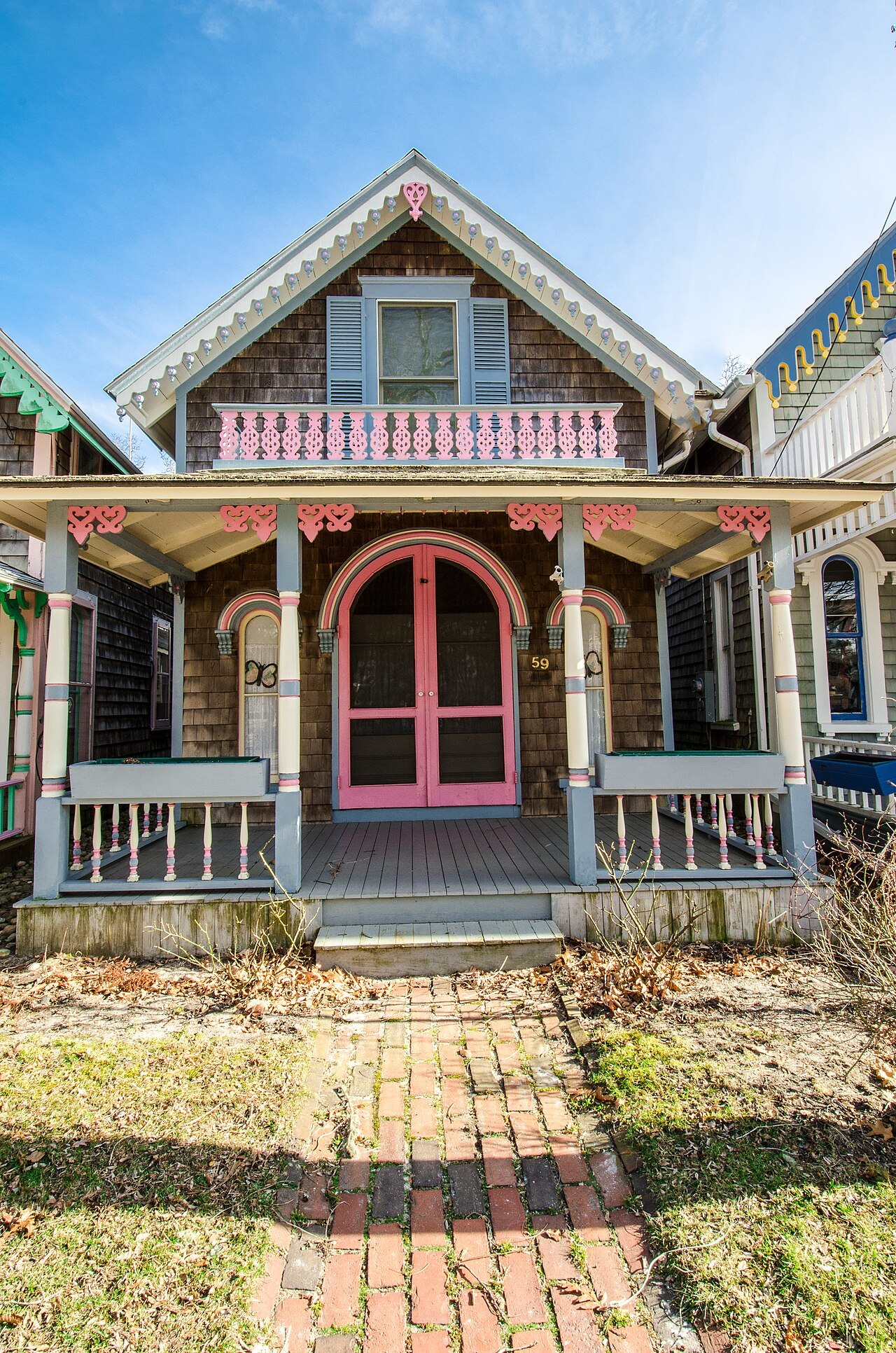
The ferry from Woods Hole to Martha's Vineyard for Edgartown, Oak Bluffs and the Aquinnah cliffs, or from Hyannis to Nantucket for the whaling town and the museum.
In fullII
Itineraries
How these days work
These plans follow the shape of the state. Boston comes first, on foot and by subway, because it needs no car and holds the greatest concentration of sights; then the trip turns outward, north to the harbors, south to the Pilgrims and the Cape, or west across the state. Each day has one main idea and stops that sit near each other, so the time goes on the places rather than the road.
Pick up a car when you leave Boston, not before. Every day beyond the city is a drive, and the scenic drives page covers the roads worth taking slowly. See Where to Stay for the bases that suit each day.
If you have one day
With a single day, walk the Freedom Trail. Its sixteen sites run two and a half miles from Boston Common to the Bunker Hill Monument, and together they tell the story of the Revolution in Boston: the State House, the Granary Burying Ground with the graves of Samuel Adams, John Hancock and Paul Revere, the Old State House and the site of the Boston Massacre, Faneuil Hall, Paul Revere's house and Old North Church. Stop for lunch at Quincy Market, and end in Charlestown aboard USS Constitution, launched in 1797 and the oldest commissioned naval vessel still afloat.
If you would rather be out of the city, take the train to Concord for the North Bridge and Walden Pond instead.
If you have three days
Give all three to Greater Boston. Walk the Freedom Trail on the first day, from the Common to Faneuil Hall, the North End and Charlestown; spend the second on the museums and Cambridge; and on the third take the commuter train or drive out to Lexington and Concord and Walden Pond, or north to Salem by train or the summer ferry.
Three days in Boston show you the Revolution from the first shots to the siege, the city's great museums and the oldest university in the country, without ever needing a car.
If you have five days
Add the coast. After three days in and around Boston, drive south to Plymouth for the Pilgrim story and Plimoth Patuxet, cross the Cape Cod Canal and spend the last two days on Cape Cod: the Old King's Highway along the bay side, the national seashore on the ocean side, and a night in Provincetown. Return to Boston on the faster Route 6 or, in summer, leave the car and take the fast ferry.
If the Cape is not your interest, spend the last two days on the North Shore instead, with a night in Salem and a day round Cape Ann.
If you have a week
Follow the seven days above: three around Boston, one on the North Shore, then Plymouth, the Cape and an island. Choose Martha's Vineyard for its variety of towns and its cliffs, or Nantucket for the preserved whaling town, and stay the night if you can; the ferries are covered on Ferries and Islands. On the way back toward Boston, the whaling city of New Bedford is a short detour from the road off the Cape.
The western week, and more
For a different week, cross the state. After Boston, drive the Turnpike west to Old Sturbridge Village, the recreated New England town of the 1830s, and on to Northampton for the night. The next day, drive the Mohawk Trail over the Hoosac Range to Williamstown, with a detour up Mount Greylock, the highest point in the state.
Spend two more days in the Berkshires: Hancock Shaker Village and its round stone barn near Pittsfield, the Mount, Edith Wharton's house in Lenox, and in summer an evening at Tanglewood or a performance at Jacob's Pillow. Return east on the Turnpike, a drive across the whole state in an afternoon.
Two weeks let you join both halves: the coast and an island first, then west to the valley and the Berkshires, ending with a night back in Boston before the flight. Add a second island, a day on the Boston Harbor Islands, or a slower drive round the Cape's villages. Autumn is the best season for the western week, summer for the coast; spring and early autumn suit both.
Getting between the stops
In Boston walk and use the T; the Freedom Trail is a line on the sidewalk, and the museums are on the Green Line or a short ride from downtown. Lexington, Concord and Salem are reachable by commuter train, and Provincetown and Salem by summer ferry. Everything else, from Plymouth to the Berkshires, is easiest by car. Allow for traffic at the Cape Cod Canal bridges on summer weekends and check the ferry timetables before planning an island day. See Driving and Getting Around.
With children
Children tend to love the living history: Plimoth Patuxet's village with its role players, Old Sturbridge Village, the tall ship USS Constitution and the Swan Boats in the Public Garden. The beaches of the Cape and the whale watch boats from Provincetown's pier suit summer trips, and the ducklings of Make Way for Ducklings stand in bronze in the Public Garden.
Rain, evenings and rest
Keep the museums for bad weather: the Museum of Fine Arts, the Gardner, the Harvard museums in Cambridge, the Peabody Essex Museum in Salem and the whaling museums in New Bedford and Nantucket. Old Sturbridge Village and Hancock Shaker Village have many buildings to go inside, and the Mount's rooms and library are worth a wet afternoon. Plan the Freedom Trail, the seashore and the drives for fair days, since all of them are best seen outside.
On a wet day in Boston, the Boston Public Library in Copley Square and the reading rooms and galleries of Harvard are also good places to wait out a storm.
In the evenings, Boston's North End, Cambridge's Harvard Square, Provincetown's Commercial Street and the Berkshire summer stages are the liveliest places to be, while the islands and the Cape villages grow quiet after dark. Build a rest day into a week, perhaps a slow morning on a beach or an island bicycle ride; the state is small, and nothing is lost by seeing a little less of it more slowly.
Some links on this page are affiliate links. If you book through one we may earn a commission, at no extra cost to you. It does not affect what is recommended here, and no landmark or city page on this site carries one.
For a few days of museums in Boston, or the car for the road trip:
Seen on the wayIII
More photographs
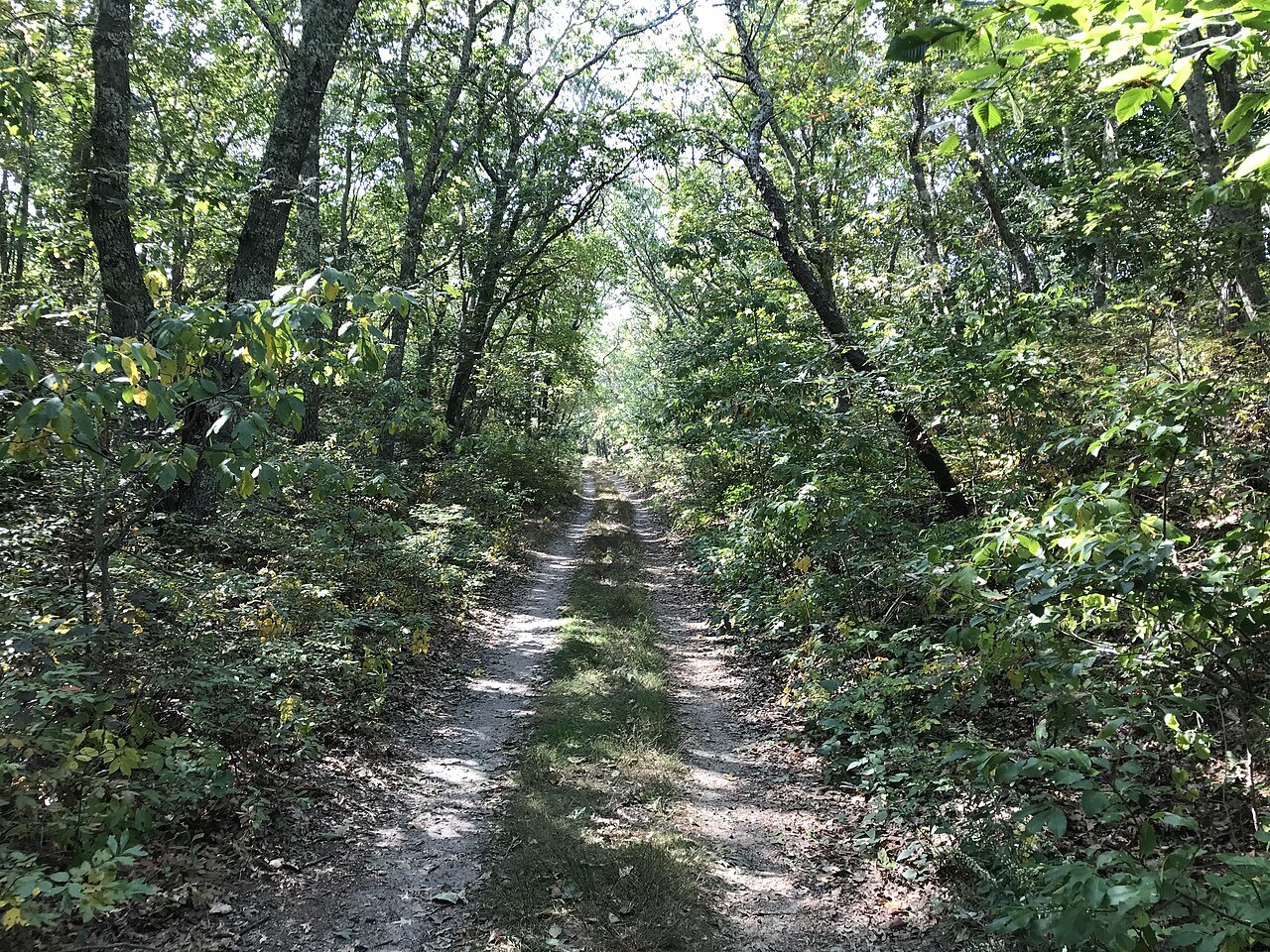
A sandy track through the woods on the Old Colony Nature PathwayJohn Phelan, Wikimedia Commons, CC BY-SA 4.0 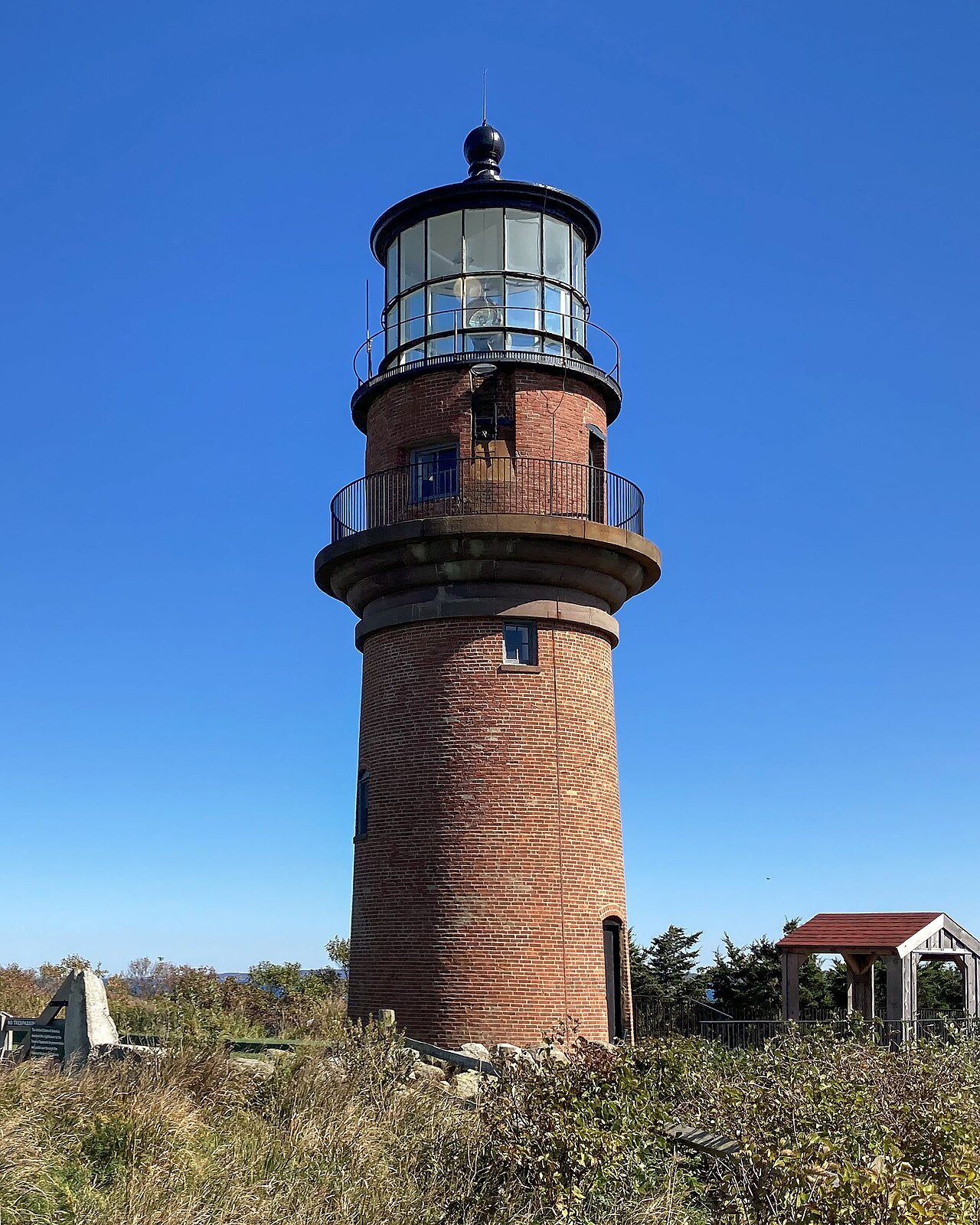
Gay Head Light, the red-brick tower on the headland at AquinnahQuintin Soloviev, Wikimedia Commons, CC BY 4.0 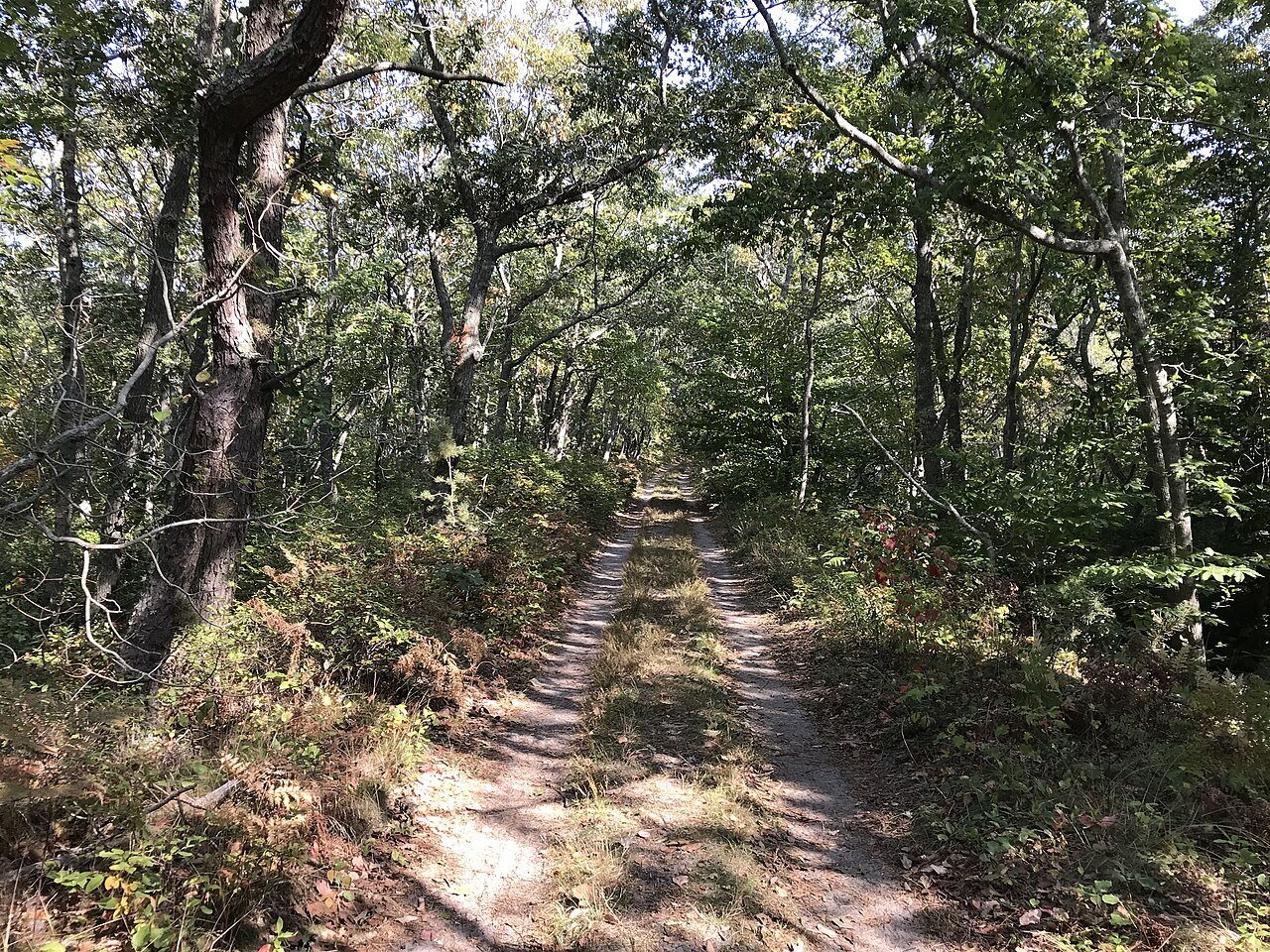
The Old Colony Nature Pathway between low oaksJohn Phelan, Wikimedia Commons, CC BY-SA 4.0